
Ayurvedic recipes are everyday dishes built around warm, freshly cooked food, whole spices, pulses, grains and ghee, following the food ideas of India’s traditional Ayurvedic system. This guide maps the main kinds and links to each method.
It sits inside a wider set of guides on ayurvedic cooking, which covers the principles behind the recipes, and each recipe below has its own page with a full method.
What makes a recipe Ayurvedic
Ayurveda is a traditional system, not a recipe style with a rulebook. The National Center for Complementary and Integrative Health describes it this way: “Ayurvedic medicine is one of the world’s oldest medical systems and remains one of India’s traditional health care systems.” The same page notes that “Ayurvedic treatment combines products (mainly derived from plants, but may also include animal, metal, and mineral), diet, exercise, and lifestyle.” Food is one strand of a larger tradition, and the cooking ideas below are best read as traditional kitchen practice rather than medical advice.
In the kitchen, that tradition shows up as a handful of habits. Meals are usually cooked fresh and eaten warm. Spices are used whole or ground, often warmed in fat at the start of cooking so their aroma opens up. Pulses such as mung beans and lentils appear again and again, usually paired with rice. Ghee, the clarified butter of Indian cooking, is the classic cooking fat, and sesame or coconut oil fills the same role in some regional kitchens. Sweet, sour, salty, bitter, pungent and astringent tastes are meant to appear across a day of eating rather than all at once.
Because the approach is about balance and simplicity, most Ayurvedic recipes are short on ingredients and long on technique: rinse the grain, simmer until soft, finish with a sizzle of spices. That makes them approachable for a weeknight, and it is why this collection leans toward soups, one-pot meals, warm drinks and gently sweetened treats. The scale is also forgiving. A pot of rice and pulses can feed a household for a day, a jar of spice mix can be reused across several dishes, and nothing in the collection calls for specialist equipment beyond a heavy pot, a small pan for tempering and a fine strainer for the teas.
Regional variation is wide. Kitchens in Gujarat, Kerala, Bengal and Punjab each cook dal and rice differently, with their own preferred spices, souring agents and fats. The recipes in this collection pick a clear, simple version of each dish so a new cook has a dependable starting point, and the notes in each method explain which parts are easy to adjust to taste.
The pantry behind everyday Ayurvedic cooking
A small shelf of staples covers almost every recipe in this collection. Whole spices such as cumin seeds, mustard seeds, cardamom, cloves and cinnamon are warmed in ghee or oil. Ground turmeric, coriander and fennel go in later. Fresh ginger is grated or sliced into soups, teas and dals. Basmati or other long-grain rice, split mung beans, whole mung beans and red lentils make up the base of many main dishes.
Pulses deserve a closer look because they carry so many of these dishes. Harvard’s Nutrition Source calls legumes “an inexpensive source of protein, vitamins, complex carbohydrates, and fiber.” It also notes a practical kitchen point: “Soaking dried beans for at least three hours and cooking them may help decrease this side effect,” referring to the gas and bloating that some people get from the fermentable carbohydrates in beans. Soaking whole mung beans before cooking is therefore sensible, while split mung beans and red lentils cook quickly without it. The full source is the Harvard Nutrition Source page on legumes and pulses.
Turmeric is the spice people most associate with this style of cooking. The NCCIH notes that “Historically, turmeric has been used in Chinese, Indian (e.g., Ayurvedic), Islamic, and Thai traditional medicine systems.” Its research summary is cautious, though: “We don’t know enough to definitively conclude if turmeric or curcumin is beneficial for any health purposes.” In the kitchen, turmeric is valued for its color and earthy flavor, and that is the way it is used in these recipes. More detail is on the NCCIH turmeric page.
Ginger has a similar history. The NCCIH writes that “Ginger has been used in folk medicine since ancient times.” As a cooking ingredient it adds a sharp, warming note to teas and soups, which is why it appears in so many of the dishes below. The NCCIH ginger page covers what research has and has not shown.
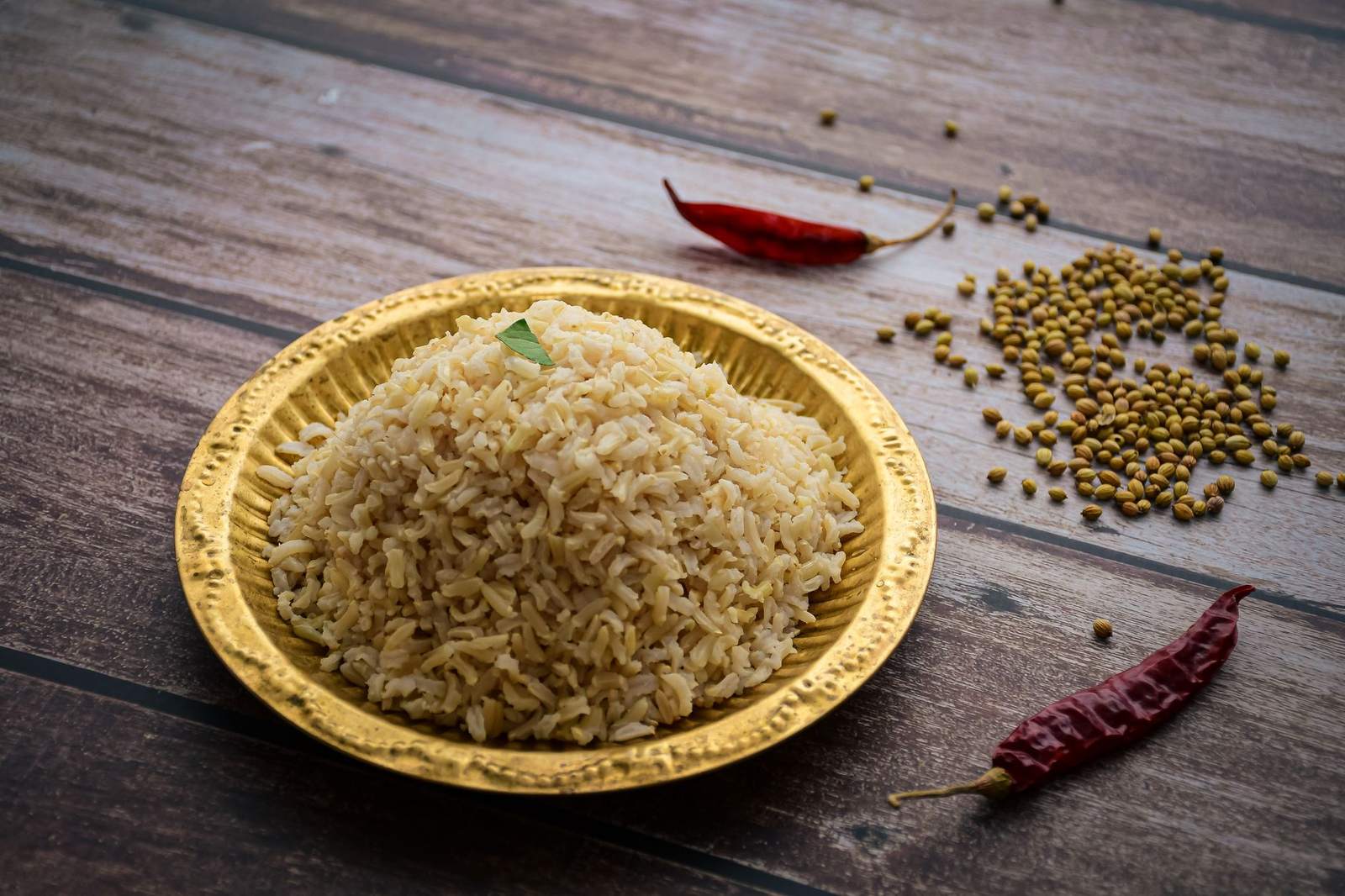
Rice is the usual partner for pulses. Long-grain basmati is the common choice for dals and pilafs because its grains stay separate and fragrant, while shorter, softer rice suits porridges and puddings. Brown and white rice can both be used. Brown rice keeps its bran and takes longer to soften, so it is better suited to long-simmered soups and stews than to quick dishes. Whichever grain is chosen, rinsing it first and measuring the water carefully helps the finished pot cook evenly.
Fats come next. Ghee is made by simmering butter until the water cooks off and the milk solids are strained away, leaving a nutty golden fat that tolerates higher cooking heat than plain butter. It is used in teaspoon-sized touches for tempering and in larger spoonfuls for baking and sweets. Sesame oil and coconut oil are common alternatives in regional kitchens, and any plant oil with a neutral flavor can stand in for readers who avoid dairy. Salt is added modestly, and fresh herbs such as cilantro, mint and curry leaves finish many bowls.
Fresh produce rounds out the shelf. Root vegetables, gourds, leafy greens, carrots and cauliflower all work well in soups and stews, and seasonal fruit is stewed, baked or blended into drinks. Dairy is optional: yogurt, buttermilk and milk appear in some recipes, and coconut milk or nut milk can replace them where the method allows.
Breakfasts, soups and one-pot meals
Savory one-pot dishes are the heart of Ayurvedic home cooking. The best-known is a rice and mung bean stew, and a full kichari recipe walks through rinsing, simmering and finishing with spiced ghee. It is soft, mild and easy to adjust with vegetables.
Next to it sits a thicker pot of lentils. The method for an ayurvedic dal follows the classic pattern: simmer the lentils until they collapse, then pour over a tempering of cumin, ginger and turmeric. Served with rice, it makes a complete plate.
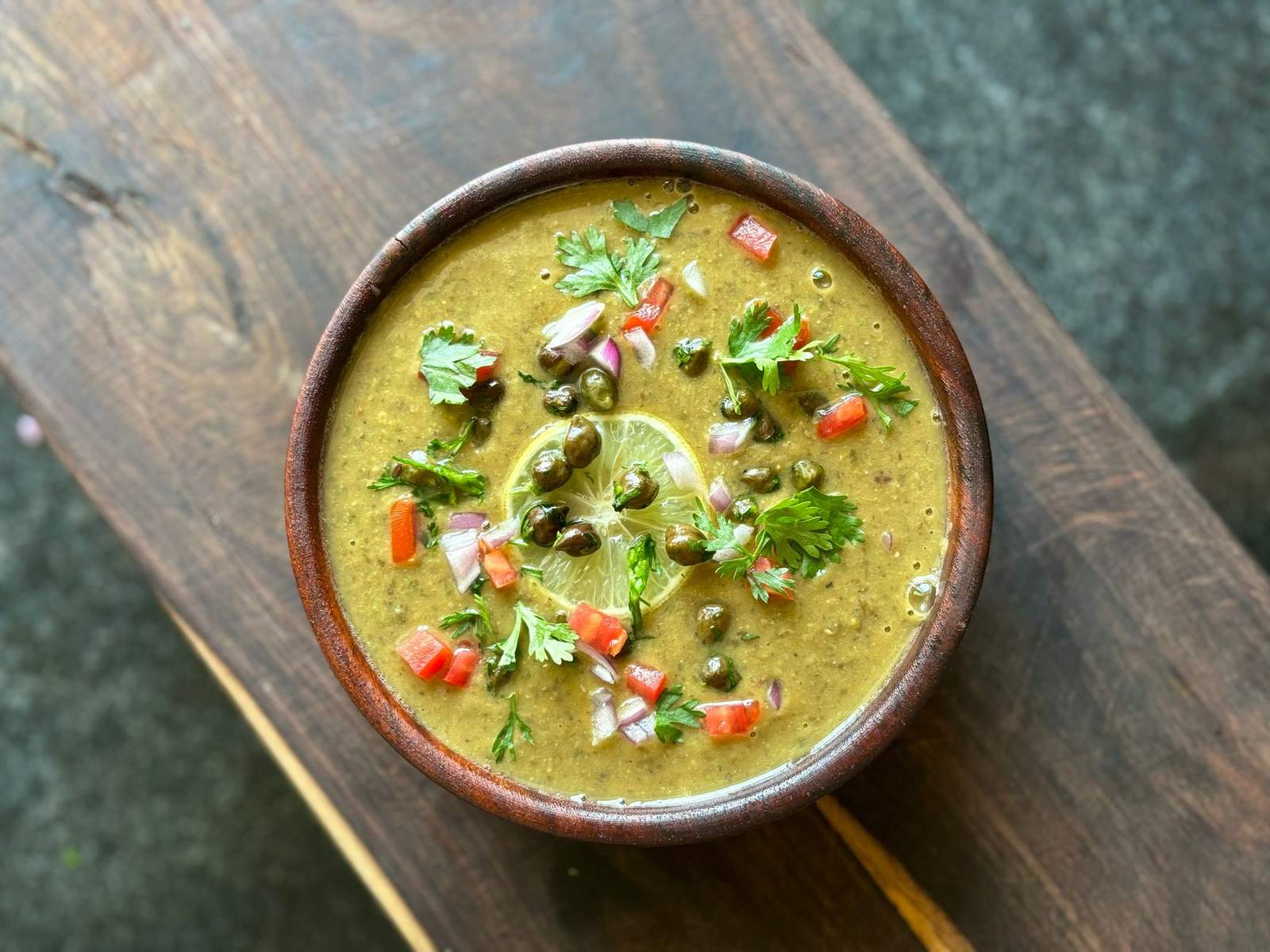
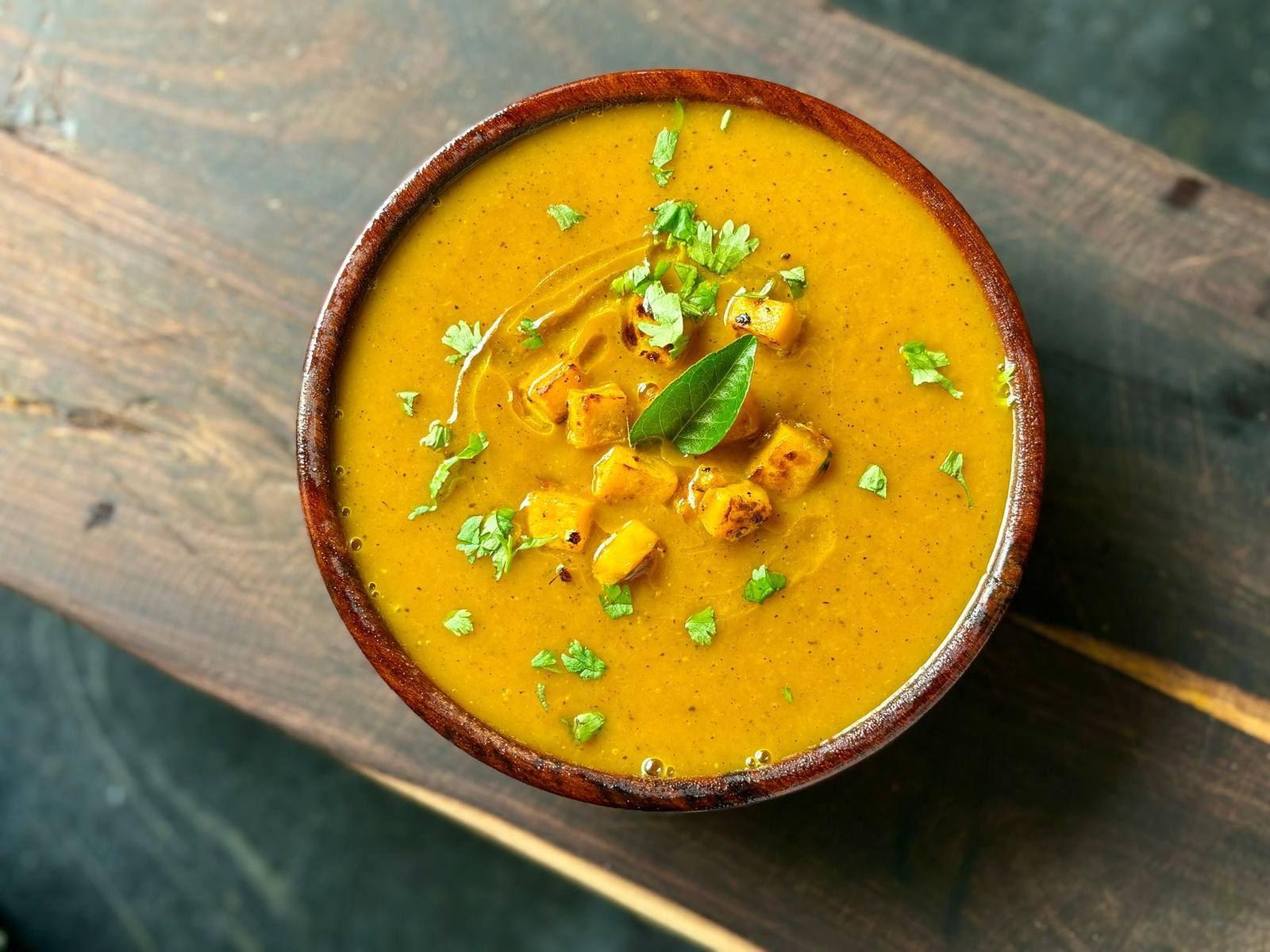
For a lighter bowl, a mung bean soup uses whole beans that are soaked, simmered and seasoned at the end. Vegetable soups follow the same logic. A carrot ginger soup is blended smooth with coconut milk for a gentle, creamy finish, and a summery fennel soup pairs aniseed-sweet fennel with fresh dill for a cooling bowl.
Rice dishes extend the range of the one-pot repertoire, and they show how a very small ingredient list can produce distinct results. A coconut rice recipe brings in curry leaves, mustard seeds and grated coconut for a South Indian accent, and works as a side for any dal or soup.
Morning meals in this tradition are typically warm rather than cold. A simple ayurvedic breakfast of spiced porridge shows the idea: grain cooked slowly in water or milk, then flavored with cinnamon, cardamom or ginger. Fruit is cooked rather than eaten raw, as in stewed apples simmered with cinnamon and cloves.
Serving is simple. Savory bowls are usually eaten as the main part of lunch or dinner, with a side of yogurt, a pickle or a fresh chopped salad. Soups can open a meal or stand alone. Because the dishes are soft and mildly spiced, they are well suited to a quiet evening meal, and leftovers reheat easily, which makes them useful for packed lunches as well.
Warm drinks, teas and mealtime beverages
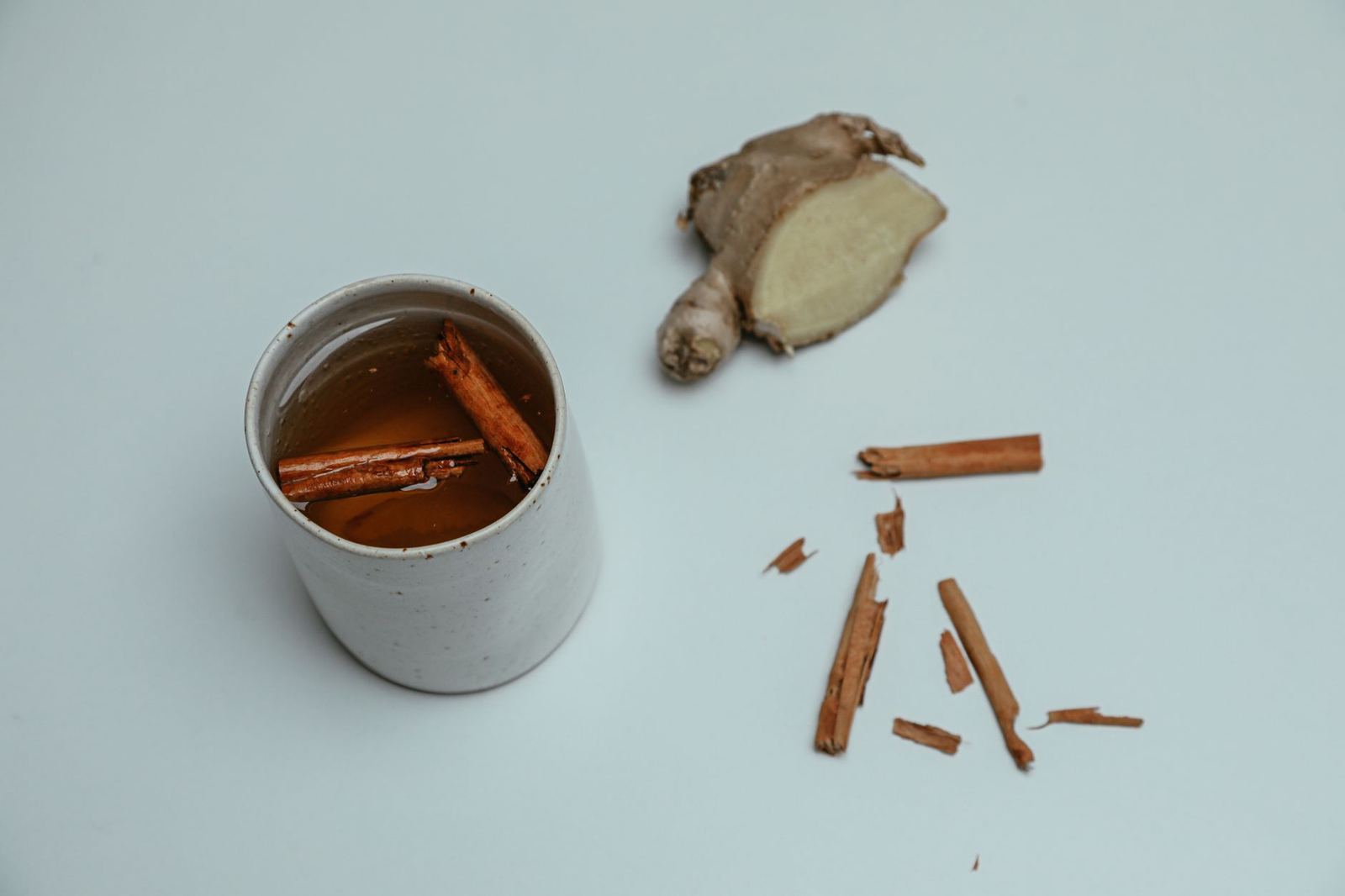
Drinks are a quiet but steady part of Ayurvedic cooking, served between meals or alongside them rather than as an afterthought. Most are made by simmering whole spices in water, sometimes with milk, then straining. The simplest is a pot of fresh ginger tea, made from sliced root simmered until the water turns golden and sharp. Another is a cup of homemade yogi tea, a generic blend of whole spices such as cinnamon, cardamom, cloves and black pepper simmered together and not tied to any brand.
Milk-based drinks are served warm and often in the evening. The turmeric milk recipe explains how turmeric, black pepper and a little sweetener are whisked into hot milk or a plant milk. Black pepper is sometimes added, and the NCCIH notes that “Combining curcumin with piperine is one way to improve the bioavailability of curcumin.” That statement is about concentrated curcumin products, and a pinch of pepper in a cup of milk is a flavor choice more than a dose.
For a cold option, a turmeric lemonade combines lemon, ginger and a little heat in a pitcher. And for a mealtime drink, spiced buttermilk is thinned yogurt flavored with roasted cumin and fresh herbs, served alongside lunch in many Indian homes.
One practical caution applies to all spice drinks made at home: ginger and turmeric are food ingredients here, and the NCCIH warns that ginger “can have side effects such as abdominal discomfort, heartburn, diarrhea, and mouth and throat irritation when taken orally.” Stick to ordinary cooking amounts and stop if a drink disagrees with you.
Sweets and snacks made with whole ingredients
Sweet dishes in the tradition are meant to be modest, simple and satisfying, and they often use the same spices as the savory food, so cardamom, cinnamon and ginger appear in desserts as naturally as in soups. Ayurvedic sweets tend to use dates, jaggery, nuts, sesame and ghee rather than refined sugar, and they are traditionally eaten in small portions. A tray of sesame cookies sweetened with jaggery and enriched with ghee is a good example. No-bake treats such as chocolate almond bars bind chopped dates and nuts with cocoa and cardamom, and date energy balls take the same idea into a pocket-sized snack.
For dessert, rice pudding with cardamom and a thread of saffron is a slow-simmered classic, soft and fragrant, that uses little more than rice, milk and spice.
Sweet dishes also work as small endings to a meal rather than the center of it. A single cookie, a small square of a bar or a spoonful of pudding is the traditional scale, and pairing a sweet with a warm tea rounds out the meal without feeling heavy. The recipes are designed to be easy to portion and store, so a batch can last several days in an airtight container or the refrigerator, depending on the dish.
Core techniques that carry every recipe
A few repeatable techniques explain most of the flavor in this style of cooking. Learning them once makes every dish in the collection easier, because the recipes mostly recombine the same moves with different pulses, vegetables and spices.
The first is rinsing. Rice and split pulses are washed in several changes of cool water until the water runs mostly clear. This removes surface starch and dust, keeps the finished pot from turning gluey and gives a cleaner taste. Whole beans are rinsed and then soaked, which shortens cooking and, as the Harvard guidance above indicates, may make them easier to digest for people who find beans gassy.
The second is tempering, known in Hindi as tadka or chaunk. Ghee or oil is heated in a small pan until it shimmers, whole seeds such as cumin or mustard are added until they crackle and smell nutty, and sliced ginger, curry leaves or ground spices follow for a few seconds. The whole sizzling mixture is then poured over a finished dal or soup. The timing is quick, so everything should be measured out and within reach before the fat goes on the heat. Burnt spices turn bitter, so lower the heat or lift the pan off the burner if the seeds darken too fast.
The third is gentle simmering. Pulses and grains are brought to a boil, then reduced to a low bubble with the lid partly on. Foam that rises on the surface of lentils can be skimmed with a spoon. Cooking continues until the grains are soft enough to crush between two fingers, and then salt goes in. Lemon juice and other sour touches are saved for the end so their brightness stays fresh.
The fourth is finishing. A squeeze of lemon or lime, a handful of chopped cilantro, a spoonful of ghee or a pinch of ground spice added off the heat brightens the pot and rounds out the six tastes. Texture is part of the finish too: soups can be left rustic or blended smooth, and rice dishes can be cooked looser like a porridge or drier like a pilaf depending on the water added.
Finally, there is the question of leftovers. Cooked rice and pulses should be cooled quickly, covered and refrigerated rather than left on the counter, then reheated until steaming hot all the way through. Local food-safety agencies publish exact times and temperatures, and those should be followed over any rule of thumb.
Using these recipes safely and sensibly
Ayurvedic cooking is a food tradition, and the recipes here are cooking guides, not treatments. The NCCIH states that “If you have a health condition, talk with your conventional health care provider before using Ayurvedic products.” It adds that “If you’re pregnant or nursing, be sure to consult your (or your child’s) health care provider as some Ayurvedic products may contain products that could be harmful.” Anyone who takes medication, is pregnant or has a health condition should speak with a clinician before changing their diet or adding herbs and supplements.
The NCCIH also flags a safety issue that applies to products, not kitchen spices: “Some Ayurvedic preparations may contain lead, mercury, or arsenic in amounts that can be toxic.” Ordinary cooking herbs and spices from a trusted grocer are a different matter, but anyone shopping for Ayurvedic supplements or preparations should read the NCCIH page on Ayurvedic medicine first.
Planning matters as much as any single recipe. A practical pattern is to cook a pot of rice and pulses or a soup once, vary it across two or three meals with different toppings and a fresh tempering, and keep a drink or a sweet on the side. Because many of these dishes share their ingredients, one shopping trip covers a week of meals without much waste, and a few jars of whole spices go a long way.
This site is an independent informational resource. It is not affiliated with, endorsed by or speaking for any cookbook author, publisher, Ayurvedic school, clinic, practitioner or product brand, and every recipe here is an original method write-up.
Readers who want to move between cuisines can continue with the guide to vegetarian cooking, which covers how to build balanced meatless meals around the same pulses and grains.
Frequently asked questions
Are Ayurvedic recipes vegetarian?
Most traditional everyday dishes in this collection are vegetarian, built on grains, pulses, vegetables, dairy and spices. Ghee and milk appear often, and plant-based swaps are possible for several recipes.
Do I need special ingredients?
Mostly no. Rice, lentils, mung beans, ginger and a few whole spices cover the majority of dishes, and an Indian or international grocery usually stocks the rest.
Can these recipes treat a health condition?
No. They are cooking methods from a traditional food culture. For any health condition, talk with a clinician rather than relying on diet alone.
Which recipe should a beginner try first?
A simple pot of rice and mung beans or a basic lentil dal is the usual starting point, because both need few ingredients and forgive small mistakes.
What is the easiest way to start an Ayurvedic kitchen?
Begin with a small set of whole spices, a bag of split mung beans or red lentils, rice and a jar of ghee or neutral oil. Those few items make soups, dals and teas, and more can be added as the repertoire grows.