
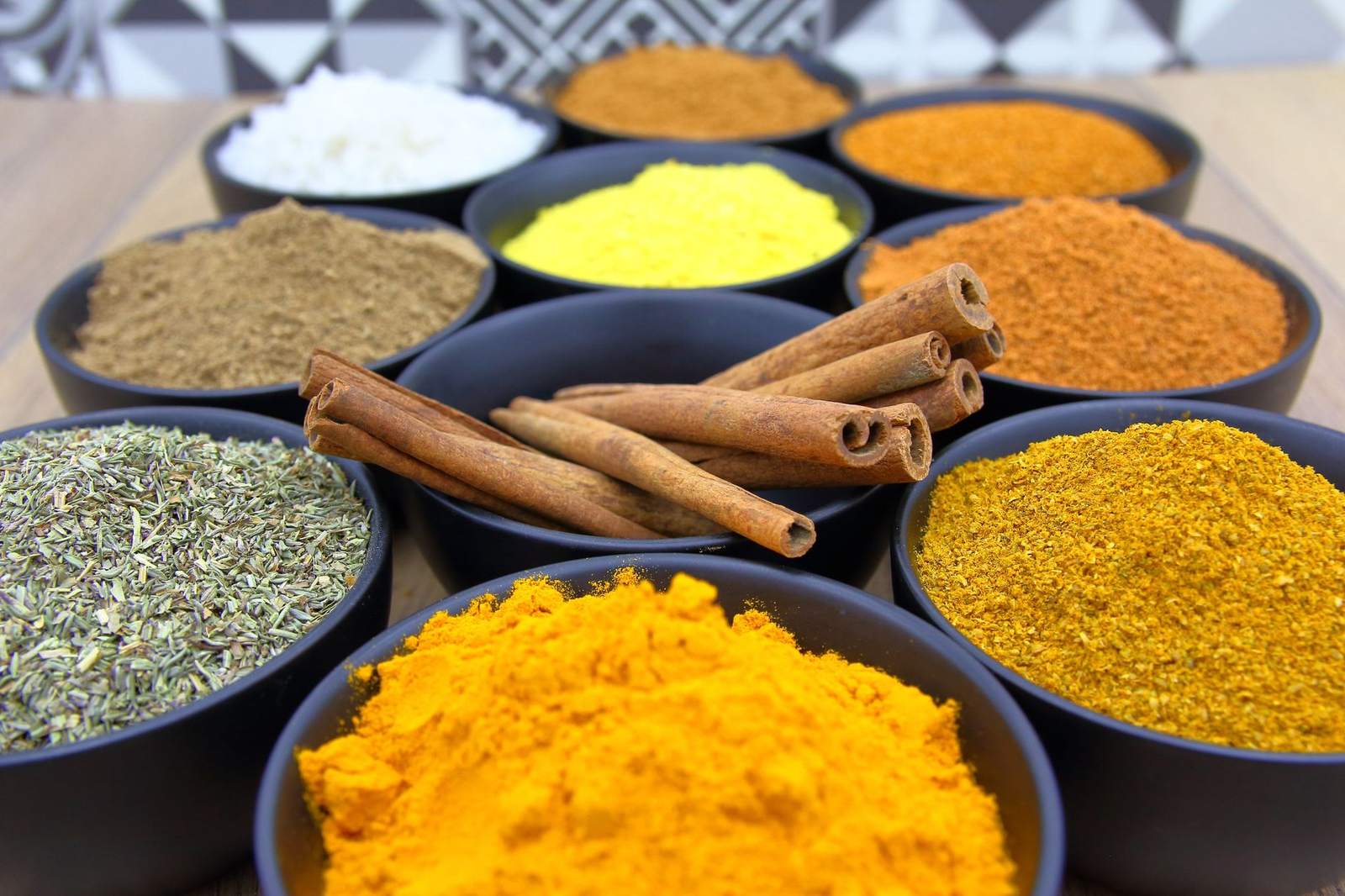
Ayurvedic cooking is the kitchen side of Ayurveda, a traditional Indian system that links food to constitution, season and digestion. For beginners it means simple, freshly cooked, warmly spiced meals built around grains, legumes, vegetables and a little fat.
This guide is the hub for the site: it explains the core ideas, the pantry, the daily rhythm and the first dishes to try, and it points to detailed pages on each topic. Nothing here is medical advice, and the system is described as the tradition presents it.
What Ayurvedic cooking is, and what it is not
The U.S. National Center for Complementary and Integrative Health describes Ayurveda as one of the world’s oldest medical systems and one that remains among India’s traditional health care systems. It adds that Ayurvedic treatment combines products, mainly derived from plants, with diet, exercise and lifestyle. Cooking is the part of that picture that most people can try at home without special products.
In practice, Ayurvedic cooking is a set of habits for choosing and preparing food. Meals are usually freshly made and served warm. Spices are used with purpose, not for heat alone. Grains and legumes are central, vegetables change with the season, and the fat used in cooking is chosen deliberately. The aim in the tradition is balance, which is a theme that returns throughout this guide.
It is just as important to say what the practice is not. It is not a cure, a diagnosis or a replacement for medical care. NCCIH advises people not to use Ayurvedic medicine to postpone seeing a conventional health care provider about a medical problem. Cooking with cumin, ginger and lentils is a food habit, and it can be enjoyed on those terms.
The site is an independent informational resource. It is not affiliated with or endorsed by any cookbook author, publisher, school, clinic or product brand, and every recipe on it is an original method write-up.
The core ideas: elements, doshas and balance
A review of the history and principles of Ayurveda explains that the tradition holds the universe to be composed of five elements: air, water, space, earth and fire. Those elements are believed to form three basic humors of the body in varying combinations. The humors are vata, pitta and kapha, and the trio is called the tridosha.
The page on the three doshas describes each one in detail. The short version is that vata is associated with movement and dryness, pitta with heat and transformation, and kapha with structure and lubrication. The review states that a balance between the three should be maintained and that an imbalance is believed to cause illness.
For a cook, the doshas become a way of describing food and cooking style. Warm, moist, well-cooked food is considered steadying. Cooling, mildly seasoned food is considered gentler when heat is the concern. Lighter, sharper, less oily food is considered a counterweight to heaviness. Each of these ideas has its own practical page: the vata diet page covers warm, grounding foods, the pitta diet page covers cooling foods, and the kapha diet page covers light, spiced foods.
Plenty of home cooks use the doshas only as a loose vocabulary and do not adopt the entire system. That is a reasonable way to start: notice how a meal feels, adjust the seasoning and temperature, and learn which patterns suit the household.
Flavor, spices and fats
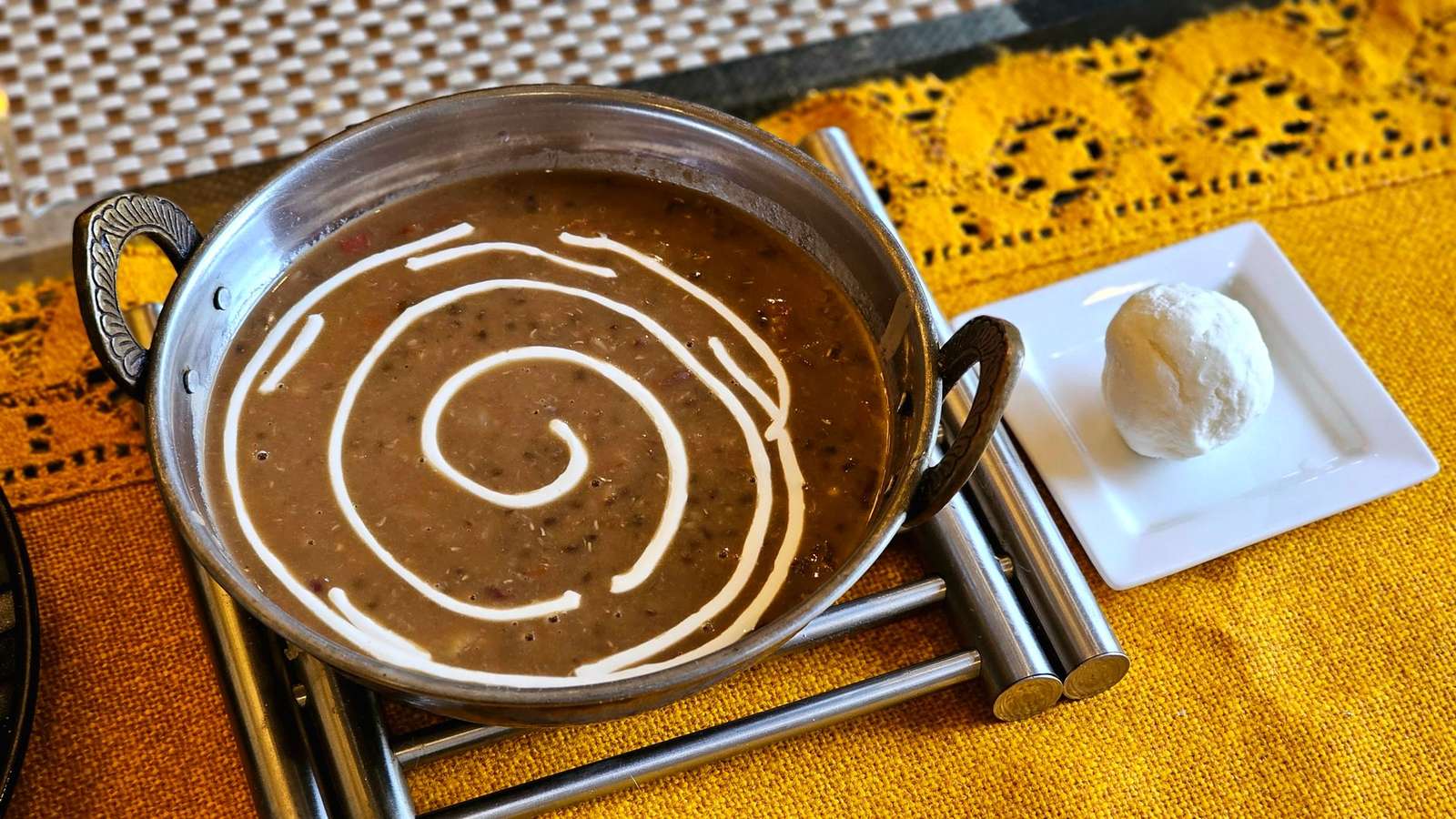
Flavor is the most direct tool in the Ayurvedic kitchen. The tradition names six tastes: sweet, sour, salty, pungent, bitter and astringent. An Ayurvedic teaching handout calls them an ideal balanced meal according to Ayurveda, and the page on the six tastes ayurveda uses for meal planning lists example foods for each. A beginner can take a practical shortcut from it: if a plate feels flat, look for a missing sour, bitter or pungent note.
Spices carry much of the pungent and bitter taste. Cumin, coriander, turmeric, ginger, fennel, black pepper and cardamom are the usual workhorses, often warmed in fat at the start of a dish. The guide to ayurvedic spices covers the core set and how each is used. Turmeric deserves its own caveat: NCCIH notes that it has been used in Ayurvedic and other traditional medicine systems, but also that not enough is known to conclude whether turmeric or curcumin is beneficial for any health purpose. The page on turmeric ayurveda kitchens use goes through the research in more detail.
Fat is the second tool. Clarified butter is the signature fat of the tradition, and the guide to ghee in ayurveda explains what it is and how it is used. Plant oils such as sesame, coconut and mustard are equally common in regional cooking, and the comparison of cooking oils ayurveda households choose from covers their roles.
Digestion, food combining and eating habits
Digestion has a special place in the tradition. The central image is agni, the digestive fire, which is thought to be strong or weak depending on how a person eats. The page on agni ayurveda writes about explains the concept and the cooking advice that follows from it, such as favoring warm meals and not eating when not hungry.
Food combining is a related set of rules. The tradition lists pairings it advises against because they are believed to be hard to digest. These are traditional teachings and not findings of nutrition science, but they show how seriously the system treats the interaction between ingredients. The detail is in the guide to ayurvedic food combining.
Habits at the table matter as much as ingredients. Traditional advice favors sitting down to eat, avoiding distractions, eating at a measured pace and leaving some room in the stomach. These ideas are collected in the page on ayurvedic eating habits, which covers portions, timing and attention at meals. Most of them are familiar from modern mindful-eating advice and can be adopted without taking on any other part of the system.
Seasons and the daily routine
Ayurveda also fits cooking to the calendar. The seasonal approach, known as ritucharya, shifts ingredients and seasoning through the year: heavier, warming food in cold weather and lighter, cooling food in heat. The page on ayurvedic seasonal eating sets out the calendar and gives ingredient ideas for each season.
The daily routine is the other rhythm. Traditional teaching, as commonly presented, favors a substantial meal around midday and a lighter meal in the evening. The routine of waking, eating and resting at regular times is the subject of the guide to dinacharya. For most households, the simplest takeaway is a regular schedule: meals at similar times, with the biggest meal when the day is most active.
Seasonal produce is also practical. Buying what is in season tends to make cooking cheaper and fresher, and it pushes a cook to learn new vegetables across the year. That fits the tradition’s preference for fresh food over leftovers and packaged products.
Stocking the pantry
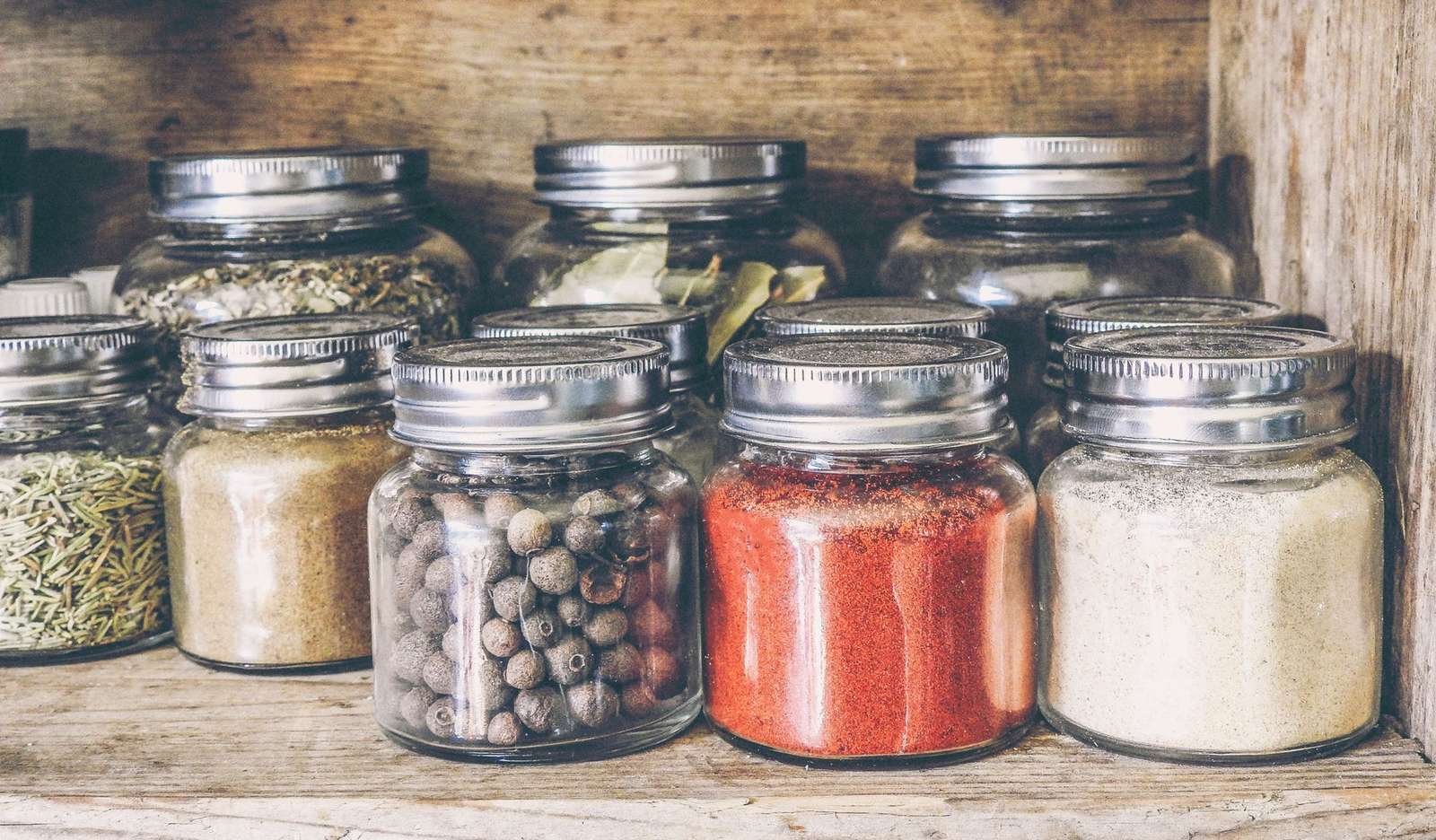
An Ayurvedic pantry is a short list of staples. Whole grains such as rice, wheat and millets give the base. Split and whole legumes, especially mung beans and lentils, supply protein and are central to one-pot dishes. A handful of whole and ground spices, a fat or two, salt, fresh ginger and some lemons round it out. The detailed shopping list is in the guide to the ayurvedic pantry.
Fresh ingredients make the difference. Ginger, fresh herbs such as coriander and mint, leafy greens and seasonal vegetables are bought as needed and used quickly. Dried spices keep better in sealed containers away from light and heat, and buying small amounts means they are replaced before they go stale.
Beginners can start with a very small set and expand it as recipes call for more. A pot of rice and lentils with cumin, turmeric, ginger and salt is already an authentic starting point. The same logic applies to a simple ccf tea made from three seeds steeped in hot water, which needs nothing more than the pantry staples.
Cooking methods and a beginner’s first dishes
The methods are ordinary ones. Grains and legumes are simmered until soft. Vegetables are steamed, sautéed or simmered into soups and stews. Spices are warmed in fat, a step often called tempering, to release flavor before the other ingredients go in. Food is generally cooked from fresh, since the tradition places weight on freshness.
For a first week, a few dishes cover most of the ground. A pot of rice and mung beans, cooked until creamy, is the classic one-pot meal. A lentil soup with ginger and cumin makes a simple dinner. Stewed fruit with warm spices works as a gentle breakfast or dessert. A warm drink made from a few seeds or from fresh ginger fits between meals.
When these feel comfortable, the full set of original recipes lives in the hub for ayurvedic recipes, which groups breakfasts, soups, drinks and sweets. The companion hub for vegetarian cooking covers the wider meatless kitchen, since traditional Ayurvedic meals are largely plant-based.
A sample day of Ayurvedic-style meals
A day of eating in this style is easier to picture than to describe. Breakfast is warm and light: a spiced porridge of oats or another grain, or stewed fruit with cinnamon and cloves, with a cup of ginger tea. The aim is to start gently and wake the appetite without a heavy load.
Lunch is the main meal. A typical plate holds rice or flatbread, a lentil or bean dish, a seasonal vegetable cooked with spices, a spoonful of chutney or pickle for sour and pungent notes, and a small portion of yogurt or buttermilk if dairy is part of the household’s diet. This single plate already touches most of the tastes described earlier, which is the reason it works as a template.
Dinner is lighter and earlier. A bowl of soup, a simple rice and mung bean dish, or lightly cooked vegetables over grains is typical. Many people finish the evening with a cup of warm tea made from a few seeds or herbs rather than a heavy dessert.
None of this requires a rigid timetable. The pattern is a guide: warm food, regular meals, the largest meal when activity is highest, and quiet, unhurried eating. Households adjust the pattern to work schedules, children, climate and dietary needs, and that flexibility is part of why the approach lasts.
Techniques that make the dishes work
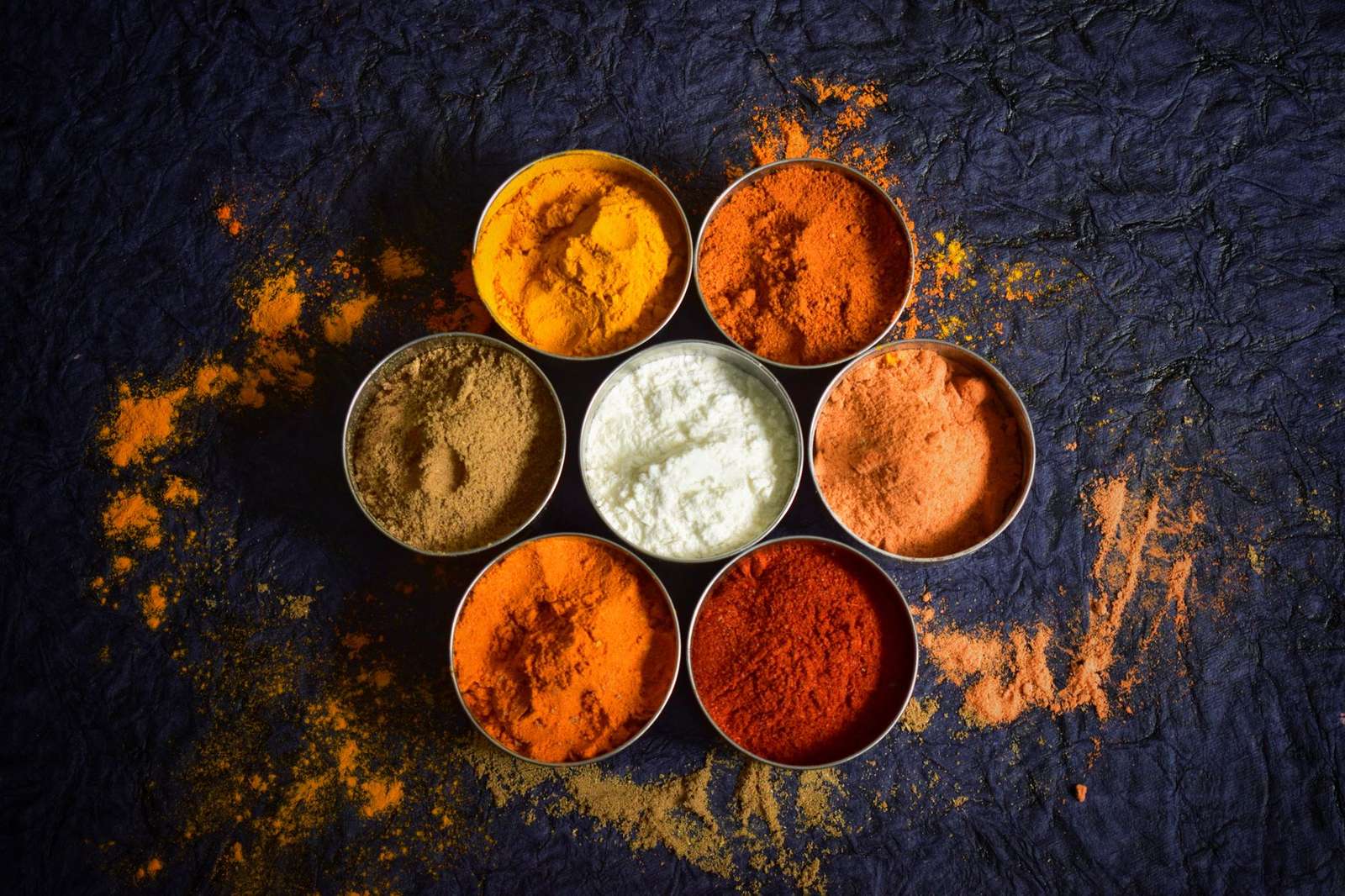
A few techniques recur across almost every recipe. Tempering, the quick frying of whole spices in hot fat, is the most important. The fat is heated until it is hot enough for a seed to sizzle, the spices go in briefly to release aroma, and the mixture is poured over a finished pot or used as the start of a new one. It adds layers of flavor late in the process and costs only a minute of attention.
Soaking and rinsing are the second habit. Dried beans and some lentils cook more evenly and gently when soaked, and rice is rinsed so the grains stay separate. Skimming the foam from the surface of a simmering legume pot is also a common step. These are cooking practices from the kitchen, and they make dishes softer and easier on the stomach for many people.
Gentle heat is the third. Most Ayurvedic dishes are simmered, steamed or sautéed rather than deep-fried or charred, and the pot is often covered so that moisture stays in. The result is soft, moist food that is comforting and easy to eat.
Fitting the approach into a modern kitchen
Most people today cook around jobs, school runs and limited time, so the practical question is how to borrow the ideas without rebuilding the kitchen. Batch cooking helps: a large pot of lentils or rice and beans can be made once and used across several meals, with the tempering and fresh herbs added each time so the flavor stays bright.
Substitutions are normal. Ingredients that are hard to find can usually be replaced with a close relative, such as another leafy green for a regional one or another cooking oil for the one a recipe names. Dietary needs such as lactose avoidance, nut allergy or gluten sensitivity can be handled with plant oils, seeds and rice or millet in place of the usual dairy, nuts or wheat.
Leftovers deserve care. The tradition prefers fresh food, and from a food-safety standpoint rice, legumes and soups should be cooled promptly, stored in the refrigerator and reheated until steaming hot before serving. When in doubt about how long a dish has been kept, it is better to throw it away.
Common beginner mistakes
The most frequent problem is overspicing. A recipe that calls for several spices is easier to get right when each is added in a small amount and tasted before more goes in. Another is using stale ground spices; a jar that has lost its aroma contributes little, and replacing it often improves a dish more than any change of method.
A third is treating the tradition as a list of prohibitions. The point of the framework is to give a cook a way of thinking about food, not to ban ingredients. People who approach it with curiosity usually end up cooking more varied meals than before.
The last is mixing up cooking with medicine. Adding turmeric to lentils is a flavor choice. Taking concentrated herbal products in the belief that they treat a condition is a different matter altogether, and it carries the safety questions covered at the end of this guide.
Safety, evidence and when to ask a clinician
Evidence for Ayurvedic approaches is limited. NCCIH reports that few well-designed clinical trials and systematic research reviews suggest that Ayurvedic approaches are effective. It also states that some Ayurvedic preparations may contain lead, mercury or arsenic in amounts that can be toxic. That warning concerns herbal and mineral products, not the spices and staples in a normal kitchen, but it is a strong reason to be careful with any supplement.
The full picture of the evidence and the safety questions to ask is in the page on ayurveda research. It is worth reading before buying any herbal product.
People with a health condition, who are pregnant or nursing, or who take medication should talk with a clinician before changing their diet or using herbs and supplements. NCCIH makes the same point: if you have a health condition, talk with your conventional health care provider before using Ayurvedic products. Food-level changes like adding spices to soup are usually minor, but the advice is a sensible default.
Frequently asked questions
Is Ayurvedic cooking the same as Indian cooking?
No. Indian cuisine is vast and regional, while Ayurvedic cooking is a set of principles that can be applied to many cuisines, with an emphasis on fresh food, spices and balance.
Do I need to know my dosha to start?
No. Beginners can start with warm, freshly cooked meals and a small set of spices, and treat the doshas as a loose vocabulary until they decide how far to go.
Is Ayurvedic cooking vegetarian?
Traditional Ayurvedic meals are largely plant-based, built around grains, legumes, vegetables and dairy, but the principles of freshness and balance can be applied to any diet.
Can Ayurvedic food replace medical treatment?
No. It is a traditional approach to eating, and anyone with a health condition should rely on a clinician for medical care and ask before changing their diet.
What is the easiest first recipe?
A pot of rice and split mung beans with ginger, cumin and turmeric, cooked until soft, is the usual starting dish and uses only pantry staples.