
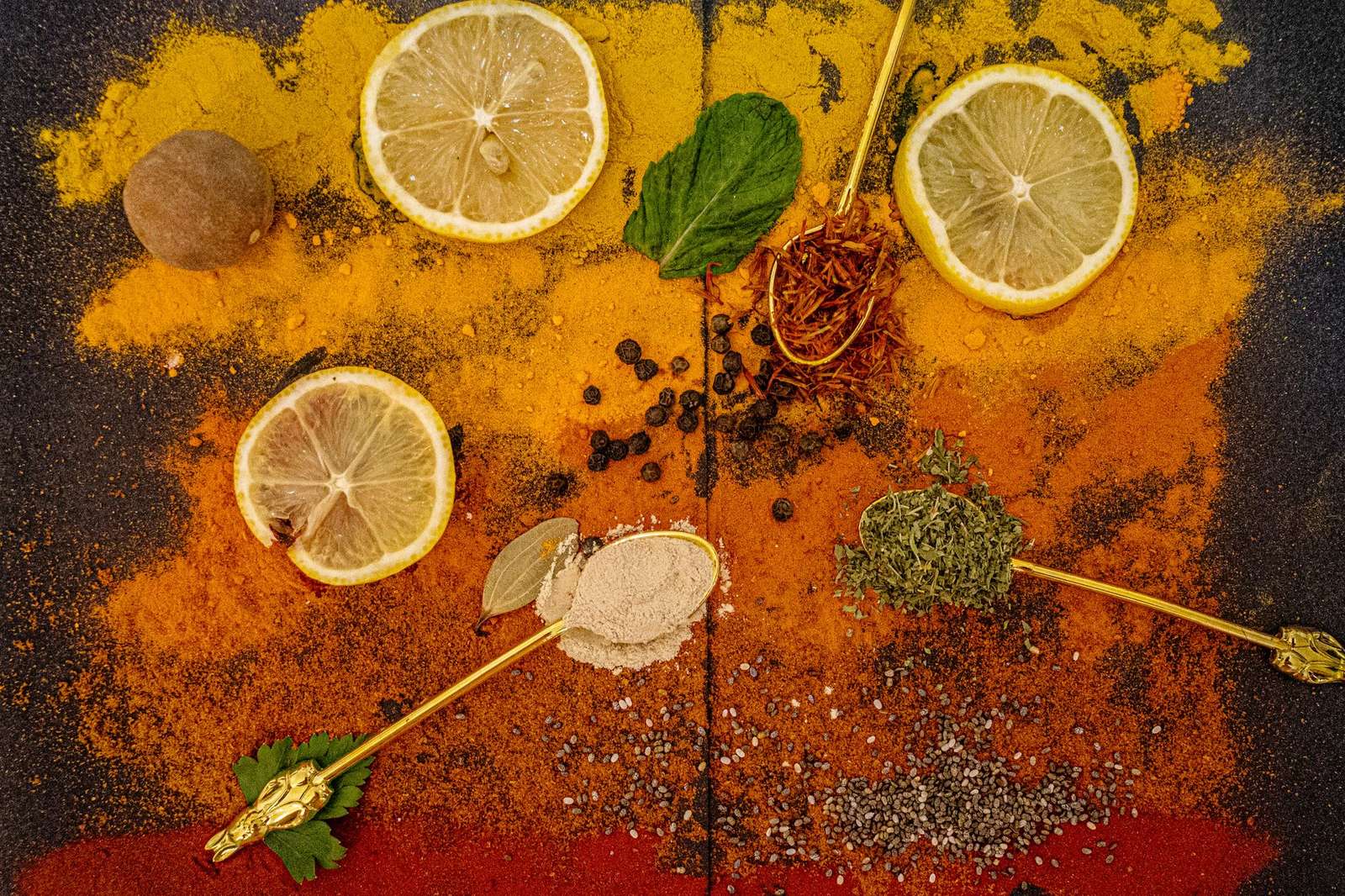
The six tastes ayurveda names are sweet, sour, salty, pungent, bitter and astringent. This framework treats flavor as a guide to building a balanced meal, and it is one of the simplest Ayurvedic ideas to apply at the stove.
The tastes sit alongside constitution and season in the wider practice of ayurvedic cooking. This page explains each one, lists typical ingredients, and shows how a cook might spread them across a plate.
What rasa means in Ayurvedic tradition
In Sanskrit the word for taste is rasa. One teaching handout from an Ayurvedic professional association defines it as knowledge perceived through the gustatory sensation located at the tongue. The same handout adds that taste is one of the factors that determines the pharmacological behavior of a substance, which is why taste is treated as more than a matter of enjoyment.
The handout also says the six tastes in Ayurveda are known as shad rasatmak ahar, an ideal balanced meal according to Ayurveda. In plain terms, the tradition’s goal is to have all six flavors appear in the day’s eating, not necessarily in equal measure and not necessarily in every dish.
It further states that each taste has an effect on the doshas and its own qualities, called gunas, and that tastes are used according to a person’s constitution. The link between flavor and constitution is why the topic pairs naturally with the guide to the three doshas.
The six tastes and the foods that represent them
The Sanskrit names are madhura (sweet), amla (sour), lavana (salty), katu (pungent), tikta (bitter) and kashaya (astringent). The table lists the examples given for each in the same Ayurvedic teaching handout, along with a few of the qualities it attributes to the taste.
| Taste | Example foods | Qualities noted in the handout |
|---|---|---|
| Sweet (madhura) | Wheat, rice, dairy, cereals, dates, pumpkins, maple syrup, licorice root | Nourishing, soothing, calming |
| Sour (amla) | Citrus fruits, lemon, vinegar, pickles, fermented food, wine | Improves appetite and salivation |
| Salty (lavana) | Table salt, soy sauce, seaweed | Grounding, hydrating, adds taste to food |
| Pungent (katu) | Onion, peppers, ginger, garlic, chilies, black pepper | Warming |
| Bitter (tikta) | Green vegetables, turmeric, green tea, neem | Light, easy to digest |
| Astringent (kashaya) | Lentils, beans, broccoli, tea, sprouts, unripe bananas | Cool and dry; excess leads to gas and bloating |
The examples and qualities come from the Principles of Taste handout published on an Ayurvedic professional association site.
Sweet, sour and salty in the kitchen
Sweet in Ayurveda is broader than sugar. The handout’s list is dominated by staples such as wheat, rice and dairy, which explains why grains and milk form the base of so many traditional meals. A bowl of cooked rice or a wheat flatbread supplies the sweet taste even when nothing on the plate tastes sugary.
Sour foods in the handout include citrus, vinegar, pickles and fermented products. In a modern kitchen the sour taste is the easiest to add last: a squeeze of lemon over cooked lentils, a spoonful of pickle on the side, or a yogurt-based sauce. Because sourness is sharp, it works best as an accent that brightens rather than dominates.
Salt is the third of the first group, with soy sauce and seaweed named alongside table salt. Adding it in small stages during cooking and tasting along the way gives better results than a heavy hand at the end, a practical point that holds in any cuisine.
Pungent, bitter and astringent in the kitchen
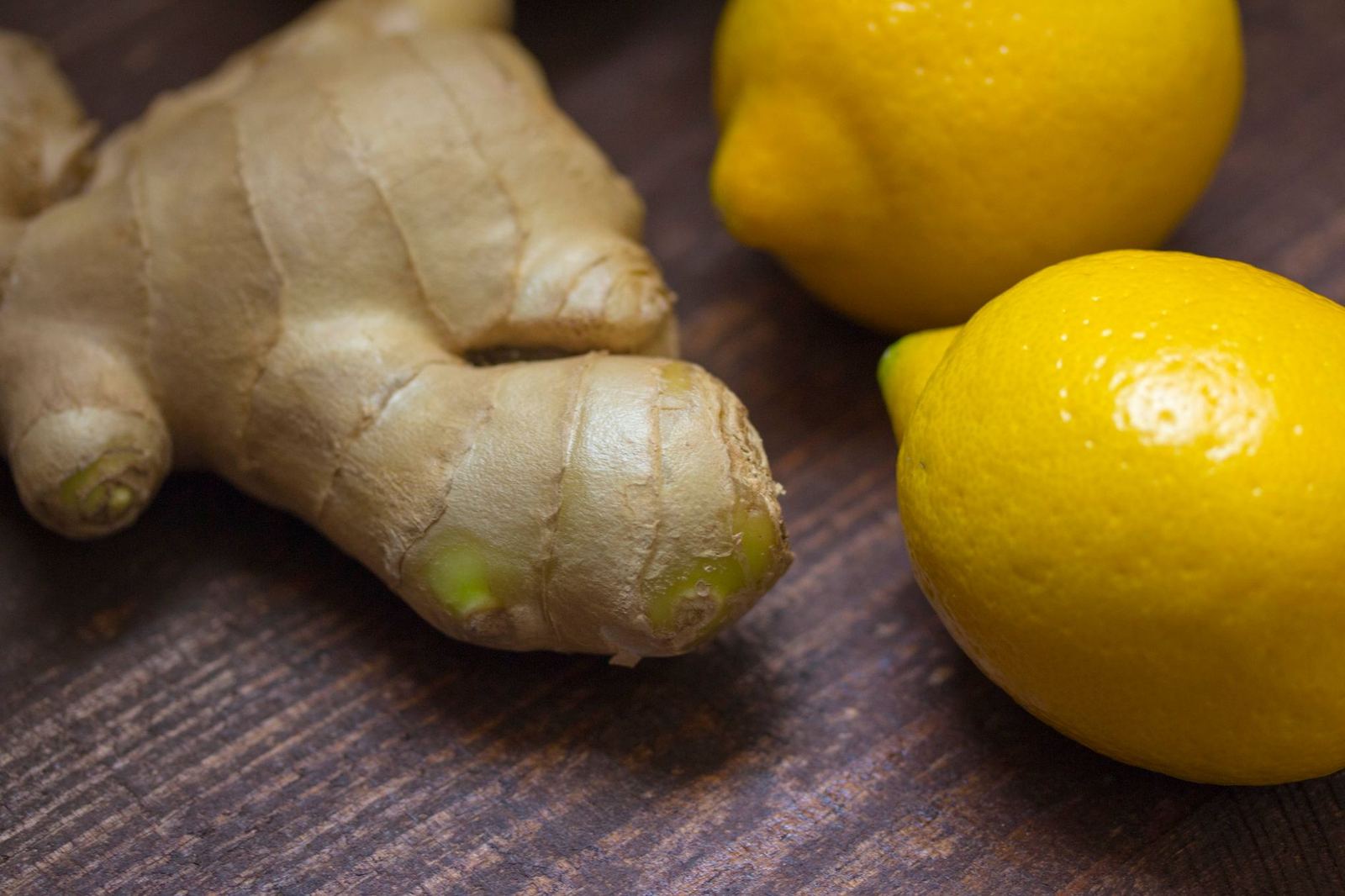
Pungent covers the warming aromatics: onion, garlic, ginger and chilies, plus black pepper. These are the ingredients that start most Indian dishes, softened in fat before the rest of the pot is built. A guide to ayurvedic spices covers how the whole and ground spices behind this taste are used.
Bitter is the taste most often missing from Western plates. The handout lists green vegetables, turmeric, green tea and neem as examples. Cooks can introduce it gently with leafy greens, a little turmeric in the tempering, or a cup of unsweetened tea alongside a meal.
Astringent is the dry, puckering sensation left by lentils, beans, broccoli and tea. It is the taste behind the satisfying, slightly drying finish of a bean dish. The handout cautions that excess leads to gas and bloating, which matches the common experience of overloading a meal with beans or raw broccoli.
Building a plate with all six
A balanced Ayurvedic meal does not require six separate dishes. A single bowl of rice and lentils already carries sweet from the rice and astringent from the lentils. A tempering of ginger, garlic and pepper adds pungent, a pinch of salt adds salty, a squeeze of lemon adds sour, and a side of sautéed greens or a cup of green tea brings in bitter.
Many cooks plan by looking for what is missing. If a meal feels flat, it is often lacking sour or bitter. If it feels heavy and sleepy, it may have too much sweet and salty. If it leaves the mouth dry, astringent may be dominating. Adjusting one element at a time is simpler than reworking a recipe.
The same approach scales to a week: a sour chutney can lead at lunch early in the week, a bitter vegetable later, and a bean dish after that. Variety across the week gives the same coverage as a perfectly balanced single plate and is easier to manage in a real household.
Practical ways to bring the tastes into cooking
Order matters when flavors are layered. Salt and sweet ingredients usually go into the pot early, so that grains, vegetables and legumes absorb them while they cook. Pungent aromatics are softened in fat at the start. Sour and bitter notes are often added at the end, because heat dulls the brightness of lemon and the freshness of herbs.
Condiments are a useful shortcut. A small bowl of pickle, chutney or yogurt on the table lets each person add sour or pungent to taste, which suits households where one person wants a sharper plate than another. Fresh greens or a bitter vegetable on the side extend the range without changing the main dish.
Tasting is the real tool. Spoon a little from the pot before serving and ask what stands out and what is absent. The vocabulary of the six tastes gives a name to that gap, and naming it makes the fix more precise than adding more of everything.
What the tradition claims and what research supports
The links between tastes, doshas and health effects belong to a traditional system. The NIH’s National Center for Complementary and Integrative Health reports that few well-designed clinical trials and systematic research reviews suggest that Ayurvedic approaches are effective, so the tastes are best used as a cooking vocabulary, not as medical guidance.
NCCIH also notes that some Ayurvedic preparations may contain lead, mercury or arsenic in amounts that can be toxic, a concern for herbal products rather than for everyday cooking. People with a health condition, who are pregnant or nursing, or who take medication should talk with a clinician before changing their diet or using herbs and supplements. Details are on the NCCIH Ayurvedic medicine page.
Frequently asked questions
Do I need all six tastes in every meal?
The tradition describes a balanced meal as one that includes all six, but in practice cooks aim for them across a day or a week, with the proportions varying by preference.
Is astringent the same as bitter?
No. Bitter is a sharp, clean flavor found in greens and tea, while astringent is a dry, puckering feeling left by lentils, beans and unripe fruit.
Which taste is easiest to add to a simple dish?
Sour is usually the quickest: a squeeze of lemon or a spoonful of yogurt at the end brightens a plain pot of rice or lentils without changing the method.
Are the tastes a medical system?
They belong to a traditional framework, and the research record on Ayurvedic approaches is limited, so they are best treated as a guide to cooking and not a treatment.