
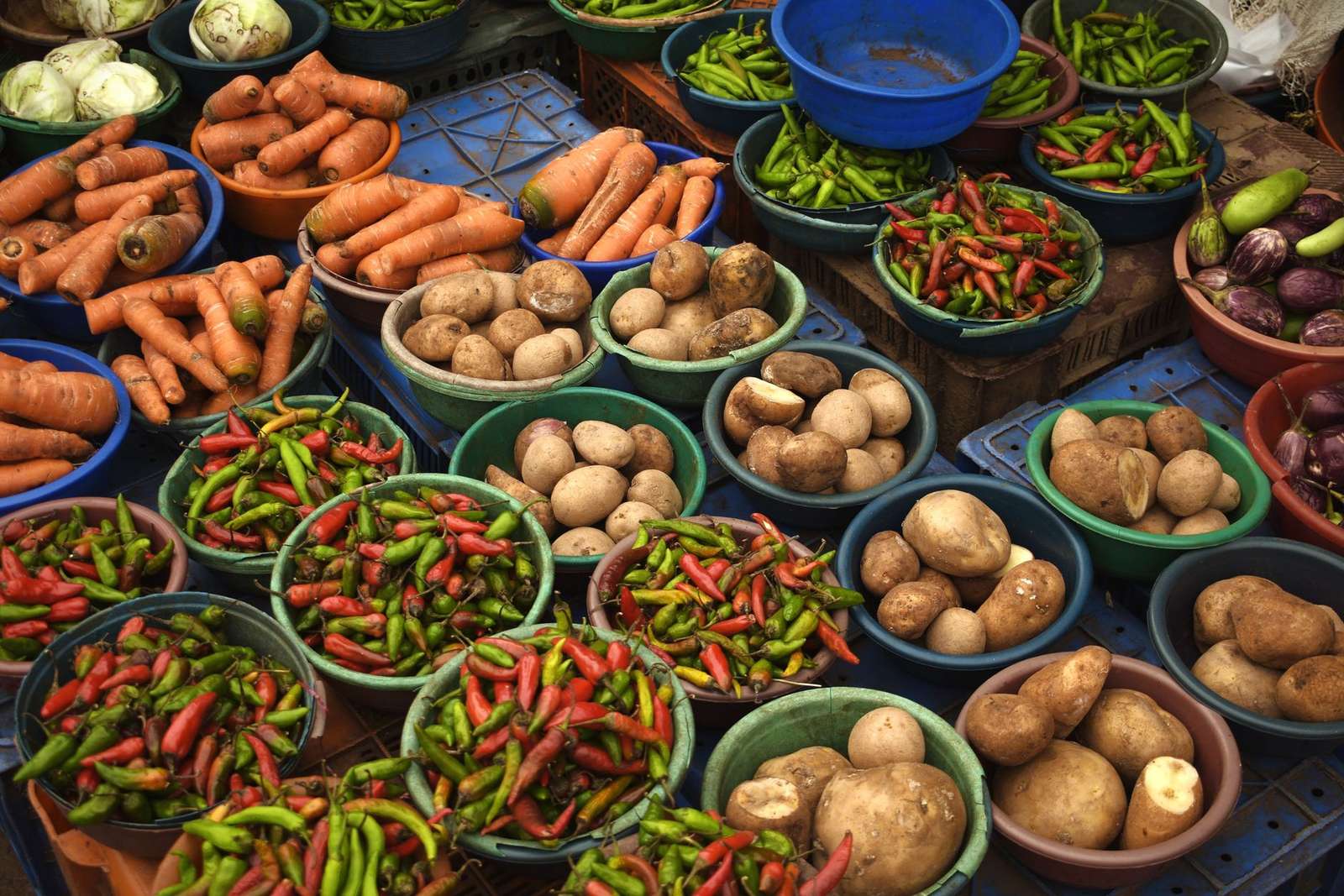
Ayurvedic seasonal eating, known as Ritucharya, is the traditional practice of changing diet and daily habits with the seasons. Classical texts describe six seasons, each with its own food advice.
It is one of the planning tools behind ayurvedic cooking, alongside taste, temperature and digestion.
The idea behind Ritucharya
A review of the Ayurvedic seasonal regimen in the Ancient Science of Life journal explains that Ayurveda has always emphasized maintaining health and preventing disease by following proper diet and lifestyle regimen. For this purpose, it says, the daily regimen (Dinacharya) and the seasonal regimen (Ritucharya) are described in the classics.
The reasoning is ecological. The review points out that human beings are part of the same ecology as the plants and animals that flower, shed leaves or hibernate as the weather changes, so the body is influenced by the external environment. When the body cannot adapt to the stresses of a changing season, the texts say it may lead to an imbalance of the doshas.
As with any traditional system, these are claims from classical texts. Cleveland Clinic reports that very few rigorous studies that meet Western standards of scientific validity have been conducted on Ayurveda, so seasonal advice is better treated as a cooking tradition than as medical guidance.
The six seasons of the Ayurvedic year
According to the same review, the year consists of six seasons: Shishira (winter), Vasanta (spring) and Grishma (summer) in the first half, then Varsha (monsoon), Sharata (autumn) and Hemanta (late autumn) in the second. The review adds that the pattern reflects the Indian subcontinent, where Ayurveda began, so the dates do not map neatly onto every climate.
The review describes the months of rising warmth and dryness as having an overall debilitating effect on the environment, while the months of cooling weather are described as ones where anabolic activity dominates over catabolic activity. In the text’s own terms, weakness occurs in the monsoon and summer, and maximum strength is seen in late autumn and winter.
Digestive fire follows the same rhythm. The review describes agni as higher in winter and late autumn, slow in spring, mild in summer, and vitiated in the monsoon, which is the reasoning behind eating heavier food in the cold months and lighter food when digestion is said to be weaker. The idea of agni is explored on its own page of this site.
Seasonal food advice at a glance
The table summarises the diet advice the Ritucharya review gives for each season, using the review’s own descriptions.
| Season | Tastes and qualities favoured | Examples named |
|---|---|---|
| Hemanta (late autumn) | Unctuous, sweet, sour and salty foods | New rice, green gram, milk products, sesame |
| Shishira (winter) | Sour taste preferred | Wheat, new rice, corn, ginger, garlic, milk products |
| Vasanta (spring) | Bitter, pungent and astringent; easy to digest | Old barley, wheat, rice, lentils, honey |
| Grishma (summer) | Light, sweet, unctuous, cold and liquid | Rice, lentils, buttermilk, fruit juices, mango juice |
| Varsha (monsoon) | Sour and salty, with unctuous qualities | Old barley, rice, wheat, soups, boiled water |
| Sharata (autumn) | Sweet and bitter, light and cold | Wheat, green gram, sugar candy, honey |
The table is drawn from the Ritucharya review in Ancient Science of Life.
Cold seasons: grounding, oily and warm
For late autumn, the review says to use unctuous, sweet, sour and salty foods, and that vata-aggravating foods, meaning light, cold and dry foods, are to be avoided, with cold drinks also contraindicated. Digestive fire is described as strong at this point, which is why heavier food is considered suitable.
Winter shifts the emphasis to sour tastes, with ginger, garlic and milk products included. Winter is also the season in which the review says kapha begins to deposit, an idea that connects directly with the kapha diet, which the review’s spring advice resembles.
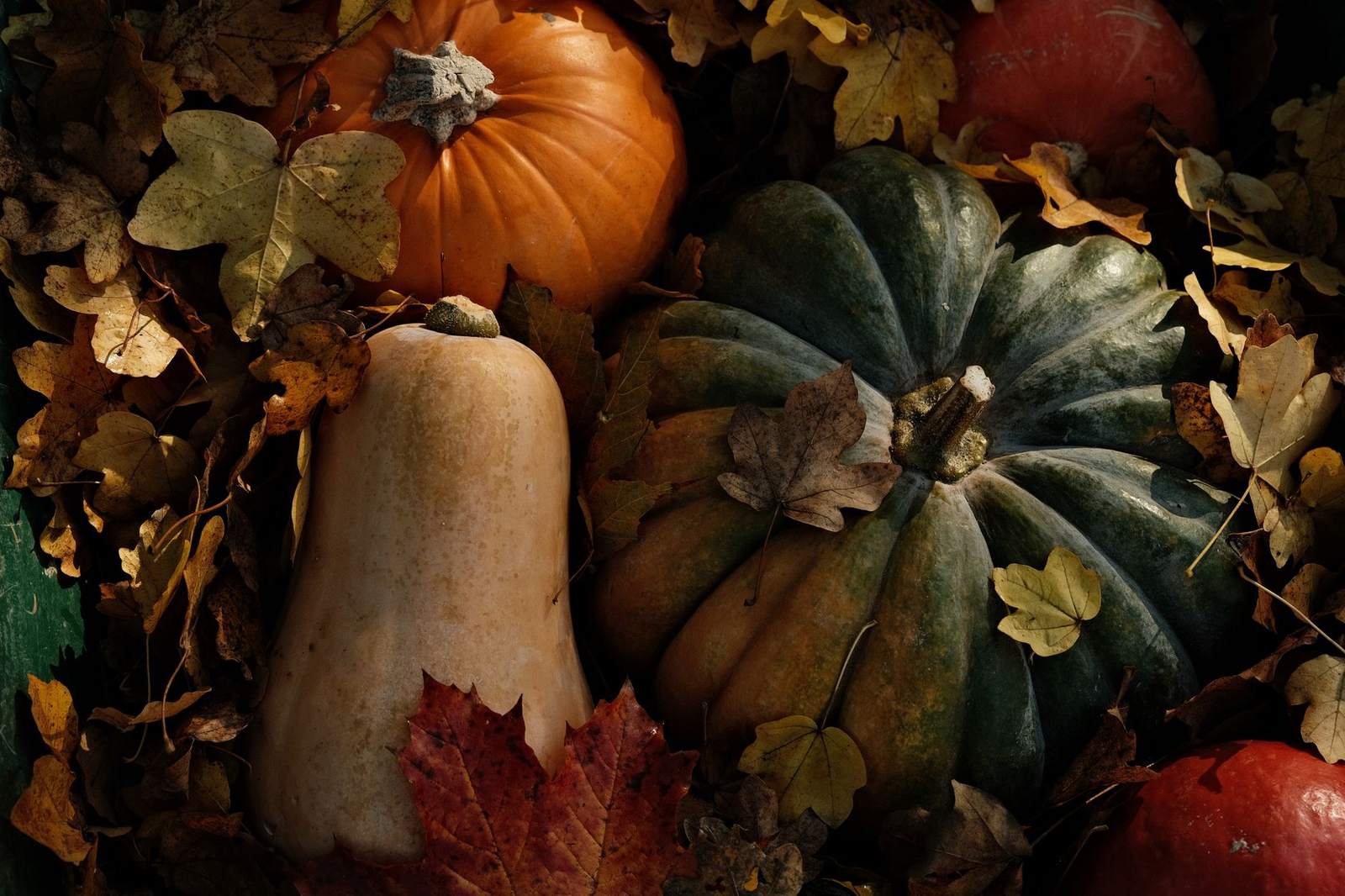
In kitchen terms, the cold-season pattern is familiar: warm soups, cooked grains, spiced milk or ghee-based dishes, and fewer raw or chilled foods. A pot of rice with split mung beans and ginger, eaten warm, fits the review’s list of rice, green gram and ginger without any special equipment.
The same reasoning explains why many home cooks swap salads for soups when the weather turns. The tradition does not ask for rare ingredients; the review names everyday cereals, pulses and spices, and leaves the cook to adjust quantity and seasoning to taste and appetite.
Spring and summer: lighter and easier to digest
In spring, the review says kapha vitiation occurs and agni is in a slow state, so the advice is to take easily digestible foods, to favour bitter, pungent and astringent tastes, and to avoid cold, heavy, sour and sweet foods along with new grains, curd and cold drinks. Barley, wheat, rice and lentils are the staples it names.
Summer brings a change of direction. The review describes foods that are light to digest, with sweet, unctuous, cold and liquid qualities, such as rice and lentils, plus plenty of liquids including buttermilk and fruit juices. Pungent, sour and warm foods are to be avoided in the heat. Spring and summer therefore point in nearly opposite directions on temperature, which is a useful reminder that the tradition adjusts to weather rather than following a single rule.
Monsoon and autumn: digestion and pitta
The monsoon is described as a season when the sky is covered with clouds, strength is lower and agni is vitiated. The review recommends sour and salty tastes with unctuous qualities, old grains such as barley and rice, soups, and boiled or medicated water, while heavy foods that are hard to digest are prohibited.
Autumn is when pitta is vitiated. The advice is for sweet and bitter foods that are light to digest and pitta-pacifying, such as wheat and green gram, with hot, bitter, sweet and astringent foods listed among those to avoid, and the habit of eating only when there is a feeling of hunger recommended. The page on the ayurvedic food combining rules covers how foods are matched at the same meal and in the same season.
Using the calendar in a modern kitchen
Few cooks live in the climate the texts describe, so a practical reading is to follow the logic rather than the dates. Warm, moist and well-cooked food in cold, dry weather; lighter and cooler dishes in heat; and extra attention to digestibility when the weather is damp. Readers can compare the weather outside with the review’s descriptions of each season and adjust.
Treat any such change as a cooking decision, not a treatment.
NCCIH advises that if you have a health condition, you should talk with your conventional health care provider before using Ayurvedic products. People who are pregnant or taking medication should also check with a clinician before changing their diet or adding herbs or supplements.
Frequently asked questions
What does Ritucharya mean?
Ritucharya is the Ayurvedic seasonal regimen, the set of diet and lifestyle recommendations that change through the year.
How many seasons does Ayurveda describe?
Six: Shishira, Vasanta, Grishma, Varsha, Sharata and Hemanta, which the review translates as winter, spring, summer, monsoon, autumn and late autumn.
Do the seasons match my local weather?
The review notes the seasonal pattern is observed predominantly in the Indian subcontinent, so readers elsewhere usually follow the principle of matching food to the weather.
Is seasonal eating proven to prevent illness?
No. The claim of prevention comes from classical texts, and Cleveland Clinic reports that few rigorous studies on Ayurveda exist.
Which grains does the seasonal review name most often?
Barley, wheat and rice appear repeatedly across the seasons, with the review distinguishing old grains for spring and the monsoon from new rice for winter and late autumn.