
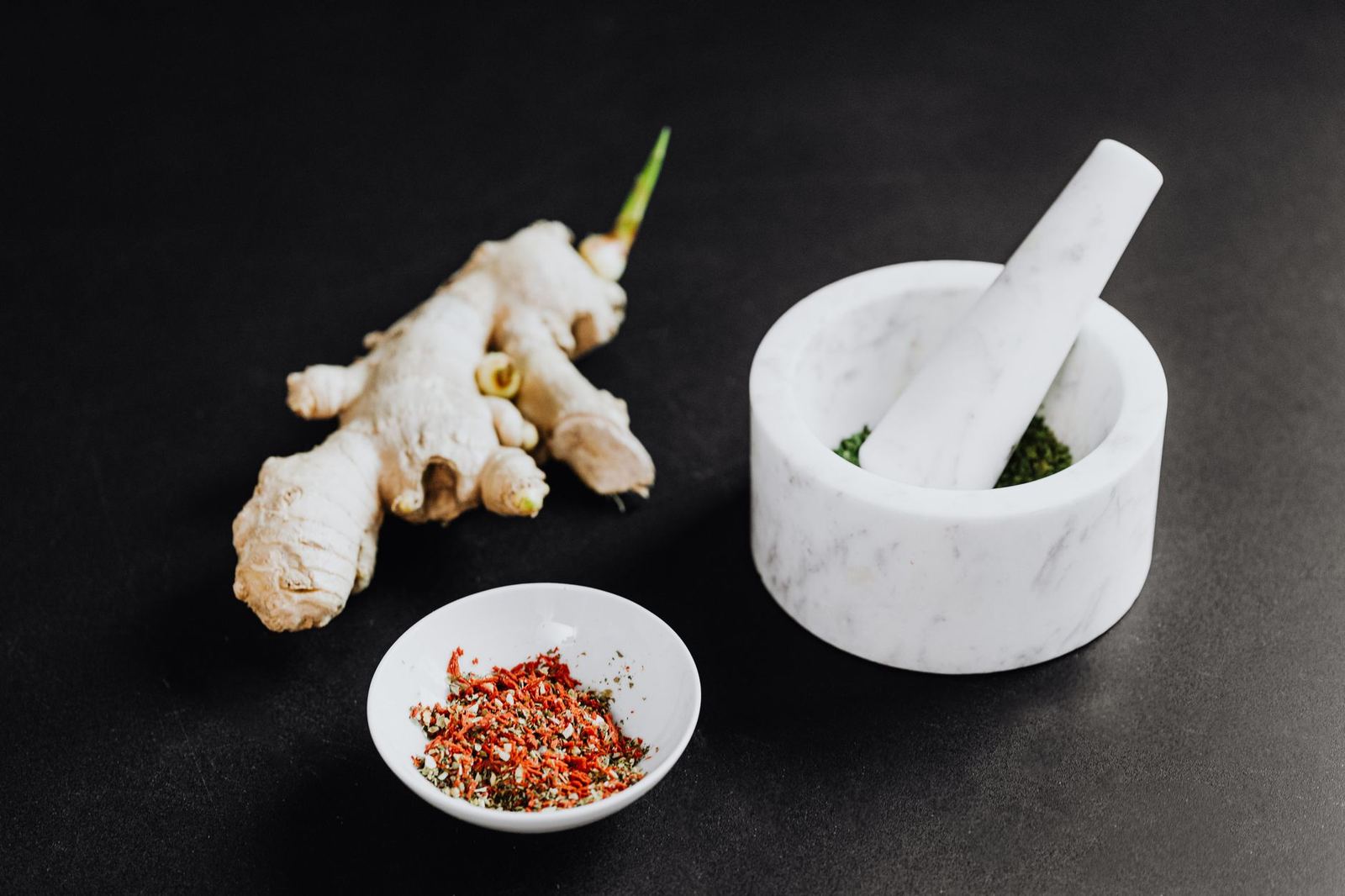
A kapha diet, in Ayurvedic tradition, favours light, warm, dry and well-spiced foods over heavy, cold, oily or sweet ones. It is a traditional way to plan meals around the kapha dosha, not a medical treatment.
It sits inside the wider approach laid out in the guide to ayurvedic cooking, where each meal is balanced by taste, temperature and ease of digestion.
What kapha means in Ayurvedic theory
Ayurveda describes three doshas, the principles that explain a person’s constitution. A review of Ayurveda, genetics and epigenetics in the journal Ayu states that kapha is formed from the heavier elements with properties of water and earth, and that it regulates structure and cohesion of the body, including strength, stability, fluid balance and weight.
Cleveland Clinic gives a plain-language version. In its summary, kapha is the element that holds everything together and is the densest of the three doshas, known for endurance and lubrication. People described as kapha-dominant are portrayed as steady, loyal and nurturing, while an imbalance is described as bringing fatigue, weight gain, swelling and a reluctance to try new things.
These are descriptions from a traditional framework. The same Cleveland Clinic article says that very few rigorous studies meeting Western standards of scientific validity have been conducted on Ayurveda, and that even fewer have demonstrated effectiveness. A kapha diet is therefore best read as a cooking tradition with a long history, not as a diagnosis or a plan with proven results.
The guiding idea: opposites balance
Ayurvedic food advice works by matching qualities. The same review of Ayurveda and diet explains that the taste and qualities of foods affect the doshas in specified ways, and that the time of day, the season and the age of the person all influence what is chosen.
Because kapha is described as heavy, cold, moist and slow, the traditional counterweight is food with the opposite qualities: light, warm, dry and stimulating. That is why the kapha diet leans on the pungent, bitter and astringent tastes, and holds back on the sweet and sour ones. Heavy, oily and cold dishes, and large helpings, are the usual things to ease off.
Cleveland Clinic describes the same direction in modern wording: people with an excess of kapha are steered away from comfort foods towards lighter fare such as fruits and vegetables, in smaller portions through the day. The six-taste framework behind these choices is covered in more detail on the six tastes page of this site.
Foods and tastes the tradition favours
The best-documented kapha-related advice in the Ayurvedic literature comes from the seasonal regimen. A review of Ritucharya, the Ayurvedic seasonal routine, describes spring as the time when kapha is vitiated and agni is slow. Its diet advice for that season is useful as a snapshot of what a kapha-reducing plate looks like.
According to that review, one should take easily digestible foods. It lists old barley, wheat and rice among the cereals, and lentils among the pulses. It also says foods tasting bitter, pungent and astringent are to be taken, and that honey can be included.
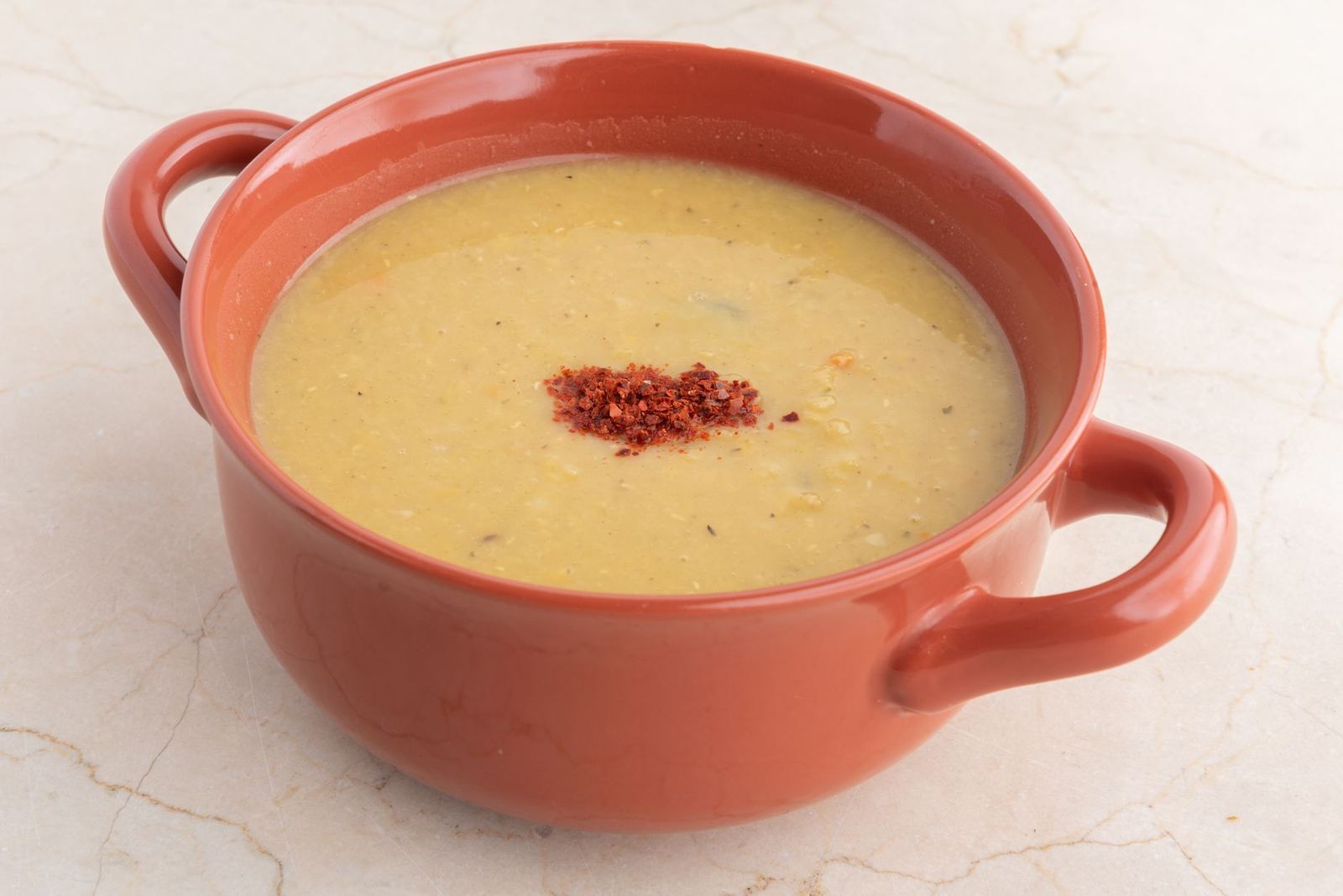
In kitchen terms, that translates into a handful of repeatable habits:
- Pulses such as lentils and beans as the protein centre of the meal. Harvard’s Nutrition Source calls legumes an inexpensive source of protein, vitamins, complex carbohydrates and fiber, which fits a light but filling plate.
- Bitter and leafy vegetables, cooked simply, in place of heavy cream sauces.
- Drier grains such as barley, millet or a plain cooked rice, rather than rich, sticky or sweetened porridges.
- Warming seasonings such as ginger and garlic. The Ritucharya review lists both among the foods to include in the cold winter season, when kapha builds up, although that winter entry also says foods dominated by pungent, bitter or astringent taste are to be avoided; the pungent-taste advice quoted above comes from its spring entry.
- Warm drinks and soups in place of iced or very cold ones.
What the tradition says to ease off
The same Ritucharya review is explicit about the other side of the ledger. For spring, it says foods that are cold, viscous, heavy, sour or sweet are not preferred, and that new grains, curd and cold drinks are to be prohibited. Foods that are hard to digest are to be avoided as well.
As general kitchen advice rather than something the review states, that can be turned into a list of habits rather than a rulebook: fewer heavy fried dishes, less cold dairy such as ice cream and cold yogurt, smaller servings of sweets and rich desserts, and fewer iced drinks.
Cooking method is general kitchen advice too, not a claim from the review. Dry-heat methods such as roasting and quick sautéing with a little fat suit the light-and-dry principle better than deep frying or long simmering in cream.
Eating habits that go with the food
Ayurvedic texts treat how a person eats as part of the diet. The Ritucharya review notes that for the autumn season the habit of eating only when there is a feeling of hunger is recommended, and Cleveland Clinic’s kapha summary points to smaller portions through the day. Both ideas show up in kapha advice: eat when hungry, keep portions moderate, and avoid heavy late meals.
Movement is the companion habit. Cleveland Clinic notes that increasing physical activity to get blood flowing is part of the advice for balancing kapha, and the Ritucharya review pairs spring eating advice with exercise. A brisk walk after a meal fits the idea better than lying down.
The Ritucharya review places the deposition of kapha in the cold winter season and its vitiation in spring, and says kapha is pacified in summer. The page on ayurvedic seasonal eating follows how the diet shifts through the year.
How kapha differs from the other plans
Kapha eating is close to a mirror image of the vata plan, which asks for warm, moist and oily food. It also differs from the cooling approach used when pitta is high. The page on the pitta diet sets out the cooling approach in full.
Most people are described as having a blend of doshas rather than one alone. The Ayu review of Ayurveda, genetics and epigenetics says each individual has a unique ratio of vata, pitta and kapha, so a plan is usually adjusted rather than followed to the letter.
Safety and sensible limits
Changing what you eat is not the same as taking Ayurvedic herbal products, but the same caution applies to both. NCCIH advises that if you have a health condition, you should talk with your conventional health care provider before using Ayurvedic products, and that Ayurvedic medicine should not be used to postpone seeing a conventional provider about a medical problem. The same applies to people who are pregnant or taking medication: check with a clinician before making big changes to diet or adding herbs or supplements.
NCCIH also reports that some Ayurvedic preparations may contain lead, mercury or arsenic in amounts that can be toxic. That concern relates to manufactured preparations, not to everyday spices and vegetables in a home kitchen, but it is a good reason to keep a kapha diet food-based.
Frequently asked questions
What is a kapha diet?
It is the Ayurvedic pattern of eating that favours light, warm, dry and spiced foods, and the bitter, pungent and astringent tastes, to balance the heavy, cold qualities attributed to kapha.
Is there scientific proof that a kapha diet works?
Cleveland Clinic reports that few rigorous studies meeting Western standards have been done on Ayurveda, and NCCIH says few well-designed trials suggest that Ayurvedic approaches are effective. The diet is a tradition, not a proven treatment.
Which foods does the tradition suggest easing off?
The seasonal review lists cold, viscous, heavy, sour and sweet foods, along with curd and cold drinks, as not preferred when kapha is high.
Do I need to know my dosha first?
Ayurvedic theory says each person has a unique ratio of the three doshas, and practitioners assess that individually. For home cooking, most people treat the plan as a set of seasonal or occasional leanings rather than a fixed label.