

Agni ayurveda refers to the digestive fire: the traditional idea of a metabolic force that transforms food into nourishment. Ayurvedic cooks treat it as the starting point for deciding what, when and how to eat.
It underpins much of ayurvedic cooking, from warm cooked meals to the choice of spices.
What agni means in the tradition
A review of Ayurveda in the Journal of Ayurveda and Integrative Medicine states that digestion of food is critical to good health according to Ayurveda, and that the concept of Agni, or fire, to digest the consumed food is the basis of proper assimilation of food by the tissues. The word agni is simply the Sanskrit for fire, used here as a metaphor for transformation.
Another review, of the history and principles of Ayurveda in the Journal of Traditional and Complementary Medicine, describes it in similar terms: the biological fire of the body for all the metabolic function is called Agni. It lists agni alongside the doshas, the tissues (dhatus) and the waste products (malas) as one of the core factors considered in the doctrine of Ayurveda.
In everyday language, then, agni is less a single organ than a way of describing how well a person turns a meal into energy. A strong agni is traditionally described as meaning good appetite and comfortable digestion; a weak one, sluggish digestion. These are traditional descriptions, not laboratory measures.
Jatharagni and the other fires
According to that history-and-principles review, there are thirteen categories of agni in the human body, and the most important is the one responsible for digestive fire, called Jatharagni. The review says Jatharagni has a close relation with pitta and, ultimately, vata.
That link with pitta matches the way Cleveland Clinic explains the doshas. In its summary, pitta in Ayurvedic theory is responsible for controlling digestion, hormones and metabolism. The practical consequence is that advice about digestion often overlaps with advice for pitta, such as favouring cooler, gentler foods when the fire is described as too sharp.
The same history-and-principles review adds that digestive fire is important in controlling the normal microflora, proper digestive functions and provision of energy to the entire body. This is the tradition’s own framing, but it shows why agni sits at the centre of Ayurvedic dietetics rather than at the edge.
It is worth noting what the tradition does not claim here. Agni is not presented as something to be forced or stoked with extreme measures; the reviews cited describe it as a balance that varies with the person, the season and the meal, and the guidance that follows is about suiting food to that balance.
Agni and ama
The concept that goes hand in hand with agni is ama. The Journal of Ayurveda and Integrative Medicine review explains that when agni is weak, food that is incompletely digested results in the toxic buildup of a substance called ama. It describes ama as toxic byproducts of incomplete digestion concentrated in extracellular spaces, and says that, to minimize the accumulation of ama, recommendations for the proper digestion of food are emphasized in Ayurveda.
The review goes further and links deposited ama to a list of conditions. That is the author’s account of the Ayurvedic model, not an established finding, and the sensible reading for a home cook is narrower: the tradition places great weight on eating in a way that suits digestion.
The review also says that Ayurveda has detailed recommendations for diet and nutrition personalised according to constitutional type and other factors. The major factors it lists are the taste and qualities of the food, the time of day, season and age of the individual, the state of the person’s physiology and geographic location.
How agni changes with the seasons
The Ritucharya review in Ancient Science of Life describes agni as varying through the year. In winter, it says agni remains in a higher state, and activity of agni is increased in late autumn, and it lists unctuous, sweet, sour and salty foods for that season. In spring, it says agni remains in a slow state; in summer it is mild; and in the monsoon agni is vitiated.
In autumn, the review says the activity of agni increases again. The sister page on seasonal eating sets out what the review recommends cooks put on the plate in each season.
Cooks who like to follow the idea often describe it in simple kitchen terms: warm, freshly prepared meals eaten at a calm pace, with spices chosen for the season and portions sized to appetite. Nothing in the reviews cited here requires special equipment or unusual ingredients, and the same cooking can be enjoyed without accepting every claim of the theory.
The pattern is easy to remember. The review links a higher agni in colder months with richer foods, and a slow or mild agni with easily digestible foods; this is the tradition’s pattern, not a tested rule.
Everyday habits linked to agni
The Ayurvedic literature attaches several practical habits to protecting the digestive fire. They are drawn here only from the reviews cited above, and they are traditions rather than medical advice.
- Eat when hungry. For autumn, the Ritucharya review recommends the habit of eating food only when there is a feeling of hunger.
- Choose easily digestible food when digestion feels slow. For spring, the same review says one should take easily digestible foods and avoid foods that are hard to digest.
- Match food to the person and season, rather than following one fixed list. The diet review says recommendations are personalised according to constitution and other factors.
- Treat the order and combination of foods with care. The food combining review lists agni among the categories of incompatibility, and notes that people with a very good status of agni, who exercise regularly and are young, can consume foods that would otherwise be considered incompatible. Readers can see more on this in the guide to ayurvedic food combining.
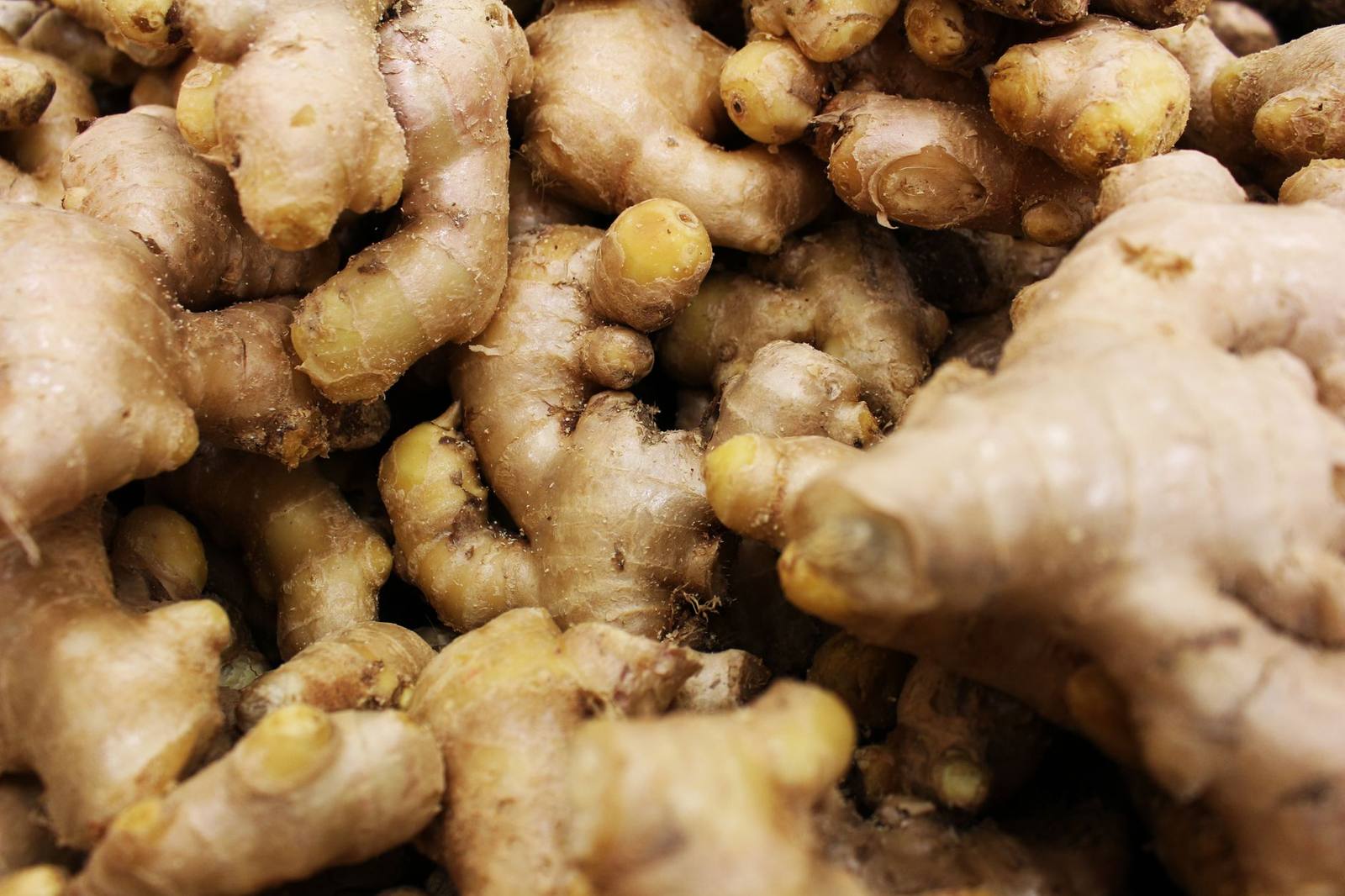
Spices play a supporting role in this picture. The Ritucharya review includes ginger and garlic in the winter diet, and many Ayurvedic recipes use warming spices for flavour. Turmeric is the best known of them, and the page on turmeric ayurveda looks at what the research literature does and does not report.
What the evidence says, and safety
Cleveland Clinic reports that very few rigorous studies that meet Western standards of scientific validity have been conducted on Ayurveda, and that even fewer have demonstrated effectiveness. NCCIH makes a similar point: few well-designed clinical trials and systematic research reviews suggest that Ayurvedic approaches are effective.
Agni, ama and the other concepts here belong to a traditional framework. They do not map neatly onto modern physiology, and persistent digestive symptoms deserve a conventional medical assessment. NCCIH advises that if you have a health condition, you should talk with your conventional health care provider before using Ayurvedic products, and that Ayurvedic medicine should not be used to postpone seeing a provider about a medical problem. People who are pregnant or take medication should likewise check with a clinician before changing their diet or adding herbs or supplements.
Frequently asked questions
What does agni mean?
Agni is the Sanskrit word for fire. In Ayurveda it refers to the digestive and metabolic fire that transforms food, with Jatharagni being the digestive fire.
What is ama?
Ama is the term for undigested material that, in Ayurvedic theory, builds up when agni is weak.
Does agni change with the seasons?
The Ritucharya review describes it as higher in winter and late autumn, slow in spring, mild in summer and vitiated in the monsoon.
Is there scientific proof for agni?
No. It is a traditional concept, and Cleveland Clinic reports that few rigorous studies on Ayurveda exist.