
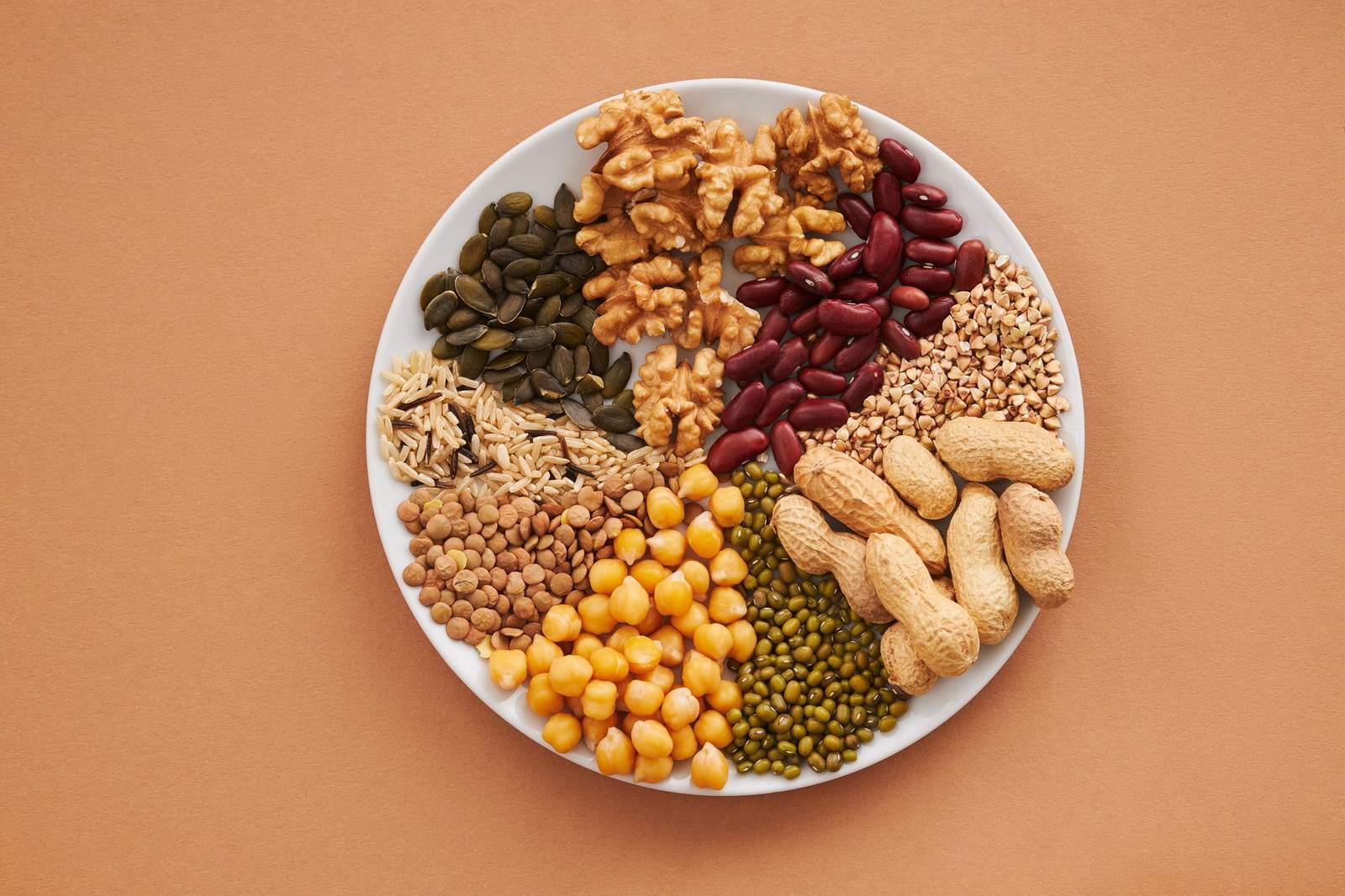
Vegetarian protein sources include lentils, beans, tofu, nuts, seeds, whole grains, eggs and dairy, and a varied mix across the day covers the amino acids the body needs. This page explains the main groups and how to pair them.
It is part of the site’s wider guide to vegetarian cooking, and it focuses on what to put on the plate rather than on supplements.
Why protein quality and variety matter
Protein is built from amino acids, and some of them have to come from food. According to the Harvard T.H. Chan School of Public Health, nine amino acids, known as the essential amino acids, must come from food. Some proteins are “complete,” meaning they contain all twenty-plus types of amino acids needed to make new protein in the body, while others are incomplete, lacking one or more of the nine essential amino acids.
The same page explains that animal-based foods tend to be good sources of complete protein, while plant-based foods often lack one or more essential amino acid. The practical answer is variety. People who do not eat animal-based foods can eat a variety of protein-containing plant foods each day to get all the amino acids needed, and they can also choose complete plant proteins like quinoa and chia seeds.
The MedlinePlus encyclopedia puts the reassurance plainly: you do not need to eat animal products to get all the protein you need in your diet. It adds that essential amino acids do not have to be eaten at every meal, because the balance over the whole day is more important.
The main groups of vegetarian protein sources
Most vegetarian protein falls into a handful of groups, and a meal can combine two or three of them without any special planning.
Pulses and soy foods
Pulses are the edible seeds of legume plants. Harvard’s Nutrition Source notes that pulses include beans, lentils and peas. The NHS says pulses are particularly important for people who do not get protein by eating meat, fish or dairy products. Soy foods such as tofu and tempeh belong here too, as do the other meat alternatives the NHS lists: tofu, mycoprotein, textured vegetable protein and tempeh. Cooked at home, lentils are the quickest of the group, and the guide to how to cook lentils covers each type.
Nuts, seeds and whole grains
The NHS notes that nuts and seeds are also a source of protein and other nutrients. Whole grains contribute smaller amounts, but they add up in a diet that is built on grains, and some, such as quinoa, supply complete protein according to Harvard.
Eggs and dairy
For vegetarians who eat them, eggs and dairy are straightforward options. The NHS describes milk and dairy products, such as cheese and yoghurt, as good sources of protein, calcium and vitamins A and B12.
How much protein is in a typical portion?
MedlinePlus gives a handy yardstick: one ounce (30 grams) of most protein-rich foods contains 7 grams of protein. Several vegetarian foods match that amount in a common portion.
| Food | Portion with about 7 grams of protein |
|---|---|
| Eggs | 1 large egg |
| Tofu | quarter cup (60 milliliters) |
| Cooked beans or lentils | half cup (65 grams) |
Portions come from the MedlinePlus protein in diet entry, which lists these items as equivalent to one ounce of meat, fish or poultry.
Lentils stand out among the pulses. Harvard’s Nutrition Source reports that a cup of cooked lentils provides about 18 grams of protein and 15 grams of fiber.
Combining plant proteins across the day
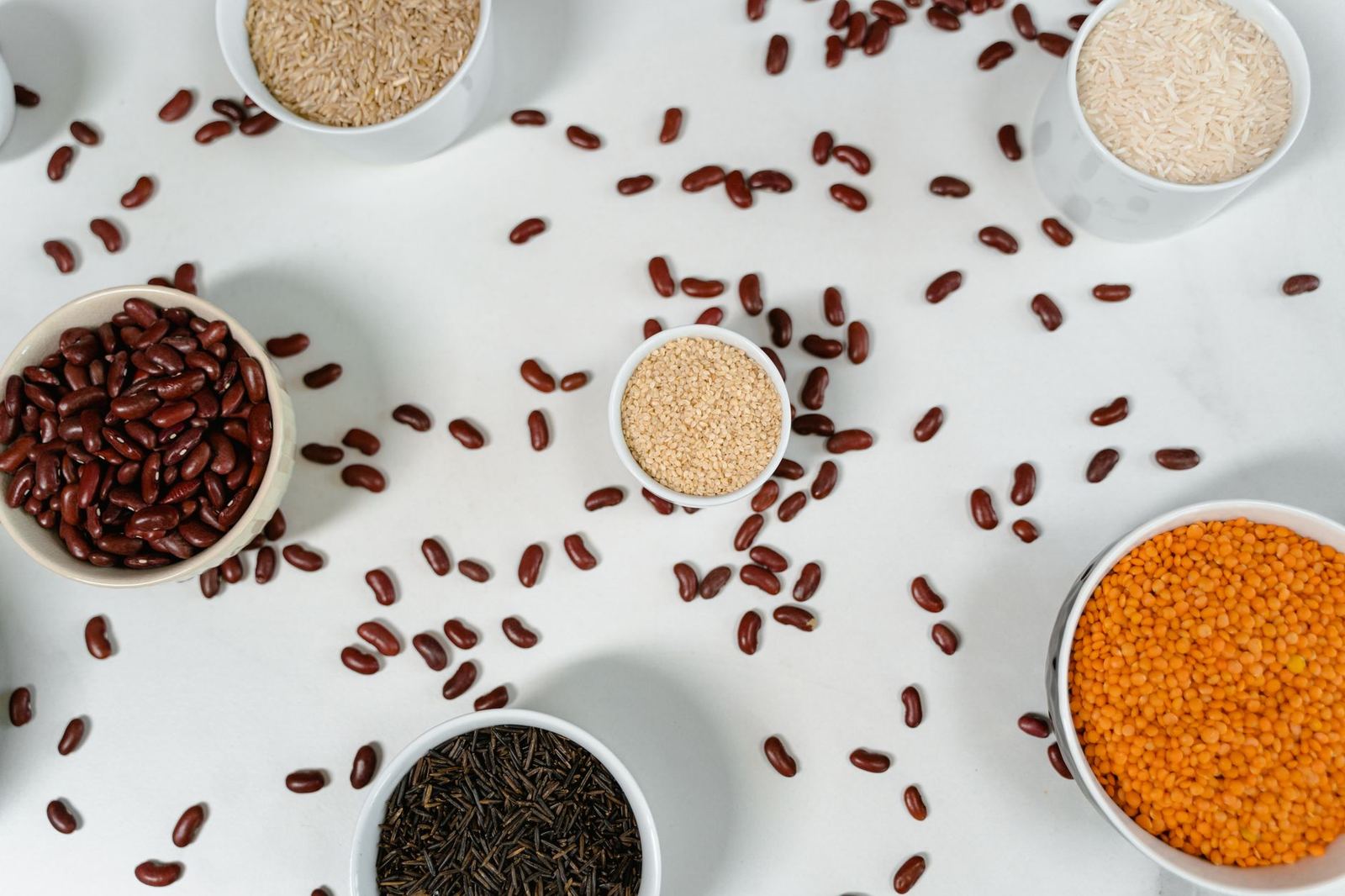
The old idea that proteins must be matched at every meal is not required. The NHS puts the requirement as eating a variety of different sources of protein to get the right mixture of amino acids, and MedlinePlus says the balance over the whole day is more important. That makes combining easy.
- Lentils or beans with rice, flatbread or another grain, as in a dal and rice plate
- Hummus or chickpeas with whole-grain bread
- Tofu or tempeh with vegetables and a grain such as rice or quinoa
- Nut butter on whole-grain toast, or seeds sprinkled over a bowl of grains and vegetables
- Yogurt or eggs alongside beans or whole grains, for those who eat dairy and eggs
Cooking ideas are plentiful. A weeknight bowl might pair spiced lentils with rice and sautéed greens, and a lighter dinner might use pressed tofu in the tofu tacos method on this site. Both give the body a range of amino acids over the day.
A sample day of vegetarian meals
Seeing the groups on a plate makes the idea easier to apply. Nothing here is a prescription; it only shows how the sources above can be spread across a day.
- Breakfast: oats or a warm grain porridge with chopped nuts and seeds, or eggs with whole-grain toast.
- Lunch: a bowl of rice, a ladle of spiced lentils or beans, and a side of cooked vegetables.
- Snack: yogurt with seeds, a handful of nuts, or hummus with vegetable sticks.
- Dinner: tofu or tempeh stir-fried with vegetables and served over rice or quinoa.
Every meal in that list includes at least one protein source, and the day as a whole draws on pulses, soy, nuts, seeds, grains and dairy or eggs. That mix is what the guidance on variety asks for, and none of it calls for specialty products.
Seasoning also helps. Spices, citrus and fresh herbs make plain pulses and tofu more appealing, which in turn makes it easier to eat them regularly. Cooking a large pot of lentils or beans at the start of the week and using it in several meals is an easy habit that keeps protein on hand.
How much protein is enough?
Harvard’s Nutrition Source states that the average person needs about 7 grams of protein every day for every 20 pounds of body weight. Individual needs vary with age, activity, pregnancy and health, so this is a rough guide rather than a target. Pulses also fit into the wider picture of a balanced diet: Harvard notes that legumes are emphasized by the U.S. Dietary Guidelines at about 3 cups a week.
Two nutrients deserve attention on a vegetarian diet. The NHS says vegetarians need to make sure they get enough iron and vitamin B12 in their diets, which is a separate question from protein and is worth reading about in more detail.
Allergies, safety and traditional context
Several of the best vegetarian proteins are also common allergens. Harvard lists eggs, fish, milk, peanuts, tree nuts, and soybeans among the foods that cause allergic reactions in some people, so nuts, soy and dairy should be avoided by anyone with a relevant allergy and replaced with other sources from the groups above.
In Ayurvedic cooking, lentils, rice and dairy are staples. The National Center for Complementary and Integrative Health describes Ayurvedic medicine as one of the world’s oldest medical systems and one of India’s traditional health care systems; on this site it is treated as a food tradition, not as medical advice. That page advises that if you have a health condition, you should talk with your conventional health care provider before using Ayurvedic products. People who are pregnant, who take medication or who are planning big changes to their diet should speak to a clinician or registered dietitian first.
Frequently asked questions
Do vegetarians need to combine proteins at every meal?
No. Spreading different protein foods across breakfast, lunch, dinner and snacks is enough, so a single plate does not need to be perfectly matched.
Is tofu a good protein source?
Yes. MedlinePlus lists soy among the plant sources of amino acids, and a quarter cup (60 milliliters) of tofu is one of its portions with about 7 grams of protein. Pairing it with other protein foods through the day keeps the mix varied.
Which vegetarian protein sources are best for a quick meal?
Eggs, tofu, canned beans and red lentils need little preparation. Nut butter on toast and yogurt with seeds also take only a few minutes.
Do lentils have a lot of protein?
Harvard reports that a cup of cooked lentils provides about 18 grams of protein and 15 grams of fiber, which makes them one of the most useful pulses for meals without meat.