
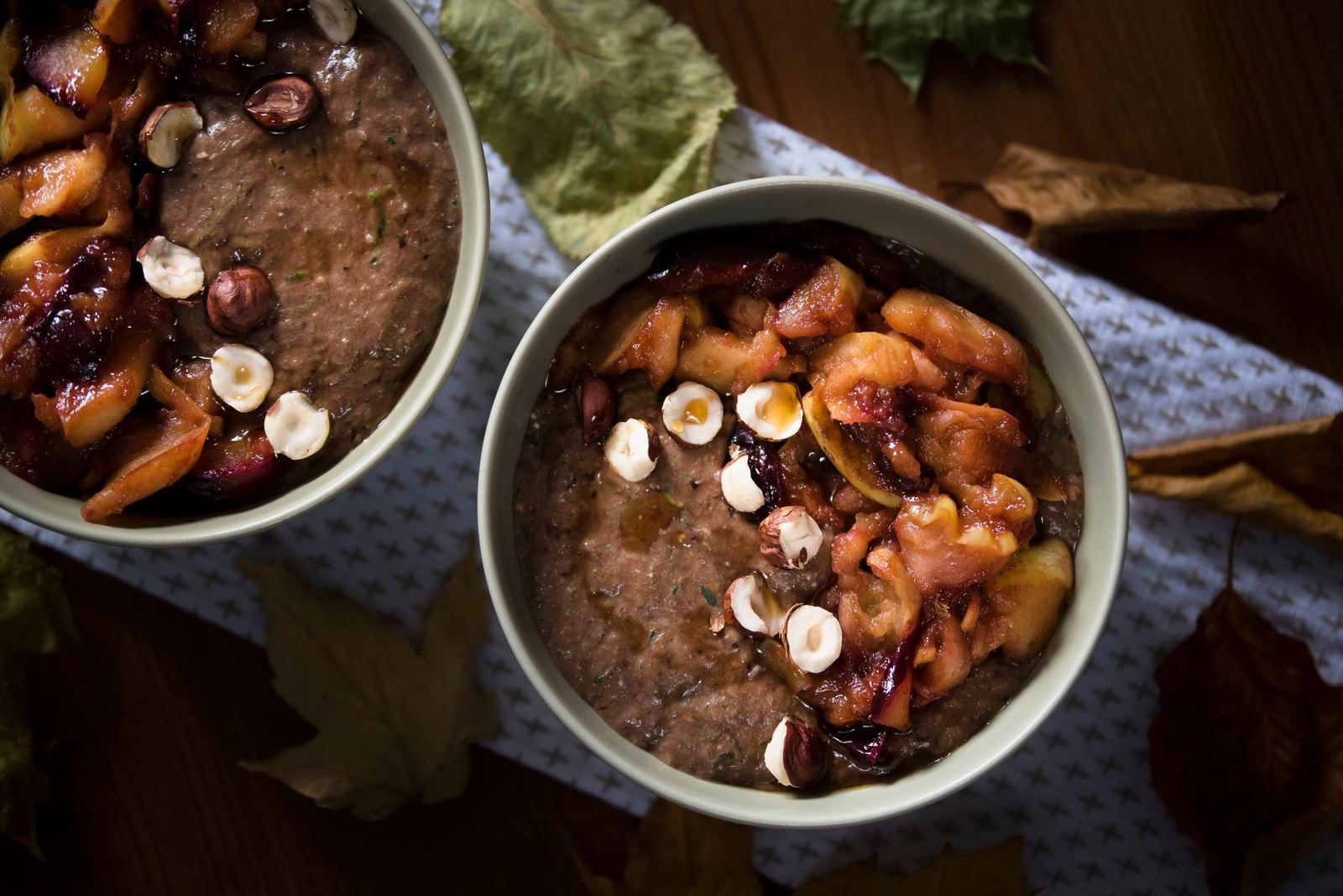
An ayurvedic breakfast is traditionally warm, freshly cooked and gently spiced, and a bowl of porridge fits that pattern well. This original method simmers oats or broken grain with cinnamon, cardamom and ghee, with no fixed measurements.
The porridge is one dish among the breakfasts, soups, drinks and sweets in the collection of ayurvedic recipes, and it works as a base for whatever fruit is in season.
What makes a porridge ayurvedic
Ayurveda is a traditional system from India. The National Center for Complementary and Integrative Health notes that “Ayurvedic medicine is one of the world’s oldest medical systems and remains one of India’s traditional health care systems.” In everyday cooking, that tradition shows up as a preference for food that is cooked fresh, served warm and seasoned with spices rather than eaten cold from the refrigerator.
For breakfast, that usually means a soft cooked grain. In India the grain might be broken wheat, rice or millet, and in other kitchens it is oats. The grain is simmered in water or milk until it turns creamy, then finished with a spoonful of ghee and warming spices. The style is simple and forgiving, and it suits cool mornings when a cold bowl of cereal feels unwelcoming.
This page describes the kitchen method only. It does not claim that any breakfast treats or prevents a condition, and the NCCIH guide to Ayurvedic medicine sets out what research does and does not show about the wider tradition.
Choosing the grain
Oats are the easiest grain to find, and they come in several forms. Harvard’s Nutrition Source lists them from least to most processed: groats, steel-cut oats, Scottish oats, rolled oats and instant oats. It explains that “The larger the size of the pieces, the longer they will take to cook,” so the form decides how long the pot stays on the stove.
Rolled oats suit a quick weekday porridge, because they soften fast and turn creamy with little stirring. Steel-cut oats give a chewier bowl with more texture, and they reward a patient simmer. Instant oats cook almost at once but are often sold sweetened or flavored. The Nutrition Source advises checking the ingredients for added sugar, which is good advice for any packaged cereal.
Harvard also reports that “The least processed oats, like groats or steel-cut, generally take longer to digest so they have a lower glycemic index than rolled or instant oats.” The Nutrition Source page on oats explains the types in detail. Whichever form is used, the method below stays the same, and only the simmering time changes.
Ingredients for the porridge
- Oats of any form, or cracked wheat or broken rice for a more traditional grain
- Water, milk, or a mix of both, enough to leave the pot loose while the grain swells
- Ghee, a spoonful for cooking the spices and a little more for the finish
- A cinnamon stick, or a pinch of ground cinnamon
- Cardamom pods, lightly crushed, or ground cardamom
- A small pinch of salt
- Jaggery, honey or dates for sweetness, added at the end and to taste
- Toppings: chopped nuts, seeds, raisins or fruit
A little fresh ginger, finely grated, is a good addition on a damp morning. Leave out the milk and use only water for a lighter, dairy-free porridge, and use a plant milk if preferred. The spices, not the dairy, give this bowl its character.
Method: toast, simmer, finish
- Warm a spoonful of ghee in a saucepan over low heat. Add the cinnamon stick and the cardamom and let them sizzle gently until fragrant, taking care not to scorch them.
- Add the oats or grain and stir for a minute or so, so each piece is coated in ghee and smells lightly toasted.
- Pour in the water or milk, add the pinch of salt and bring to a gentle boil.
- Lower the heat and simmer, stirring from time to time and scraping the bottom of the pot so nothing sticks.
- Keep cooking until the grain is tender and the porridge has thickened to a spoonable, creamy texture. Rolled oats get there quickly, and steel-cut oats need much longer. Add a splash of hot water or milk if the pot becomes too thick.
- Remove the cinnamon stick and any large cardamom husks, then stir in a little more ghee.
- Sweeten to taste off the heat and rest the porridge briefly so it settles into a softer, smoother consistency.
- Serve in warm bowls with the toppings.
For a creamier result, stir more often near the end of cooking, which helps the grain release its starch into the liquid. For a looser bowl, stop sooner and add more liquid at the table.
Spices, sweeteners and toppings
Cinnamon is the most familiar spice here. NCCIH explains that “Cinnamon is a spice that comes from the dried bark of various species of Cinnamomum trees,” and that “Cinnamon is likely safe when consumed in the amounts commonly used in foods as a spice or flavoring agent.” The same page cautions that “Research doesn’t clearly support using cinnamon for any health condition,” so in this porridge it is there for flavor and aroma. The NCCIH page on cinnamon gives the full safety picture, including a note on pregnancy.
Cardamom adds a floral, slightly citrusy note that suits milk-based porridges. Nutmeg or a few saffron threads are good alternatives if cardamom is not on hand.
For sweetness, jaggery gives a toffee flavor and melts easily into the hot pot. Honey is better stirred in once the porridge has cooled slightly. Dates can be chopped and simmered with the grain so they soften into the porridge. Whatever the sweetener, a restrained hand makes the grain and the spices taste better.
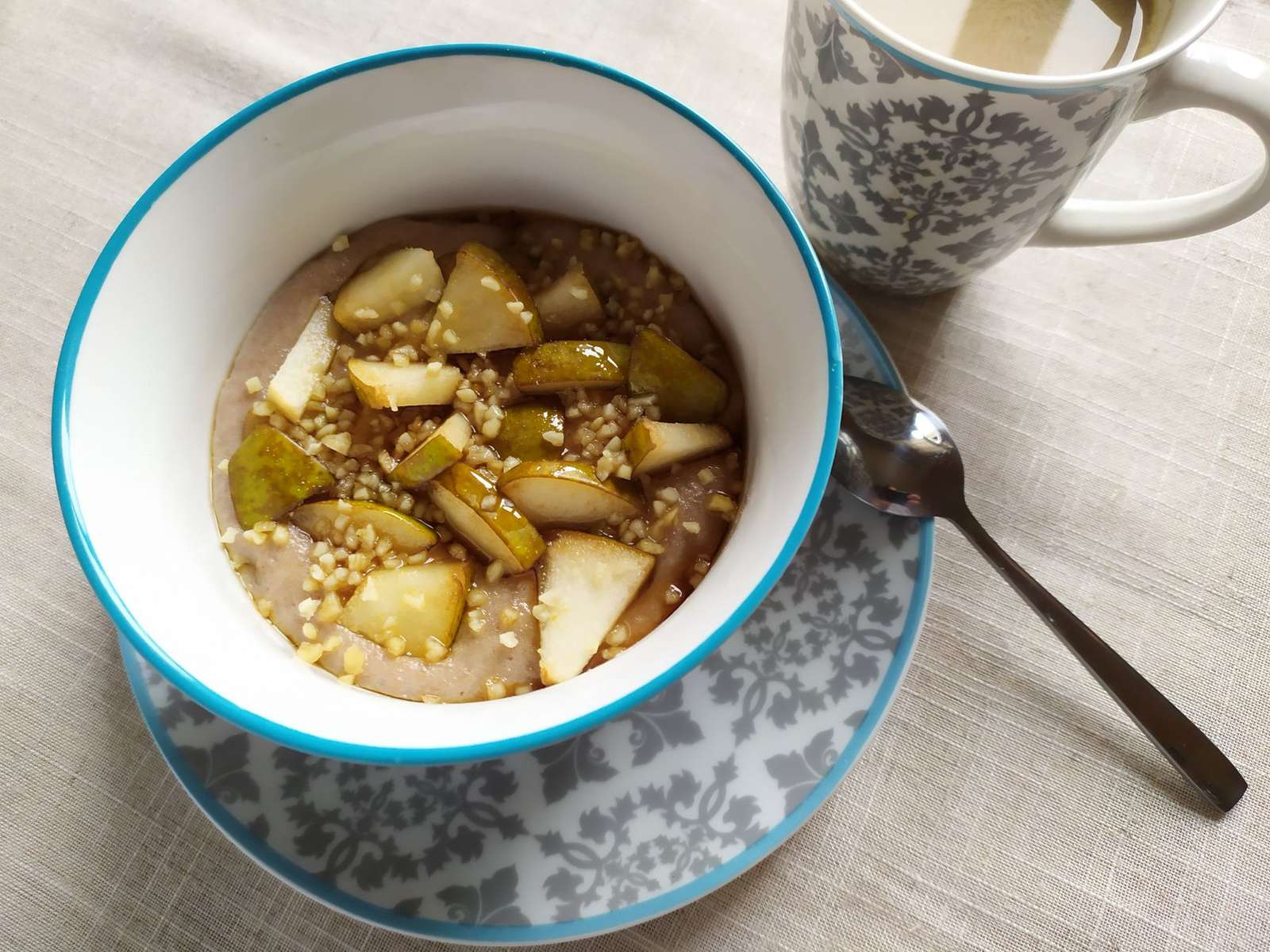
Toppings provide contrast. Toasted almonds, pumpkin seeds or coconut add crunch, while a spoonful of stewed apples brings fruit and a little tartness. Sesame lovers can pair a small bowl of porridge with a few sesame cookies on the side for a special weekend breakfast.
Making it ahead and adapting it
Porridge thickens as it cools. To reheat leftovers, add a splash of water or milk and warm the pot slowly, stirring until smooth. Cooked grain keeps in the refrigerator for a short time, and it should be cooled promptly and stored in a covered container.
Harvard notes that cooked oats “pair well with fruits, nuts, and seeds,” and that overnight oats are a no-cook alternative, soaked cold rather than simmered. That version is useful in summer or when time is short, though it is not the warm dish the tradition describes.
Broken wheat porridge takes longer than oats but has a chewy bite. Rice porridge, cooked with extra water until it collapses, is plainer and softer. Both can use the same ghee-and-spice start, and both take the same toppings.
Health notes
Oats contain beta-glucan, a soluble fiber. Harvard reports that “The primary type of soluble fiber in oats is beta-glucan, which has been researched to help slow digestion, increase satiety, and suppress appetite.” The same page is careful to note that evidence on oats alone is limited, and it points out that many studies looked at whole grains in general. A bowl of porridge is food, not medicine.
People who have a health condition, who are pregnant or who take medication should talk with a clinician before changing their diet or using herbs and supplements. NCCIH advises: “If you have a health condition, talk with your conventional health care provider before using Ayurvedic products.” This site is independent and informational. It is not affiliated with any cookbook author, publisher, clinic or product brand.
Frequently asked questions
Can I use water instead of milk?
Yes. Water gives a lighter porridge and keeps it dairy-free. The ghee and spices still supply plenty of flavor, and a small splash of milk stirred in at the end restores some creaminess.
Which grain gives the creamiest bowl?
Rolled oats and broken rice turn creamy fastest. Steel-cut oats stay chewier. Stirring more often in the last stage of cooking helps any of them become smoother.
Do I need ghee?
Ghee gives a nutty, rounded taste, but a neutral oil or butter will work. The spices still bloom in the fat, which is the point of the first step.
How can I stop the porridge from sticking?
Use a heavy-bottomed pot, keep the heat low once it simmers and scrape the bottom often. Adding liquid early is easier than rescuing a scorched pot.