
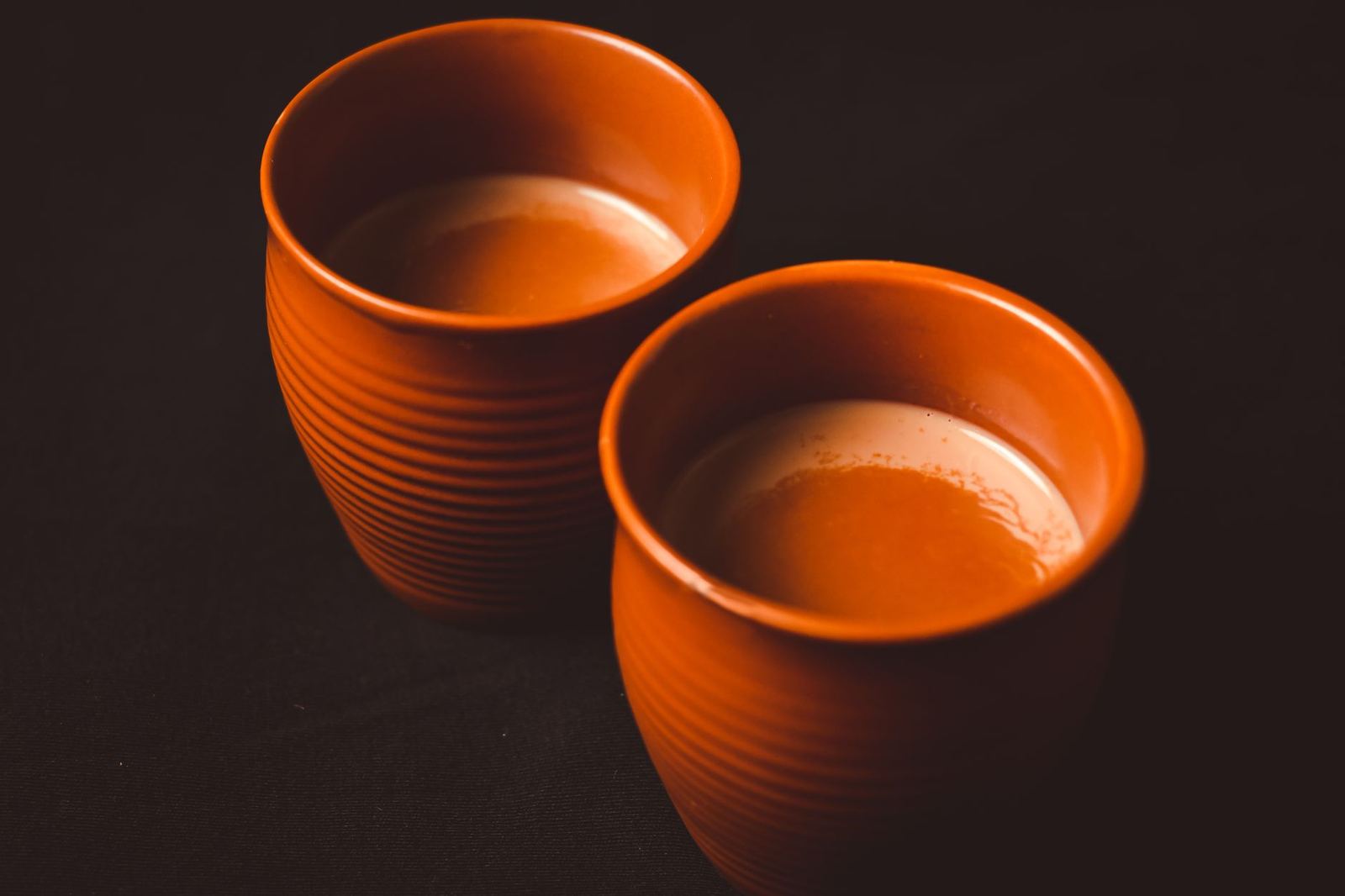
Homemade yogi tea is a spiced chai-style drink: whole cinnamon, cardamom, clove, ginger and black pepper are simmered in water, then milk is added and the pot is strained into mugs. It is a stovetop recipe that needs no special equipment.
It is one of the most flexible drinks among the ayurvedic recipes on this site, and the method below explains each step and how to change the blend to suit different tastes.
What spiced yogi tea is
This drink is a generic, homemade spiced tea, not a branded product. The idea is to simmer whole spices long enough that their flavor dissolves into the liquid, then finish with milk and a light sweetener. It is closely related to masala chai, and cooks vary the spice mix freely.
Spice-based drinks like this sit comfortably inside the Ayurvedic tradition, which NCCIH describes as one of the world’s oldest medical systems and one of India’s traditional health care systems. Ayurvedic treatment, in that description, combines products (mainly from plants), diet, exercise and lifestyle. Here the focus is on flavor and technique.
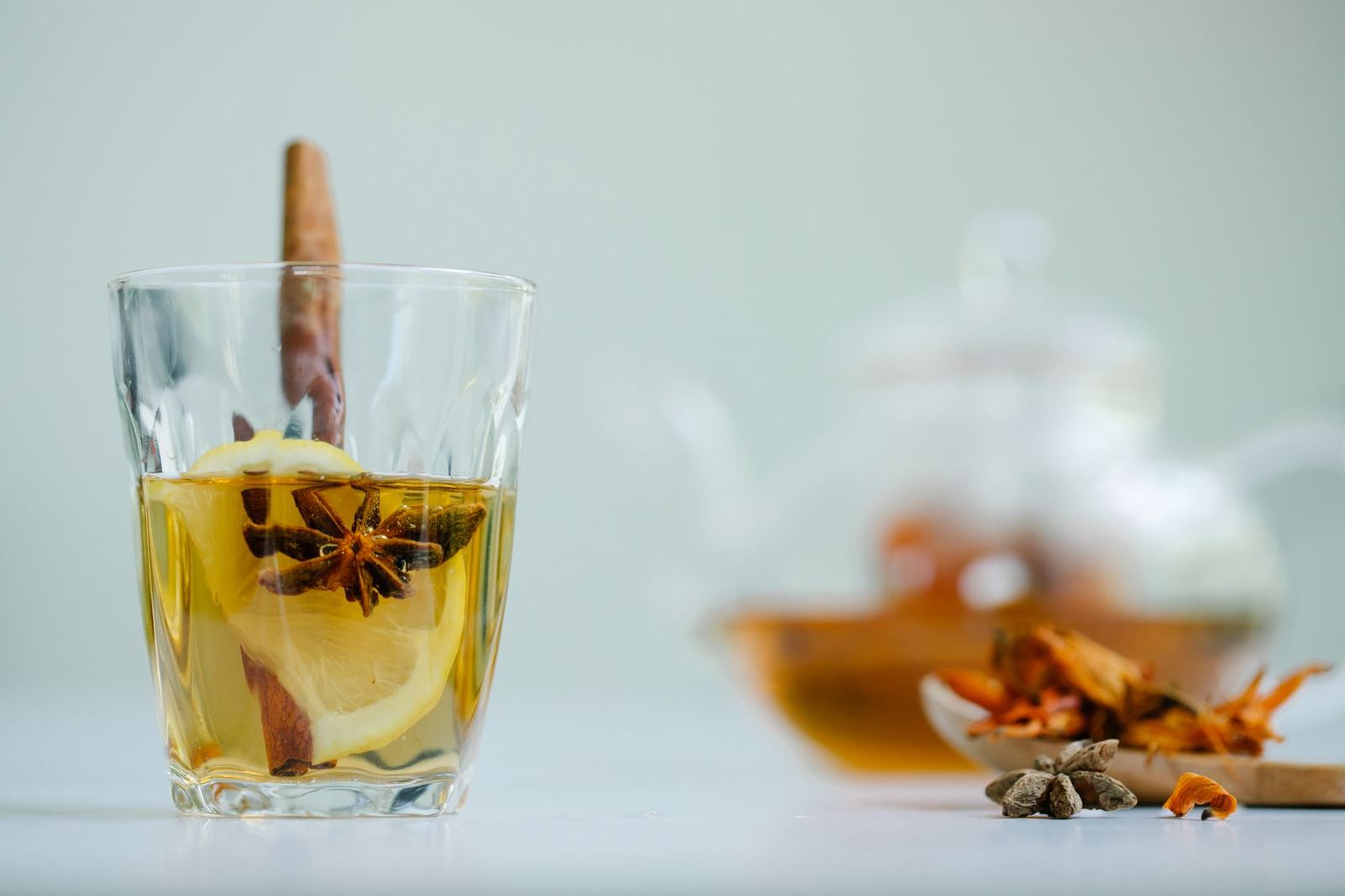
Ingredients for a pot of spiced tea
This makes a small pot that serves a few mugs. Amounts are described in words so that the blend can be adjusted by taste.
- Fresh water, enough to fill a medium saucepan well over half full.
- A few slices of fresh ginger, unpeeled and lightly bruised.
- A cinnamon stick, broken into pieces.
- A handful of green cardamom pods, cracked open with the flat of a knife.
- A few whole cloves.
- A few whole black peppercorns, lightly crushed.
- A spoonful of loose black tea leaves, or a few black tea bags (optional, see the caffeine note below).
- Milk, in roughly equal volume to the tea liquid for a creamy cup, or less for a lighter one.
- Honey, jaggery or unrefined sugar to taste.
Method: simmering the spices in water and milk
- Add the water, ginger, cinnamon, cardamom, cloves and peppercorns to the saucepan and bring to a boil over medium heat.
- Reduce the heat so the water bubbles gently, cover the pan partly and let the spices simmer until the liquid turns a pale amber and the kitchen smells strongly of cinnamon and clove. A longer simmer gives a stronger tea.
- If using black tea, add it now, turn off the heat and let it steep for a short time. Over-steeping makes the tea bitter.
- Pour in the milk and return the pan to the heat. Warm it until it is steaming and just beginning to rise, then lower the heat immediately so it does not boil over.
- Strain the tea through a fine sieve into mugs and discard the whole spices.
- Sweeten each mug to taste and serve hot.
Whole spices matter in this recipe. Ground spices turn the tea cloudy and gritty, whereas whole pieces release flavor steadily and strain out cleanly.
Adjusting the blend
The base recipe is a starting point. Small changes shift the character of the drink noticeably:
- Warmer and sharper: add more ginger and peppercorns.
- Sweeter and more floral: add extra cardamom and a strip of orange peel.
- Caffeine-free: leave out the black tea and simmer the spices directly in the milk and water mixture.
- Dairy-free: use oat or soy milk, added at the end and warmed gently so it does not separate.
- Fennel note: a pinch of fennel seeds in the water adds a soft licorice sweetness.
For another spiced milk drink with a very different flavor, the turmeric milk recipe relies on a single golden spice, and a cold, citrusy counterpart is the turmeric lemonade.
Ginger and what is known about it
Ginger is the backbone of the pot. It is native to the warm parts of Asia, and its rhizome is used in food and for health purposes. NCCIH notes that ginger has been used in folk medicine since ancient times, traditionally for conditions such as asthma, flu, indigestion and gastrointestinal discomfort.
Research is more limited than tradition. NCCIH says that research shows ginger may be helpful for nausea and vomiting associated with pregnancy, but it also points out that most of those studies tested dietary supplements rather than foods. A cup of simmered tea is therefore not the same thing as the supplements used in trials.
Ginger can cause side effects when taken orally, including abdominal discomfort, heartburn, diarrhea, and mouth and throat irritation. People who are taking medicine, who are pregnant or who have a health condition should talk with a clinician before changing their diet or using herbs and supplements.
A note on caffeine and milk
Spiced tea made with black tea contains caffeine, and sensitivity varies from person to person. The NHS advises drinking caffeine in moderation and says not to have more than 200mg of caffeine a day if pregnant. The caffeine-free version of this recipe, built only on spices and milk, avoids the issue completely.
Milk lends body and a soft sweetness that tempers the sharpness of the pepper and clove. Whole milk gives the richest cup, and the spice flavors carry well in plant milks too.
Choosing and preparing the spices
Whole spices should smell strong when rubbed or cracked. Cardamom pods are best cracked just before use so the seeds inside release their oils into the water. Cloves are potent, so a small number is enough; too many make the tea medicinal and numbing on the tongue. Cinnamon sticks that curl into layered quills are softer and sweeter than the hard, thick bark sold as cassia, though either works.
Bruising the ginger with the flat of a knife exposes more surface to the water, and leaving the skin on saves effort since the tea is strained anyway. Toasting the whole spices in the dry saucepan for a short time before adding the water deepens the aroma, but watch carefully, because spices scorch quickly and turn bitter.
Pots that are wide rather than tall let the liquid reduce slightly, which concentrates the flavor. Taste the spiced water before adding milk: if it seems faint, simmer it longer, since the milk will mellow it considerably.
Serving and keeping the tea
Serve the tea hot, ideally right after straining, when the aroma is strongest. It pairs well with plain biscuits, toasted bread or a handful of nuts in the morning or mid-afternoon.
The strained spiced water, before the milk goes in, keeps in the refrigerator for a short time and can be reheated with fresh milk when needed. Once milk is added, treat the tea like any other dairy drink: cool it promptly, keep it covered and cold, and finish it soon.
Frequently asked questions
Can the tea be made without black tea?
Yes. Simmer the spices in water, add milk, strain and sweeten. The result is a caffeine-free spiced milk drink with plenty of flavor.
Should the milk be added at the start or the end?
Adding it at the end gives better control. The spices infuse best in water, and the milk only needs to be warmed through so it does not scorch or boil over.
Can ground spices replace whole ones?
They can in an emergency, but the tea will be cloudier and may taste gritty. Whole spices give a cleaner, rounder flavor and strain out easily.
Is spiced tea a health drink?
It is a flavorful traditional drink. Research on individual spices such as ginger is limited, so it is best enjoyed as part of a varied diet and not as a treatment.