
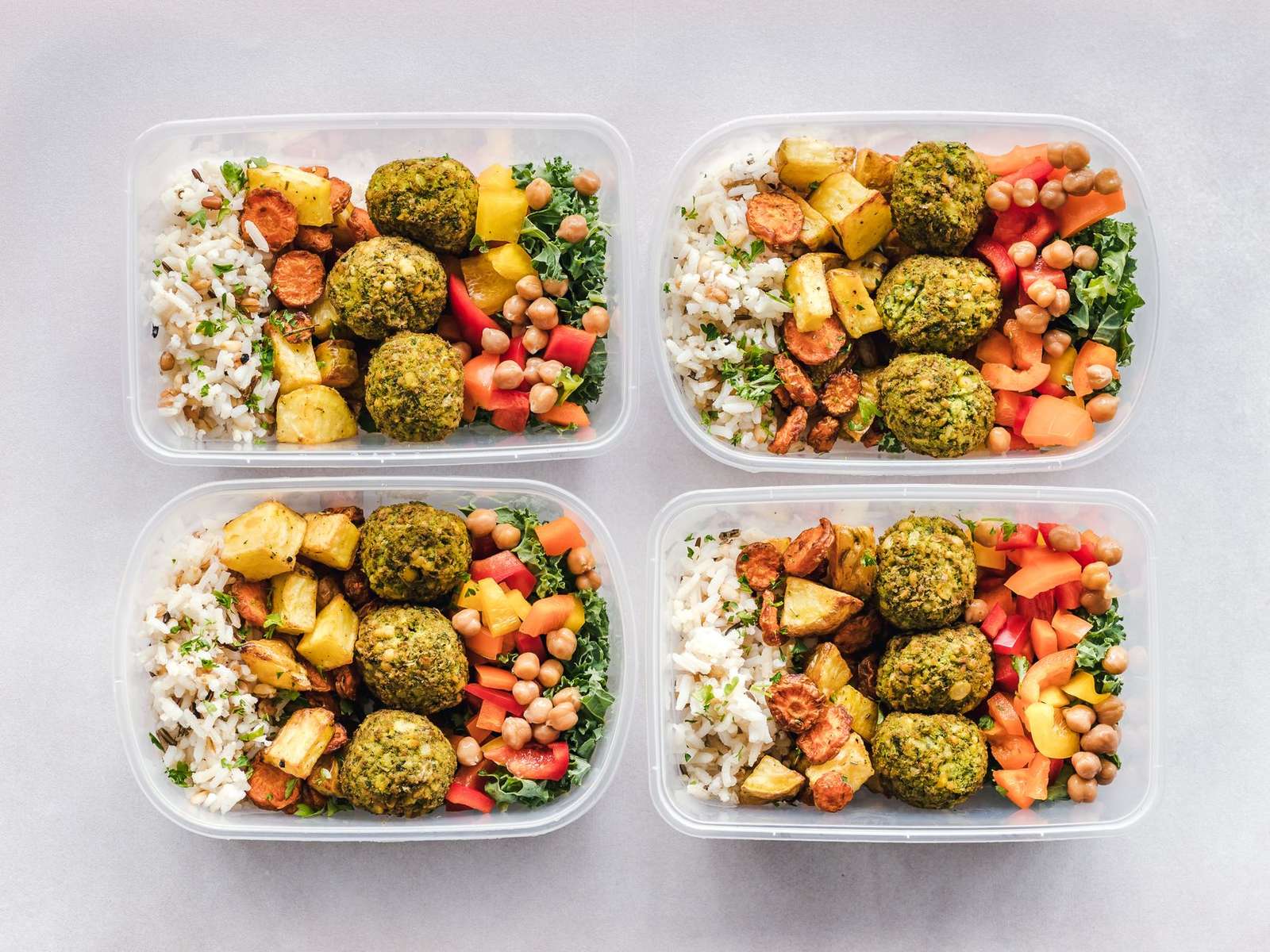
Vegetarian meal prep means planning meatless meals in advance and cooking some of the components in one session, so that dinners during the week need only assembly and reheating.
The idea sits comfortably inside vegetarian cooking as a whole: build balanced plates, keep flavours varied, and store food in a way that keeps it safe to eat.
What meal prep actually is
Meal preparation, often shortened to meal prep, is described as the process of planning and preparing meals while pre-packaging them to be eaten throughout the week. Prepared food is usually kept in containers that are labelled and dated, which makes it easy to see what should be eaten first.
For a vegetarian kitchen the idea is the same, with plant foods at the centre. A vegetarian diet does not include any meat, poultry or seafood, and it is built mostly from vegetables, fruits, whole grains, legumes, seeds and nuts. Depending on the type, it may include eggs and milk. A well-planned vegetarian diet can meet nutrition needs, and the planning part is exactly what a weekly prep session supports: deciding in advance where protein, iron and vitamin B12 will come from instead of improvising each evening.
There is no single correct format. Some cooks portion complete meals into individual containers. Others prefer to cook separate building blocks, such as a pot of grain, a tray of roasted vegetables, a pot of beans or lentils and a jar of sauce, and combine them differently each day. The second approach tends to be more flexible and keeps meals from tasting identical by the fourth day.
Planning the week around a balanced plate
Good prep begins on paper. Public health guidance does not ask for perfect balance at every sitting. The NHS advice for vegetarians says the balance does not have to be achieved with every meal, but should be right over a day or even a week. That gives a prep cook room to plan at the level of the whole week rather than agonising over each container.
A few planning anchors help:
- Vegetables: the NHS suggests at least 5 portions of fresh, frozen, canned, dried or juiced fruit and vegetables a day, with a portion generally being 80g. Frozen and canned vegetables count, so they are legitimate shortcuts on a busy prep day.
- Starchy base: rice, other wholegrains, bread or potatoes supply energy and keep well when cooked and chilled in batches.
- Pulses: beans, peas and lentils are a low-fat source of protein, fibre, vitamins and minerals, and they count as a portion of vegetables. They are also among the cheapest and most storable items on the list.
- Dairy or alternatives, eggs, tofu, nuts and seeds: these round out the protein and calcium sources.
- Variety: the NHS notes that a mix of different protein sources is needed to get the right mixture of amino acids, and Harvard’s Nutrition Source advises eating a variety of types and colours of produce to give the body the mix of nutrients it needs.
The NHS also points out that vegetarians need to make sure they get enough iron and vitamin B12. A weekly menu is a convenient place to check that lentils, dark green vegetables, fortified foods, dairy or eggs actually appear on the plan. Anyone with a medical condition, who is pregnant or who takes medication should talk to a clinician or dietitian before making major changes to how they eat.
Building blocks that keep well
Not every dish suits advance cooking. The most reliable candidates are foods that stay pleasant after cooling and reheating: cooked grains, braised or stewed pulses, soups, dals, curries built on a vegetable base, and roasted vegetables. A tray of roasted root vegetables is a classic prep item because it works warm as a side, cold in a salad or stirred into a grain bowl.
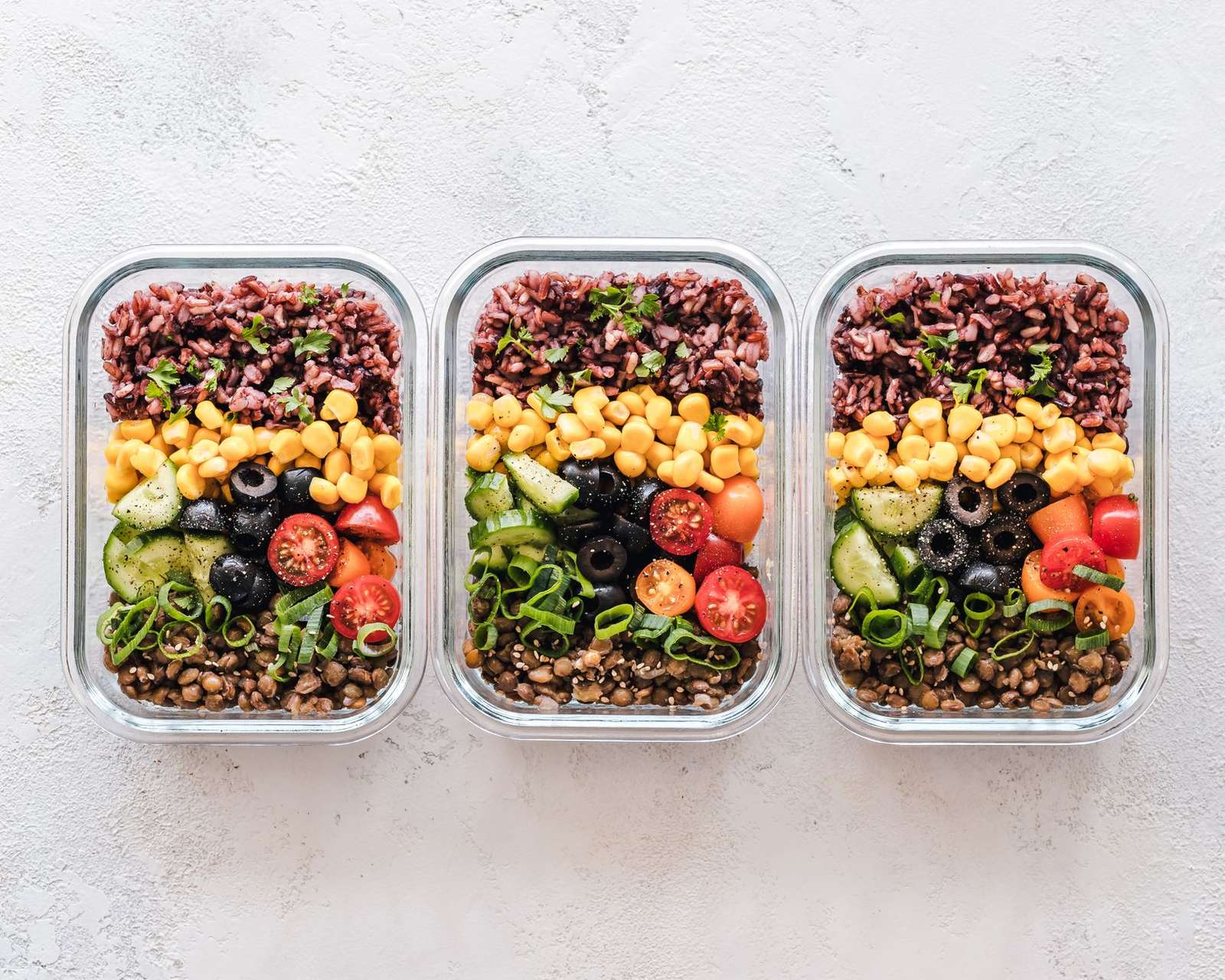
Delicate items are best finished on the day. Fresh herbs, crisp salad leaves, lemon juice and quickly sautéed greens lose their charm in a container. Keep them separate and add them at the table. A sauce, chutney or spiced oil made ahead can bring a plain bowl of grain and vegetables back to life.
Seasoning is where the Ayurvedic angle can enter. The National Center for Complementary and Integrative Health describes Ayurveda as one of the world’s oldest medical systems and one of India’s traditional health care systems, in which treatment combines products, diet, exercise and lifestyle. In the kitchen, that tradition shows up as spiced fats poured over lentils and vegetables near the end of cooking. The technique of tadka is well suited to prep: the grain and pulses are cooked ahead, and a small pan of tempered spices is made fresh when a portion is reheated, which restores aroma that would otherwise fade in the refrigerator.
A batch-cooking session, step by step
The order of work matters more than speed. The aim is to keep the oven, the stove and the cutting board busy at the same time and to finish with food that can cool quickly. This sequence suits a vegetarian week built from separate components.
- Write the menu and the shopping list, then check the refrigerator and pantry so nothing is bought twice.
- Wash and cut all the vegetables first. Sort them by how long they take to cook, so hard roots go on a tray first and quick-cooking vegetables are held back.
- Start the longest-running item first, usually the roasting tray or the pot of pulses, because both can look after themselves.
- While those cook, put the grain on to cook in a separate pot and prepare any sauce or dressing.
- Cook any stovetop dish, such as a vegetable curry or soup, while the oven works.
- Divide hot food into shallow containers as soon as it comes off the heat, instead of leaving it in the cooking pot.
- Cool the containers briefly, then cover, label with the date and refrigerate or freeze.
Cleaning as you go is part of the method. A cutting board that held raw vegetables is easy to rinse between tasks, and a tidy counter makes the cooling step quicker.
Cooling, storing and reheating safely
Advance cooking brings a food-safety obligation that same-day cooking does not. The US Department of Agriculture’s Food Safety and Inspection Service explains that bacteria grow rapidly between the temperatures of 40°F and 140°F. Cooked food therefore should not sit around: within 2 hours of cooking, leftovers must be refrigerated.
The same guidance says how to cool food quickly. Divide large amounts of food into shallow containers, and avoid leaving a big pot to cool on its own. A large pot of soup takes a long time to cool, which gives bacteria time to multiply and increases the danger of foodborne illness. Once portioned, cover the food, wrap it in airtight packaging or seal it in storage containers. That keeps bacteria out, retains moisture and stops food picking up odours from other items in the refrigerator.
Storage times are shorter than many people assume. Leftovers can be kept in the refrigerator for 3 to 4 days or frozen for 3 to 4 months. A weekly prep plan should therefore either freeze the portions meant for the later days of the week, or split the cooking into two shorter sessions. Frozen food is safe indefinitely, though it can lose moisture and flavour if stored for a long time.
When it is time to eat, the same agency notes that safe ways to thaw leftovers include the refrigerator, cold water and the microwave oven. Reheat until the food reaches 165°F as measured with a food thermometer, and bring sauces, soups and gravies to a rolling boil. Cover the food while it reheats to hold in moisture and help it heat through.
Fixing the common problems
Soggy vegetables usually come from packing steaming food into a sealed container. Let the steam escape for a short while before the lid goes on, within the time limit above. Rice and grains can turn hard in the refrigerator, and a splash of water and a covered reheat usually restores them.
Monotony is the other typical failure. Cooking components rather than finished dishes helps, as does varying the finishing touches: a squeeze of citrus, a spoon of chutney or a fresh tempering of spices. Keeping a small stock of sauces and pickles at hand gives each container a different identity without extra cooking.
Finally, prep should not become a source of stress. Food that is cooked ahead is a convenience, not a rulebook. If a week is too busy for a full session, cooking just one pot of pulses and one tray of vegetables already shortens every dinner.
Frequently asked questions
How long does prepared vegetarian food keep in the refrigerator?
Leftovers can be kept in the refrigerator for 3 to 4 days, according to USDA guidance. Anything intended for later in the week is better frozen.
Can prepared meals be frozen?
Yes. Leftovers can be frozen for 3 to 4 months and remain safe indefinitely, though quality drops with long storage. Thaw in the refrigerator, in cold water or in the microwave.
Do frozen vegetables count when planning meals?
Yes. The NHS says fresh, frozen, canned, dried or juiced fruit and vegetables can all count towards the daily portions, so frozen vegetables are a practical choice for prep.
Which nutrients need extra attention on a vegetarian menu?
The NHS highlights iron and vitamin B12. A clinician or dietitian can advise anyone with a health condition, who is pregnant or who takes medication.