
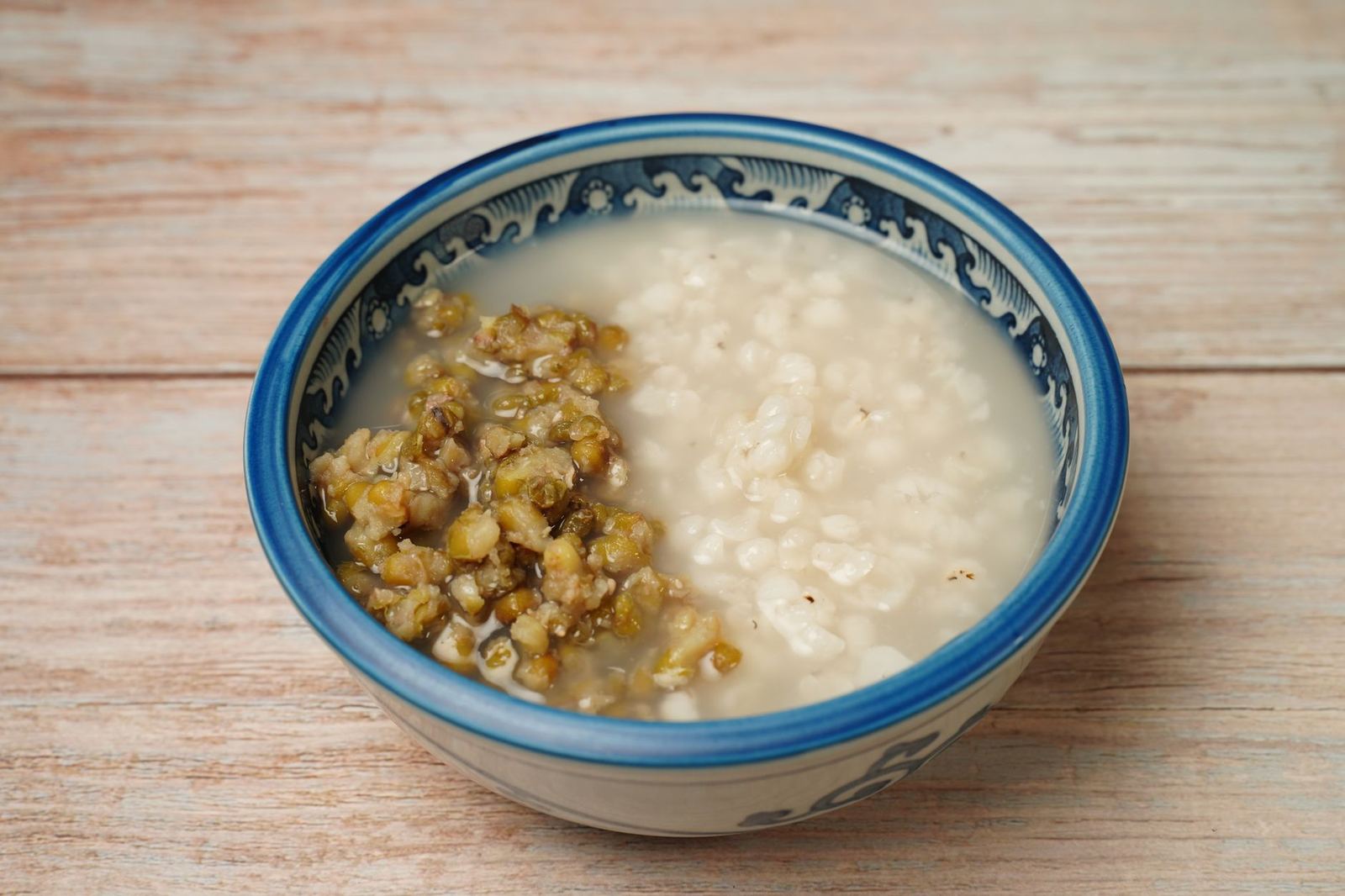
A kichari recipe is a soft, one-pot dish of rice and split mung beans simmered with ginger, cumin and turmeric, then finished with spiced ghee. It is a staple of Indian home cooking and the Ayurvedic kitchen.
It is one of the core dishes in the wider collection of ayurvedic recipes on this site, and the method below is an original write-up using ordinary pantry staples.
What kichari is and why it is so common
Kichari, also spelled khichdi or khichri, is a simple pot of grain and pulses cooked until the two nearly melt together. Its texture sits somewhere between a porridge and a loose pilaf, and its flavor is mild and savory. Because the ingredients are cheap, store well and need only one pot, the dish is made across India in many versions, from plain bowls given to young children to richer festival pots with vegetables and nuts.
In Ayurvedic tradition the dish is associated with easy, warming, unfussy eating. The National Center for Complementary and Integrative Health explains that “Ayurvedic treatment combines products (mainly derived from plants, but may also include animal, metal, and mineral), diet, exercise, and lifestyle.” Kichari belongs to the diet strand of that tradition: a dish valued for its simplicity rather than for any proven effect. The same agency notes that “Ayurvedic medicine is one of the world’s oldest medical systems and remains one of India’s traditional health care systems.” The dish is best understood as traditional food, not therapy, and the recipe below is written as a cooking guide only.
The nutritional logic is straightforward. Rice supplies starch and mung beans supply plant protein and fiber. Harvard’s Nutrition Source describes legumes as “an inexpensive source of protein, vitamins, complex carbohydrates, and fiber,” which is a fair description of what split mung beans add to the pot. The Nutrition Source page on legumes and pulses has more detail on how pulses fit into a balanced diet.
Ingredients for a basic pot
The base needs only a few things. The proportions below are described in words, so the pot can be scaled up or down and adjusted to taste.
- Basmati or another long-grain white rice, rinsed until the water runs mostly clear
- Split yellow mung beans (mung dal), rinsed and, if time allows, soaked briefly, in roughly equal measure to the rice
- Plenty of water, because the dish is meant to be soft and loose rather than dry
- Ghee, or a neutral oil for a dairy-free version
- Whole cumin seeds and a few black mustard seeds
- Fresh ginger, grated or cut into thin matchsticks
- Ground turmeric and a little ground coriander
- Salt, added toward the end of cooking
- Optional vegetables such as carrot, zucchini, spinach or peas, cut small so they soften with the grain
- Fresh cilantro and a squeeze of lemon to finish
Split yellow mung beans are the usual choice because they cook quickly and break down into a creamy base without needing a long soak. Whole green mung beans can be used instead, but they take noticeably longer and benefit from soaking first. Harvard’s guidance on beans in general says that “Soaking dried beans for at least three hours and cooking them may help decrease this side effect,” referring to gas and bloating, so it is sensible to soak whole beans ahead of time and optional but helpful for split ones.
Method, step by step
The whole process takes place in a single heavy-bottomed pot with a lid, which keeps the heat even and makes cleanup simple. Read through the steps once before starting, since the spice stage moves quickly.
- Rinse the rice and the split mung beans together in a bowl of cool water, swirling and draining until the water is only slightly cloudy. If soaking, leave them in fresh water for a while, then drain.
- Heat a spoonful of ghee in the pot over medium heat until it shimmers. Add the cumin and mustard seeds and wait for the mustard to crackle and the cumin to smell toasty.
- Stir in the grated ginger for a few moments, then add the turmeric and coriander. Keep the spices moving so they do not scorch.
- Tip in the drained rice and beans and stir for a minute so every grain is coated in the spiced fat.
- Pour in plenty of water, several times the volume of the rice and beans together, and bring the pot to a boil.
- Reduce the heat to low, partly cover the pot and let it simmer. Skim off any foam that rises, and stir occasionally from the bottom so nothing catches.
- Add the chopped vegetables once the grains begin to soften, if using them. Continue cooking until the rice and beans have broken down into a thick, creamy stew.
- Season with salt, adding a splash of hot water if the pot has become too thick. The finished texture should fall easily from a spoon.
- Finish with another spoonful of ghee, chopped cilantro and a squeeze of lemon, then serve hot in shallow bowls.
A pressure cooker shortens the process considerably, and an electric multicooker can handle the same sequence of tempering then simmering. Follow the manufacturer’s instructions for either: do not fill a pressure cooker past its maximum fill line (rice and pulses expand and foam, so many manufacturers advise a lower limit for them), and release pressure as the manual directs. The dish thickens as it rests.
Variations to suit the season
Because the base is so mild, kichari adapts easily. In cooler weather, a little extra ginger and a pinch of black pepper make it more warming. In summer, a lighter version uses more water, extra cilantro and a squeeze of lime, and it can be cooked with soft, watery vegetables such as bottle gourd or zucchini. A thicker, drier pot that holds its shape is closer to a pilaf, and it suits a packed lunch.
Vegetables can be swapped freely. Carrots, pumpkin and sweet potato add sweetness, spinach and other greens add color, and cauliflower and peas add bite. Sweeter and more pureed vegetable soups sit well alongside it on the table, for example a bowl of carrot ginger soup served first, followed by the rice and bean stew.
For a protein-rich plate or a more textured meal, kichari pairs well with a pot of lentils. A spiced ayurvedic dal alongside the rice makes a fuller dinner, and plain yogurt, a simple pickle or a fresh cucumber salad rounds it out.
Turmeric, ginger and what the research says
Turmeric and ginger give kichari its color and its gentle heat, and both have a long place in traditional food cultures. The NCCIH notes that “Historically, turmeric has been used in Chinese, Indian (e.g., Ayurvedic), Islamic, and Thai traditional medicine systems.” Its summary of the research is cautious: “We don’t know enough to definitively conclude if turmeric or curcumin is beneficial for any health purposes.” Turmeric in a pot of rice is a flavoring, and the evidence discussed on the NCCIH turmeric page concerns supplements and concentrated curcumin products, not a spoonful of spice in a family meal.
The ginger story is similar. The agency writes that “Ginger has been used in folk medicine since ancient times,” and that ginger “can have side effects such as abdominal discomfort, heartburn, diarrhea, and mouth and throat irritation when taken orally.” Cooking amounts of fresh ginger are ordinary food use, and the NCCIH ginger page covers the supplement research in more depth.
Anyone who has a health condition, is pregnant or nursing, or takes medication should talk with a clinician before changing their diet or adding herbs and supplements. The NCCIH puts it plainly: “If you have a health condition, talk with your conventional health care provider before using Ayurvedic products.” Kichari is food, but that general principle applies to any significant dietary change, and it is especially relevant for strict mono-diets built around a single dish.
Storing and reheating leftovers
Kichari thickens as it cools, and leftovers keep best when cooled quickly, covered and refrigerated promptly rather than left on the counter. Cooked rice and pulses are among the foods where careless storage matters, so local food-safety guidance on cooling and reheating times is worth following. To reheat, add a splash of water, warm the pot slowly while stirring and make sure the dish is steaming hot all the way through before serving. A little fresh ghee and lemon juice stirred in at the end revive the flavor.
Plain, unspiced kichari also freezes in portions, though the texture softens a little on thawing. Fresh herbs and lemon are best added after reheating rather than before storage.
This site is an independent informational resource, not affiliated with or endorsed by any cookbook author, publisher, Ayurvedic school, clinic, practitioner or product brand.
Frequently asked questions
Can kichari be made without ghee?
Yes. A neutral oil or coconut oil works for the tempering, and the dish stays vegan if no dairy is added at the end.
Which mung beans work best?
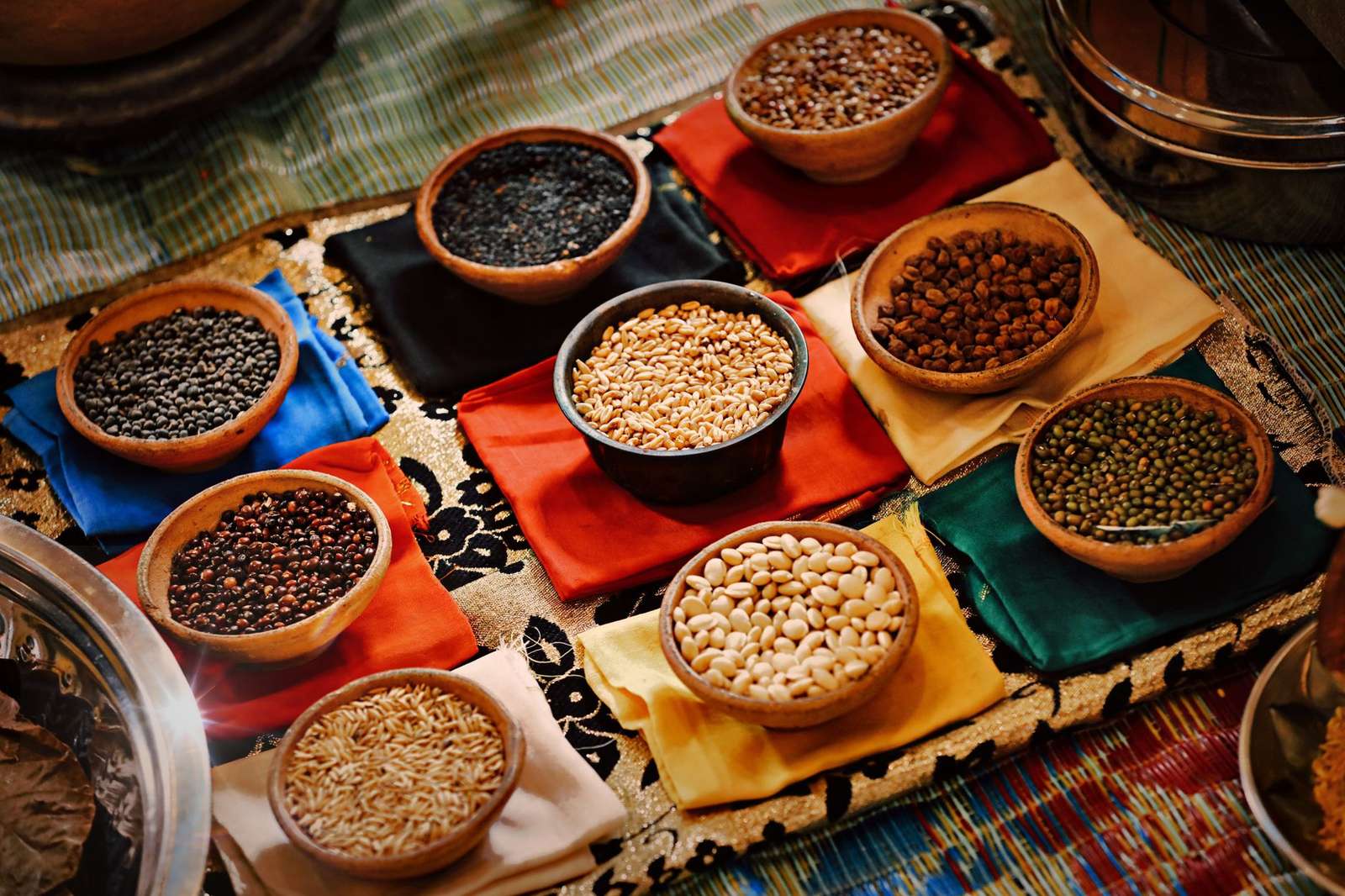
Split yellow mung beans cook the fastest and give a creamy result. Whole green mung beans give a more textured pot but need soaking and a longer simmer.
Is kichari a treatment for any condition?
No. It is a traditional comfort dish, and nothing in the research summarized above shows that it treats or prevents illness. Speak with a clinician for medical questions.
Can the dish be made in a pressure cooker?
Yes. Temper the spices in the open cooker, add the rinsed grains and water, keeping well below the cooker’s maximum fill line because rice and split pulses expand and foam, then seal and cook until the grains are completely soft. A little fat helps reduce foaming, and pressure should be released as the manufacturer’s manual directs before opening.