
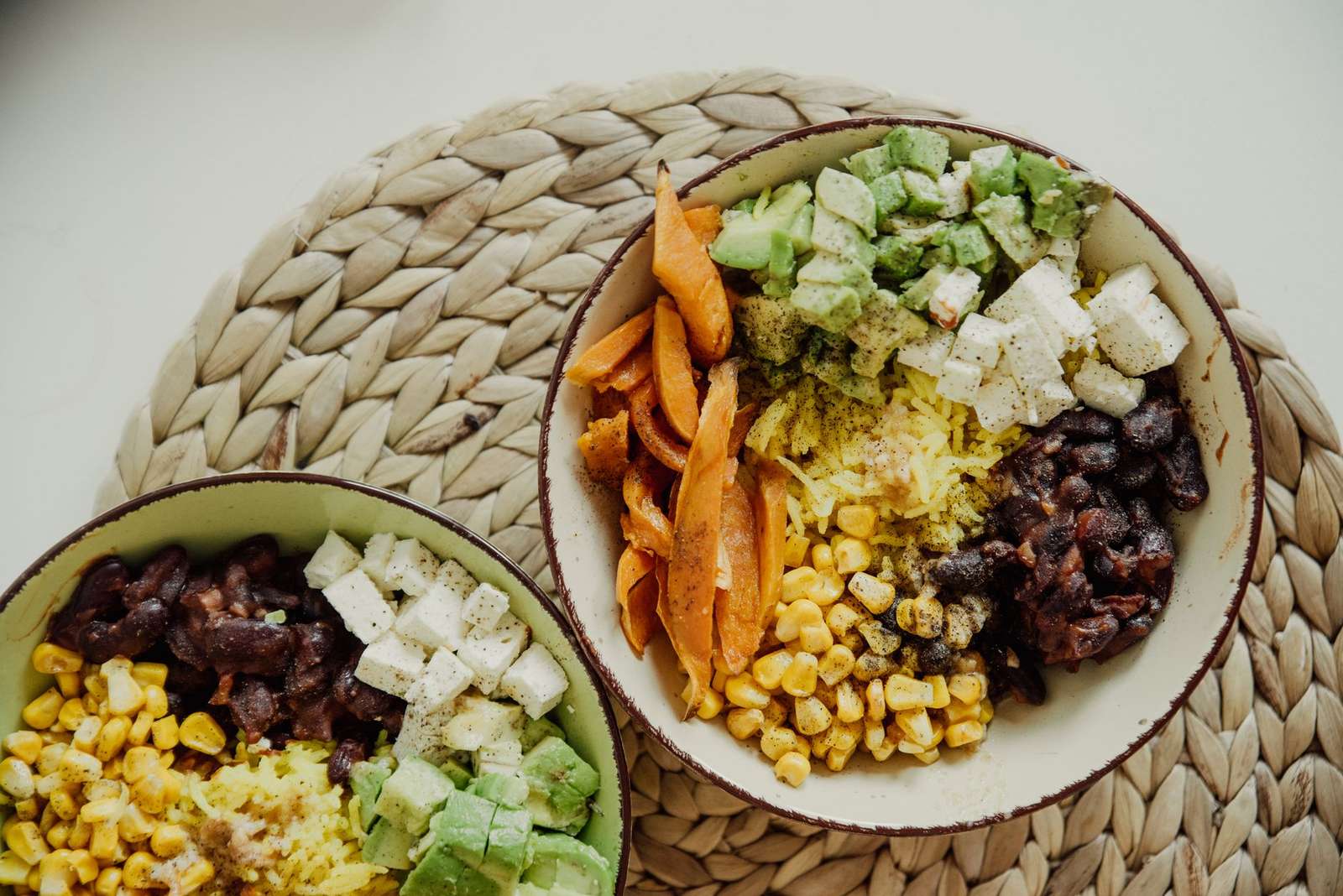
Vegetarian cooking builds meals around vegetables, legumes, grains, nuts and seeds, with dairy and eggs for some eaters. A well-planned version can meet nutrition needs, and technique matters as much as the ingredient list.
This page is the hub for the Vegetarian Cooking section of an independent recipe and kitchen-notes site. Each guide it links to goes deeper on a single dish, ingredient or nutrient, and the rest of this page explains how the pieces fit together.
What vegetarian cooking covers
A vegetarian diet leaves out meat, poultry and seafood. MedlinePlus describes it as a meal plan made up of foods that come mostly from plants, and it separates several styles that differ mainly in whether dairy products and eggs are included. The differences matter in the kitchen, because they decide which fats, binders and protein foods a cook can reach for.
| Style | What it includes |
|---|---|
| Vegan | Only plant-based foods |
| Lacto-vegetarian | Plant foods plus some or all dairy products |
| Lacto-ovo vegetarian | Plant foods, dairy products and eggs |
The definitions in the table come from the MedlinePlus vegetarian diet entry.
Most of the recipes on this site sit in the lacto-vegetarian group, since ghee, yogurt, milk and fresh cheese appear often in the cooking traditions it covers. Every recipe can be adapted, though, and the notes in each guide mention plant-based swaps where they work.
Building a balanced meatless plate
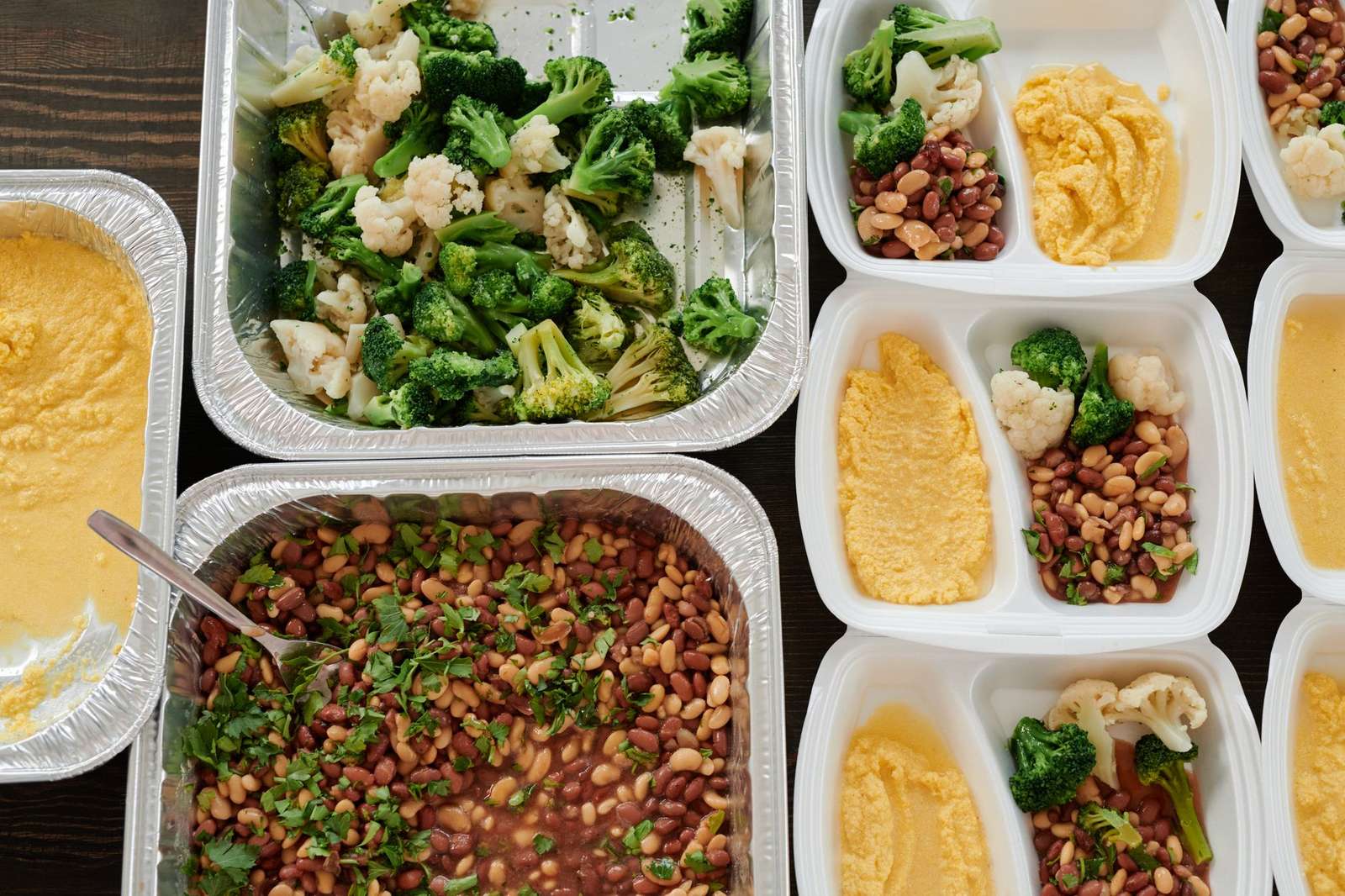
The Harvard T.H. Chan School of Public Health describes its Healthy Eating Plate as a guide for creating healthy, balanced meals, whether served at the table or packed in a lunch box. Its advice translates directly to meatless cooking. Vegetables come first, and the guidance is that the more vegetables, and the greater the variety, the better. Whole grains, healthy protein foods and healthy oils fill out the rest.
The same guidance names beans and nuts among the healthy protein choices and says they can be mixed into salads and pair well with vegetables on a plate. For cooking oils, it recommends healthy vegetable oils such as olive and canola oil, used for cooking, on salad and at the table.
In practice, a balanced meatless meal usually has four working parts:
- A large portion of vegetables, cooked in more than a single way so the plate has contrast.
- A whole grain or a good flatbread to carry sauces and fill the meal out.
- A protein anchor such as lentils, chickpeas, tofu, paneer, eggs or yogurt.
- A fat and a flavor layer, such as ghee or oil, toasted spices, fresh herbs, acid and salt.
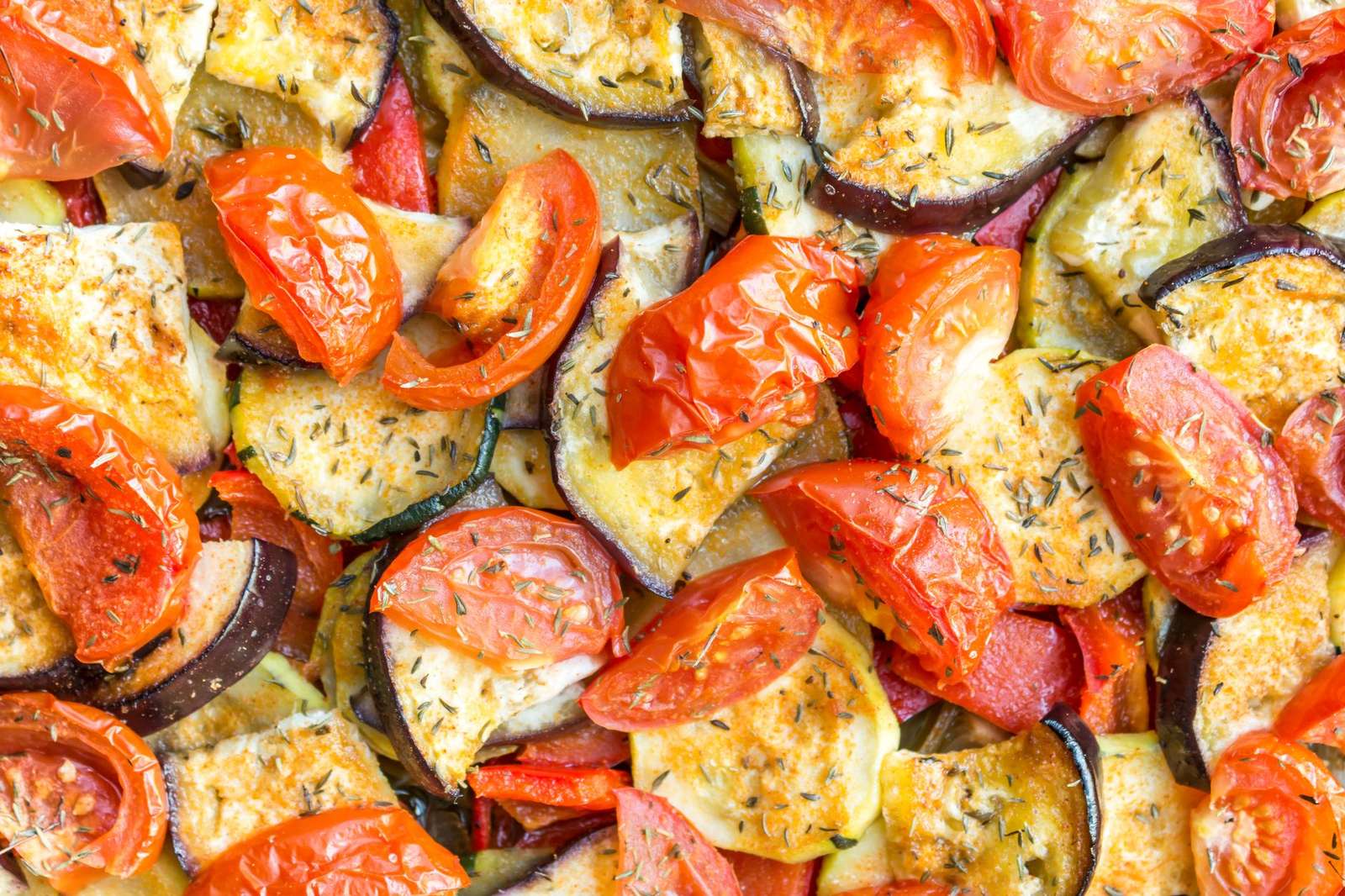
Vegetables carry the most weight in that list, so technique matters there first. A tray of roasted root vegetables brings caramelized edges and sweetness, while a quick vegetable stir fry keeps color and snap. Serving both in a single week gives the meals different textures even when the same vegetables appear.
Texture is the part of balance that nutrition tables miss. A plate that is soft all over feels unfinished, however well it scores on paper. Adding something crisp, such as toasted seeds, crunchy raw vegetables or pan-seared tofu, and something creamy, such as yogurt, tahini or a spoon of ghee, makes a simple meal feel complete. Fresh herbs and a wedge of lemon add lift at the end.
Seasonal produce helps as well. Vegetables bought in season tend to be cheaper and tastier, and a cook who builds meals around whatever looks best that week rarely gets bored. Hardy winter greens suit long cooking and sturdy salads, while summer vegetables suit quick pan work and raw preparations.
Protein in a meatless kitchen
MedlinePlus states plainly that it is easy to get plenty of protein even without animal products. Its list of sources runs through soy foods such as tofu and tempeh, legumes, beans and lentils, nuts, nut butters, seeds and whole grains, and dairy products for those who eat them. It also advises including a protein source with all meals, and it adds that these foods do not need to be combined at the same meal to meet protein needs.
The Harvard Nutrition Source says that those who abstain from animal-based foods can eat a variety of protein-containing plant foods each day to get all the amino acids needed to make new protein. A longer treatment of the idea sits in the guide to vegetarian protein sources, which compares legumes, soy foods, dairy, grains and seeds.
Legumes and pulses
The NHS notes that pulses include beans, peas and lentils and are particularly important for people who do not get protein from meat, fish or dairy products. Lentils are the quickest to cook because they need no soaking, and the guide on how to cook lentils covers red, green, brown and black varieties and what each one is best for. Dried chickpeas take longer but repay the effort, and the notes on chickpea recipes compare dried and canned versions.
Soy foods
The Harvard Nutrition Source calls soy a nutrient-dense source of protein that can safely be consumed several times a week, and it notes that soy foods are rich in nutrients including B vitamins, fiber, potassium and magnesium. Whole soy foods such as tofu and soybeans are the ones it points to first. Tofu has little flavor of its own, which is an advantage: it takes up whatever seasoning it meets. The method for pressing, seasoning and crisping it appears in the guide to tofu tacos.
Dairy and eggs
For lacto-vegetarian and lacto-ovo vegetarian cooks, fresh cheese is a flexible protein food. Making homemade paneer requires only milk and an acid, and the result slices, cubes and crumbles well. Yogurt, milk and eggs also round out breakfasts and sauces.
Nutrients that deserve attention
MedlinePlus says that a well-planned vegetarian diet can meet nutrition needs, and it also says that people who follow a vegetarian diet need to make sure they get proper nutrition. The more restrictive the diet, the harder it can be to get certain nutrients. The NHS singles out iron and vitamin B12 for vegetarians in particular. This section covers the short version, and the linked guides cover the detail.
Iron
The NHS reports that vegetarians are more likely to have lower iron stores than people who eat meat, and MedlinePlus explains that the body does not absorb the type of iron in plant foods as well as the type in meat and other animal foods. Both sources name pulses, dark green vegetables, dried fruit, whole grains and fortified cereals among the iron sources. MedlinePlus adds a practical cooking tip: eating foods high in vitamin C at the same meal as iron-rich foods increases iron absorption, and it lists tomatoes, citrus fruits, bell peppers and strawberries among the vitamin C foods. A squeeze of lemon over a lentil dish does real work. More detail is in the guide to an iron vegetarian diet.
Vitamin B12
MedlinePlus reports that eggs and dairy foods have the most B12, so people who follow a vegan diet may have a hard time getting enough. It also lists fortified foods, such as cereal and soy products, and nutritional yeast. The page on vitamin B12 vegetarian sources explains where it comes from and when a clinician should be asked about it.
Calcium and others
For calcium, MedlinePlus lists dairy products, green vegetables such as collard greens, kale, bok choy and broccoli, tofu, almonds, sunflower seeds, tahini and white beans. It warns that oxalates in some plant foods inhibit calcium absorption, so foods high in both oxalates and calcium are not good calcium sources, and it names spinach, Swiss chard and beet greens as examples. The NHS likewise lists green leafy vegetables and calcium-set tofu. Zinc, vitamin D and the omega fatty acids are also on the MedlinePlus list of nutrients to plan for, and the page advises working with a dietitian on a more restrictive diet.
Fortified foods are one route to several of these nutrients. MedlinePlus advises choosing fortified foods such as cereals, breads, soy or almond milk and fruit juices to get a full range of nutrients, and it says that if a diet lacks certain vitamins and minerals, supplements may be needed. Which supplement, and how much, is a question for a clinician, since needs vary by age, health and diet.
The practical lesson is variety. A week that rotates legumes, soy foods, dairy, whole grains, nuts, seeds and plenty of green vegetables covers more ground than a week that repeats the same few dishes, and it keeps the cooking interesting as well.
Anyone who is pregnant or breastfeeding, who has a health condition, who takes medication, or who is planning a significant change in diet should talk to a doctor or registered dietitian first. MedlinePlus lists pregnant or breastfeeding women, teens, older adults and people with some chronic illnesses among the groups who may need to plan carefully.
Techniques that carry flavor
Meatless cooking leans on technique to replace the depth that meat gives, and three habits do most of the work.
- Browning. Roasting, searing and stir-frying develop caramelized flavor on vegetables, tofu and paneer.
- Layering aromatics. Onion, garlic and ginger cooked slowly at the start of a dish give a base that carries through to the finished pot.
- Finishing with acid and fresh herbs. Lemon, lime, vinegar and yogurt brighten a dish, and herbs added at the end keep their color.
Heat management is the next skill. Vegetables stir-fried in a crowded pan steam instead of browning, so cooking in batches or using a wider pan pays off. Legumes simmered hard can split and turn to mush, and a gentle bubble keeps them intact. Flatbreads and tofu both behave best on a properly hot surface. None of this needs special equipment, only attention to the pan.
Salt and acid decide whether a plain pot of vegetables tastes bland or finished. Seasoning in stages, a little at the start and a final adjustment at the end, gives better results than a single heavy hand late in the cooking. Tasting before serving is the single most useful habit in the kitchen.
In Indian-style cooking, the most compact version of the second habit is tadka, in which whole or ground spices are bloomed in hot fat and poured over a finished dish or used to start one. A simple pot of lentils changes completely with a spoonful of well-made tempering.
A base of onion, spices and tomato also underlies most vegetable curry dishes, and the same approach works with whatever vegetables are in season. Greens get their own treatment in the saag recipe, which cooks spinach and other leaves down into a thick, spiced dish.
Healthy fats are part of the picture, too. Ghee, olive oil and sesame oil each bring a different flavor, and cooking oils receive more attention in other sections of this site. Readers curious about how the Ayurvedic tradition frames fats, spices and meal structure can start with the hub on ayurvedic cooking.
Staples and recipes to start with
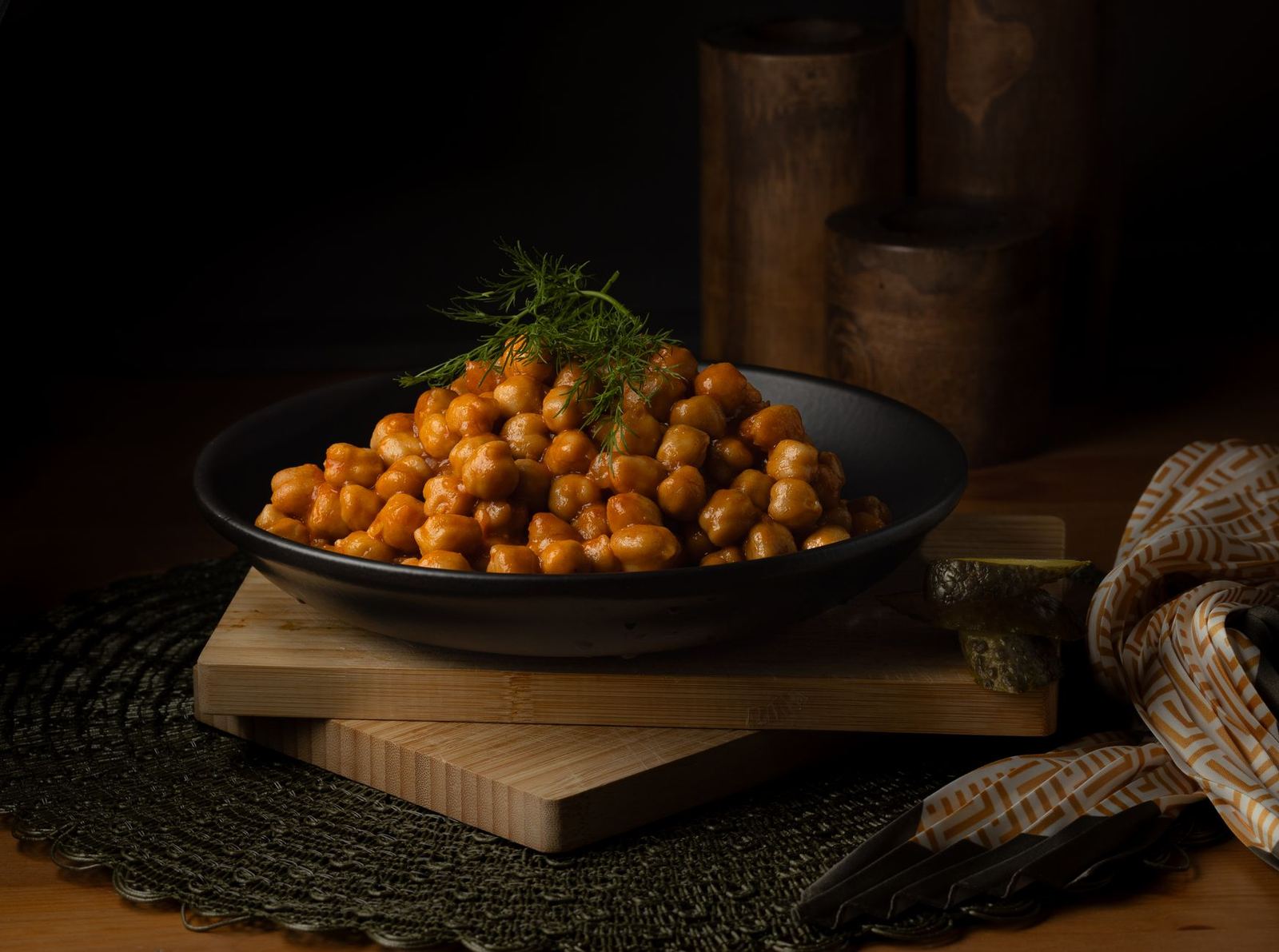
New vegetarian cooks often ask what to buy first. A practical starter shelf includes a couple of kinds of lentils, canned or dried chickpeas, a pantry grain such as rice, a bag of flour for flatbread, a tin of tomatoes, a bottle of cooking oil, a jar of tahini and a handful of whole and ground spices. Fresh items worth keeping close are onions, garlic, ginger, lemons and a few sturdy vegetables that last in the fridge, such as cabbage, carrots and cauliflower.
A small set of staples covers most meatless weeknight meals: a pot of legumes, a whole grain, a flatbread, a salad or roasted vegetable, and a sauce. Whole grains appear in the Healthy Eating Plate guidance, which recommends eating a variety of them.
Grains are the base that most vegetarian meals sit on. The guide to basmati rice shows rinsing, soaking and steaming for separate grains, and the notes on how to cook quinoa help avoid the mushy results that come from too much water. Bread belongs here too: chapati needs only flour, water and a hot pan.
For a main-course salad, the cauliflower kale salad pairs roasted cauliflower with sturdy greens and a lemon and tahini dressing. Another route to a satisfying lunch or dinner is a pot of lentils with a tadka, a grain and a salad.
More dishes from the Ayurvedic side of the kitchen, including kichari, dal, soups and warm drinks, are collected in the hub for ayurvedic recipes. The NCCIH describes Ayurveda as an ancient Indian medical system whose treatment combines products, diet, exercise and lifestyle, and this site covers the cooking side only, as a traditional food culture. This independent site is not affiliated with, endorsed by or speaking for any cookbook author, publisher, school, clinic or practitioner.
Planning the week
Meal planning is where meatless cooking either becomes easy or becomes a chore. The approach that works for many households is to cook components, not complete dinners: a pot of lentils or chickpeas, a batch of grain, a tray of roasted vegetables and a jar of sauce or dressing. These recombine into different meals through the week, and the notes on vegetarian meal prep cover planning, batch cooking and storage in detail.
Storage deserves a note of its own. Cooked legumes, grains and sauces keep better when cooled promptly and stored in covered containers in the fridge, and reheating until steaming hot is standard kitchen practice. The meal prep guide goes through storage for each type of dish.
Shopping lists make the system work. Writing the week’s components on paper before going to the store prevents the pile of vegetables that never gets used. A list built around a protein anchor, a grain, two or three vegetables, an aromatic base and a sauce usually covers several dinners and a couple of lunches, and anything left over turns into soup, a wrap filling or a grain bowl.
A few habits keep the week varied:
- Change the flavor family from one meal to the next, for example Indian spices on one night and lemon and tahini on another.
- Rotate the protein anchor, so legumes, soy, dairy and eggs each get a turn.
- Keep a vitamin C food, such as lemon, tomato or bell pepper, near the iron-rich dishes.
- Check packaged meat substitutes for sodium. MedlinePlus advises watching for products that are high in sodium.
Reading the Nutrition Facts label on packaged foods is another habit that MedlinePlus recommends, especially for fortified foods such as plant milks and cereals, which are one route to vitamin D, calcium and B12.
Frequently asked questions
Is a vegetarian diet enough on its own to meet nutrition needs?
MedlinePlus states that a well-planned vegetarian diet can meet nutrition needs, with the caveat that more restrictive diets make some nutrients harder to get. Anyone with a health condition, anyone who is pregnant, and anyone on medication should check with a clinician or dietitian.
Do protein foods need to be paired at every meal?
No. MedlinePlus says these foods do not need to be combined at the same meal to get enough protein, and the Harvard Nutrition Source advises eating a variety of protein-containing plant foods across the day.
Is tofu safe to eat regularly?
The Harvard Nutrition Source says soy is a nutrient-dense protein source that can safely be consumed several times a week. Soy supplements and isolated extracts are a different question, and a clinician is the right person to ask about them.
How can iron absorption from plant foods be improved?
MedlinePlus says that eating vitamin C foods at the same meal as iron-rich foods increases iron absorption. Tomatoes, citrus fruits, bell peppers and strawberries are the examples it lists.
Does this site give medical advice?
No. The pages describe cooking and food traditions and report what public health sources say. They do not diagnose, treat or advise on supplements, and the NCCIH advises talking with a health care provider before using Ayurvedic products if there is a health condition.