
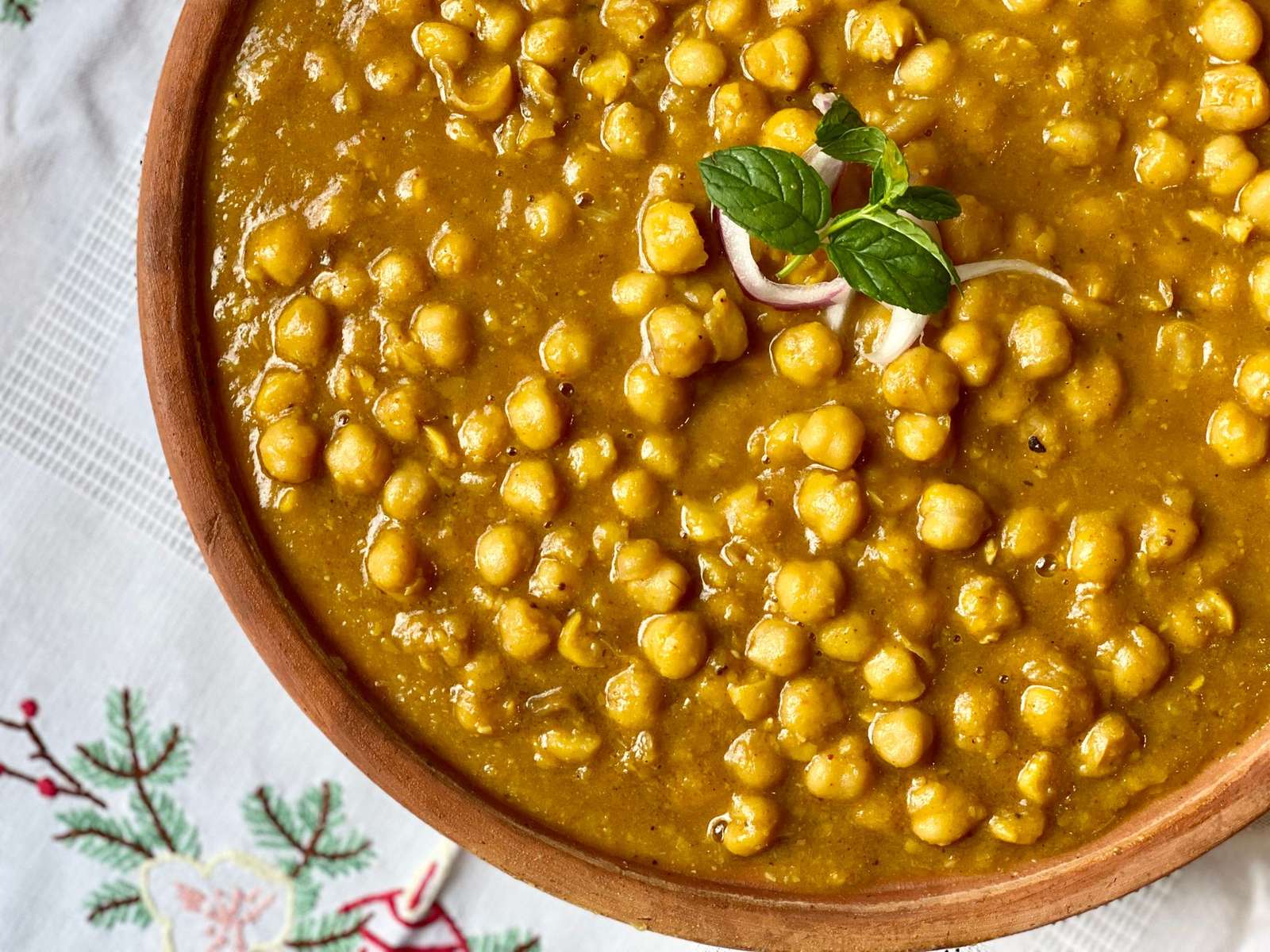
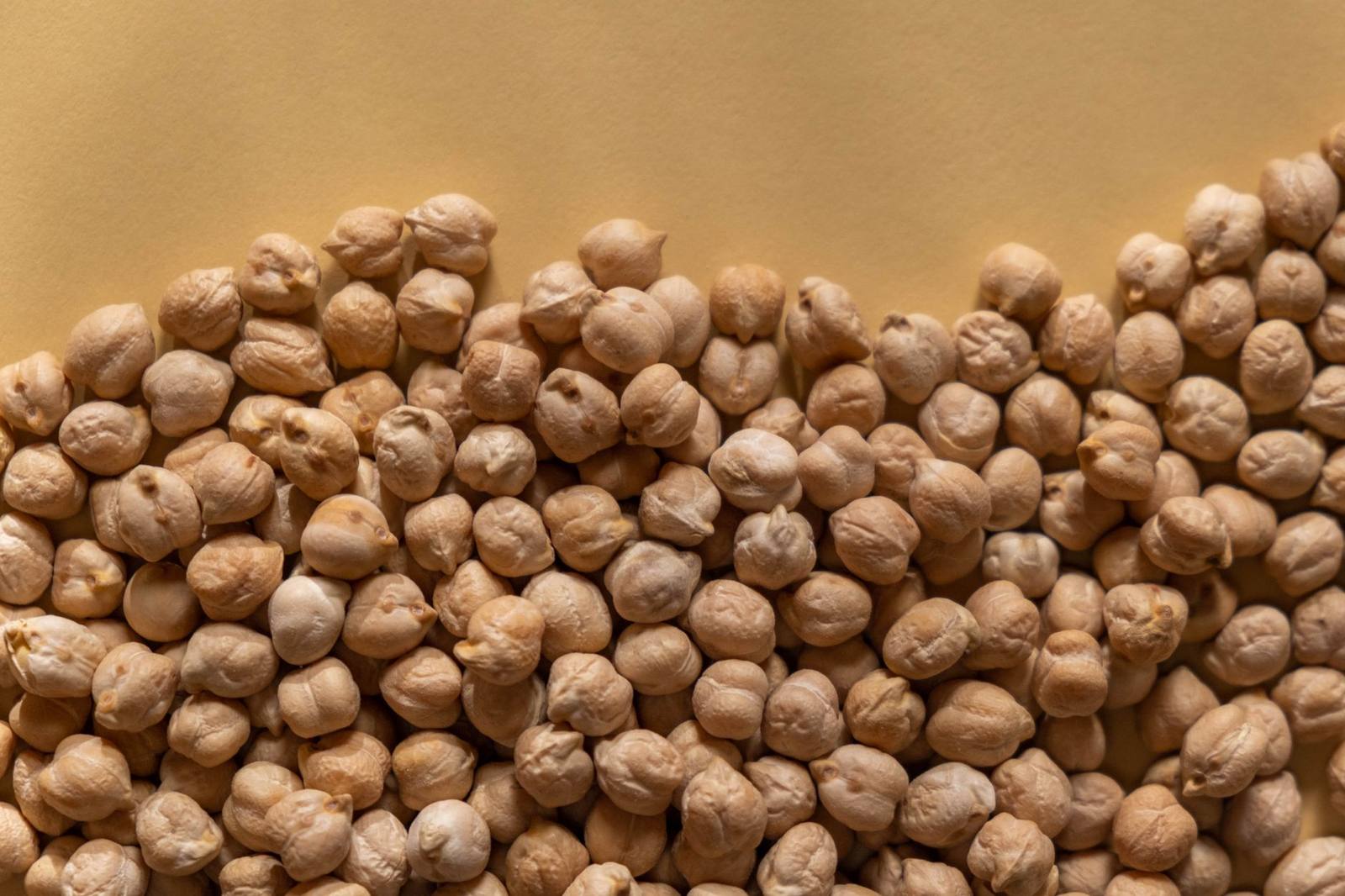
Chickpea recipes start with a choice between dried chickpeas, which are soaked and simmered until tender, and canned chickpeas, which are ready after draining. Each has a place in a practical kitchen.
Chickpeas are a pillar of vegetarian cooking, and a single pot can become hummus, salad, soup or curry.
Why chickpeas earn a place in the pantry
According to Wikipedia’s chickpea entry, chickpeas are high in protein. The same page notes that, as an important part of Indian cuisine, the chickpea is used in salads, soups, stews, and curries, and that it also appears in hummus and, when soaked and coarsely ground with herbs and spices and fried into patties, falafel.
The Harvard Nutrition Source describes legumes in general as an inexpensive source of protein, vitamins, complex carbohydrates, and fiber, and says whole unprocessed legumes are low in saturated fat and sodium. The NHS vegetarian diet page adds that pulses are a low-fat source of protein, fibre, vitamins and minerals, and count as a portion of vegetables.
Those are good reasons to keep a supply on the shelf. The question is how to cook them, and that depends on whether the starting point is a dried bag or a can.
Dried versus canned chickpeas
Dried chickpeas are the cheaper and more flexible option. They give the cook control over texture and salt, and the cooking liquid can be used in soups and sauces. The cost is time: they need soaking, then a long, gentle simmer.
Canned chickpeas trade that control for speed. They are already cooked, so they can go straight into a salad, a curry or a roasting tray. Because the liquid in the can often contains salt, many cooks drain and rinse them first and then season the dish themselves.
A sensible approach is to keep both. Cook a large pot of dried chickpeas once, store the surplus in the fridge, and keep a few cans for days when there is no time to plan.
How to cook dried chickpeas
The Harvard page says that soaking dried beans for at least three hours and cooking them may help decrease the gas and bloating that some people notice with legumes. Chickpeas follow the same logic, so an overnight soak fits easily into a normal routine.
- Pick over the chickpeas and discard any stones or damaged ones, then rinse in a sieve.
- Cover with plenty of cool water and soak, either overnight or for at least the three hours mentioned above.
- Drain the soaking water and rinse the chickpeas again.
- Put them in a large pot, cover with fresh water by a generous margin and bring to a boil.
- Skim off any foam, then lower the heat to a steady simmer with the lid slightly ajar.
- Simmer until a chickpea mashes easily between two fingers. The time varies with the age of the chickpeas, so test them rather than watching the clock.
- Add salt near the end of cooking, then drain, or leave the chickpeas to cool in their cooking liquid for extra softness.
Wikipedia adds a useful detail on what happens in the pot. Raffinose and sucrose and other reducing sugars diffuse from the chickpea into the cooking water, and this reduces or completely removes these components from the chickpea. It also notes that cooking increases protein digestibility. Throwing out the soaking and cooking water is therefore a reasonable choice when digestion is a concern.
Cooking with canned chickpeas
Canned chickpeas need only draining and rinsing under cold water. After that, they can be eaten as they are or warmed gently.
- For salads, drain, pat dry and toss with olive oil, lemon juice, chopped herbs and a pinch of salt.
- For curries, add them near the end of simmering so they warm through without turning mushy.
- For roasting, dry them thoroughly, coat with oil and spices and bake on a tray until crisp at the edges.
- For a quick mash, crush with a fork and fold with yogurt or tahini for a spread.
Nutrition at a glance
The table below shows the nutrient values listed for cooked chickpeas without added salt.
| Nutrient (cooked chickpeas, no salt) | Per 100 g |
|---|---|
| Energy | 160 kcal |
| Carbohydrates | 27.42 g |
| Dietary fibre | 7.6 g |
| Fat | 2.59 g |
| Protein | 8.86 g |
Values are taken from the nutritional value panel for cooked chickpeas on Wikipedia’s chickpea entry.
Fibre is part of why chickpeas fill the plate so well. The NHS suggests adding pulses like beans, lentils or chickpeas to stews, curries and salads when looking to get more fibre in the diet, as set out on its fibre page.
What to make with chickpeas
Chickpeas adapt to almost every course. A few directions to try:
- Chana masala-style curry. Simmer cooked chickpeas in a base of onion, tomato and spices. The method in vegetable curry works as a template.
- Hummus. Blend cooked chickpeas with tahini, lemon, garlic and a little of the cooking water for a smooth spread.
- Salads and bowls. Toss with chopped cucumber, tomato and herbs, or pile onto grains.
- Soups and stews. They hold their shape in long simmers and give body to the broth.
- Falafel. Chickpeas that have been soaked, but not cooked, are ground with herbs and spices and fried.
For a simple dinner, serve a chickpea curry over fluffy basmati rice, with a green salad on the side.
A simple spiced chickpea skillet
This original method works with either dried chickpeas that have been cooked or canned ones that have been drained, and it needs no special equipment. Quantities are left to taste: the proportions below are described in words rather than measured.
- Warm a generous spoon of oil or ghee in a wide skillet over medium heat.
- Add cumin seeds and let them sizzle for a moment until fragrant.
- Stir in a chopped onion and cook until soft and lightly golden.
- Add grated ginger, garlic if desired, and a spoon of ground coriander and turmeric. Stir to coat the onion.
- Add a chopped tomato and cook until it breaks down into a thick paste.
- Tip in the chickpeas with a splash of water or cooking liquid and simmer until the sauce clings to the chickpeas.
- Finish with lemon juice, salt and chopped cilantro.
Served with flatbread or rice and a spoon of yogurt, the skillet makes a full meal. Any leftovers keep well in the refrigerator and taste even better the next day, once the spices have had time to settle into the chickpeas.
Storing cooked chickpeas
Cooked chickpeas keep best when they are cooled promptly, covered with a little of their cooking liquid and refrigerated in a lidded container. They can also be frozen in portions for later use. Labeling the container with the date makes it easier to use them in order.
Health notes and when to ask a clinician
Harvard notes that legumes can create gas, which causes bloating and abdominal cramping in some people. Introducing them gradually, soaking dried beans and cooking them thoroughly are the practical steps it points toward.
Ayurveda is a traditional system: the NCCIH describes the ancient Indian medical system, also known as Ayurveda, as being based on ancient writings. This page covers cooking technique only and makes no health claims for chickpeas. People with a health condition, who are pregnant or who take medication should talk to a clinician before changing their diet.
Frequently asked questions
Do dried chickpeas have to be soaked?
Soaking is the usual practice and shortens the later simmer. Cooks who find legumes hard to digest tend to prefer a long soak followed by thorough cooking.
Can canned chickpeas replace dried ones in a recipe?
Yes. Drain and rinse them, then add them toward the end of cooking, since they are already tender.
What can be done with the cooking water?
It can be used in soups, sauces and hummus to add body. Wikipedia notes that sugars diffuse from the chickpea into the cooking water.
Are chickpeas a good source of protein?
Wikipedia describes them as high in protein, and the table above lists 8.86 g of protein per 100 g of cooked chickpeas.