
Homemade paneer is a fresh cheese made by curdling hot milk with an acid such as lemon juice, then draining and pressing the curds. It needs only milk, an acid and a clean cloth.
Paneer is a staple of vegetarian cooking across North India, and the home version takes very little equipment.
What paneer is
According to Wikipedia’s paneer entry, paneer is a fresh acid-set cheese, common in South Asian cuisine, made from cow milk or buffalo milk. It is a non-aged, non-melting soft cheese made by curdling milk with an acid, such as lemon juice or citric acid.
The “non-melting” part explains why the cheese shows up in so many hot dishes. Where mozzarella or cheddar would slump into a pool, paneer cubes hold their shape in a simmering sauce, on a skewer or in a hot pan, and they soak up the flavor of whatever spices surround them. The same source adds that the cheese is predominantly used in north Indian dishes and is commonly used throughout India because it is so versatile.
That versatility is also why it is worth making at home. A fresh block is mild, slightly sweet and tender, and the texture can be adjusted to suit the dish: softer for crumbling into fillings, firmer for cubes that need to survive a curry.
Ingredients and equipment
The ingredient list is short, and almost everything is already in a typical kitchen. The two things that matter most are the milk and the acid.
- Milk. Cow milk or buffalo milk, as the sources describe. Whole milk gives a richer, softer cheese than lower-fat milk.
- An acid. Lemon juice, vinegar, citric acid or yogurt (dahi) all work to split the milk into curds and whey.
- A pinch of salt, optional, if the cheese will be eaten plain.
- Muslin or cheesecloth for draining, plus a colander and a bowl to catch the whey.
- A heavy pot with a thick base, so the milk heats evenly without scorching.
- A weight, such as a heavy pan or a jar filled with water, for pressing.
The whey that drains off is not waste. It can be used to cook rice or lentils or to knead into a dough, for a gentle tang.
How to make homemade paneer, step by step
Wikipedia describes the method plainly: food acid is added to hot milk to separate the curds from the whey, and the curds are drained in muslin or cheesecloth with the excess water pressed out. The steps below turn that description into a working routine.
- Pour the milk into the heavy pot and warm it over medium heat, stirring now and then so a skin does not form on the surface or a film stick to the bottom.
- When the milk is steaming and small bubbles gather at the edge, lower the heat. A full rolling boil is not needed.
- Add the acid slowly, a little at a time, while stirring gently. The milk starts to separate almost at once into soft white curds and thin, yellowish-green whey.
- Stop adding acid when the whey looks clear and the curds have gathered together. Let the pot rest off the heat for a few minutes so the curds firm up.
- Line the colander with damp muslin or cheesecloth and set it over a bowl. Pour in the curds and whey together.
- Rinse the curds briefly under cool water to wash away the flavor of the acid, especially if vinegar was used.
- Gather the corners of the cloth, twist, and squeeze out as much liquid as possible.
- Flatten the bundle into a neat square, set it on a plate, and press it under a heavy weight until it holds together.
- Unwrap, cut into cubes or slices, and use right away or refrigerate.
One traditional finishing step is described on the same page: the pressed paneer is dipped in chilled water for 2–3 hours to improve its texture and appearance.
Choosing the acid: lemon juice, vinegar, citric acid or yogurt
Each acid in the list above does the same job, which is to make the milk proteins clump. They differ in flavor and in how fast they work.
Lemon juice leaves a faint citrus note that most cooks find pleasant, and it suits sweet and mild dishes. White vinegar is neutral in flavor once the curds are rinsed, and it tends to separate the milk quickly. Citric acid, sold as a powder, gives a clean result with no added flavor and is easy to dissolve in a little water before it goes into the pot. Yogurt works more gently and slowly, and it contributes a slightly tangy taste.
Whichever acid is used, the rule is the same: add it gradually and watch the whey. If the whey is still milky, a little more acid is needed. If the curds feel tough and squeaky, too much was added or the milk was heated too hard.
Soft or firm: pressing time
Pressing is where the texture is decided. In north Indian cooking, as the entry on paneer notes, the curds are wrapped in cloth and placed under a heavy weight such as a stone slab for two to three hours, then cut into cubes for use in curries. A longer press gives dense, sliceable blocks that can be fried or grilled without crumbling.
Shorter pressing gives a different result. The same page says pressing for a shorter time, approximately 20 minutes, results in a softer, fluffier cheese. That version is useful when the paneer is meant to be crumbled into a filling, folded into a bhurji-style scramble or mashed into a stuffing for flatbreads.
A practical approach is to divide the curds. Press half of them hard for cubes and half lightly for crumbling, so one batch covers two meals.
Cooking and serving homemade paneer
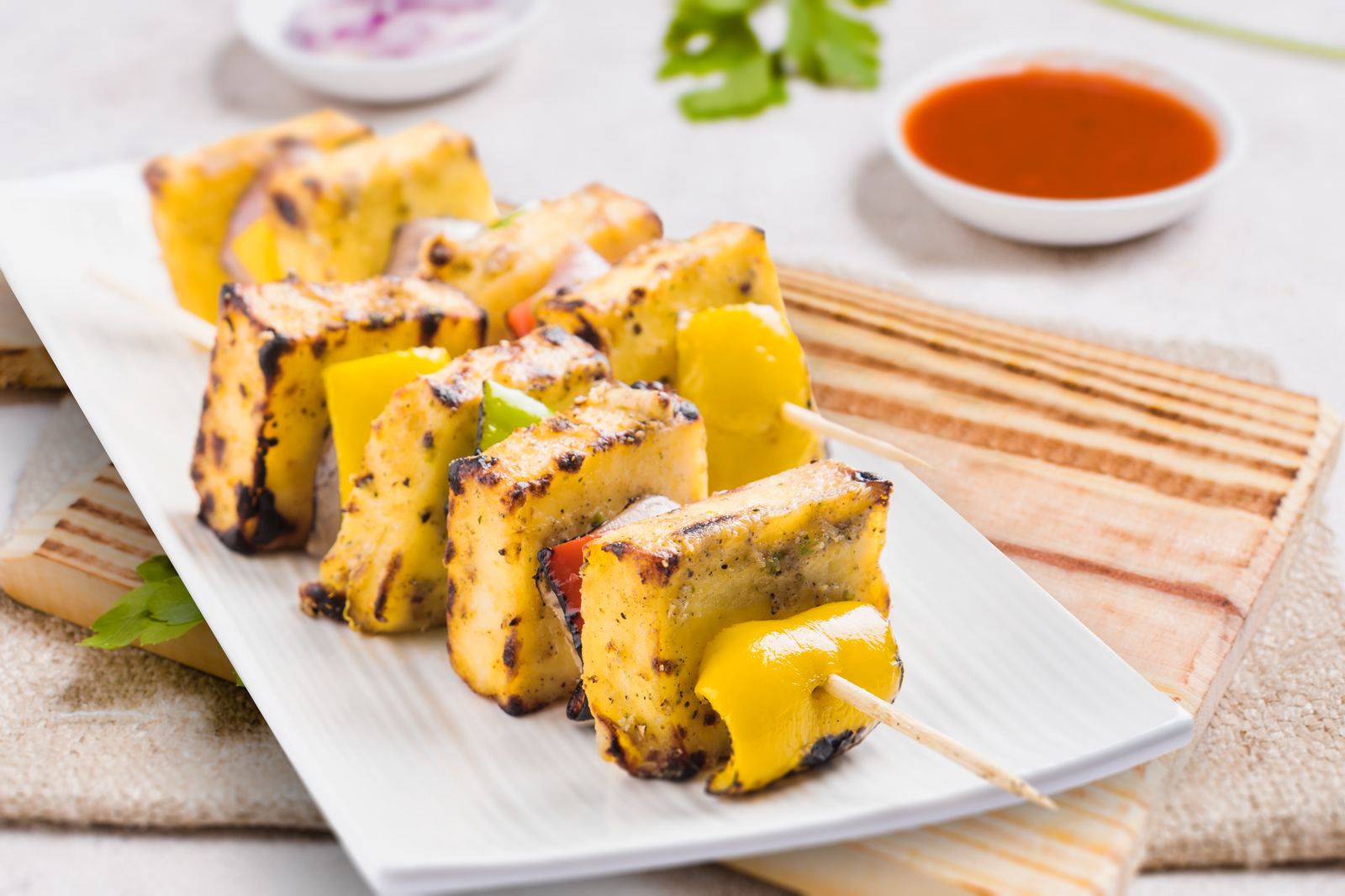
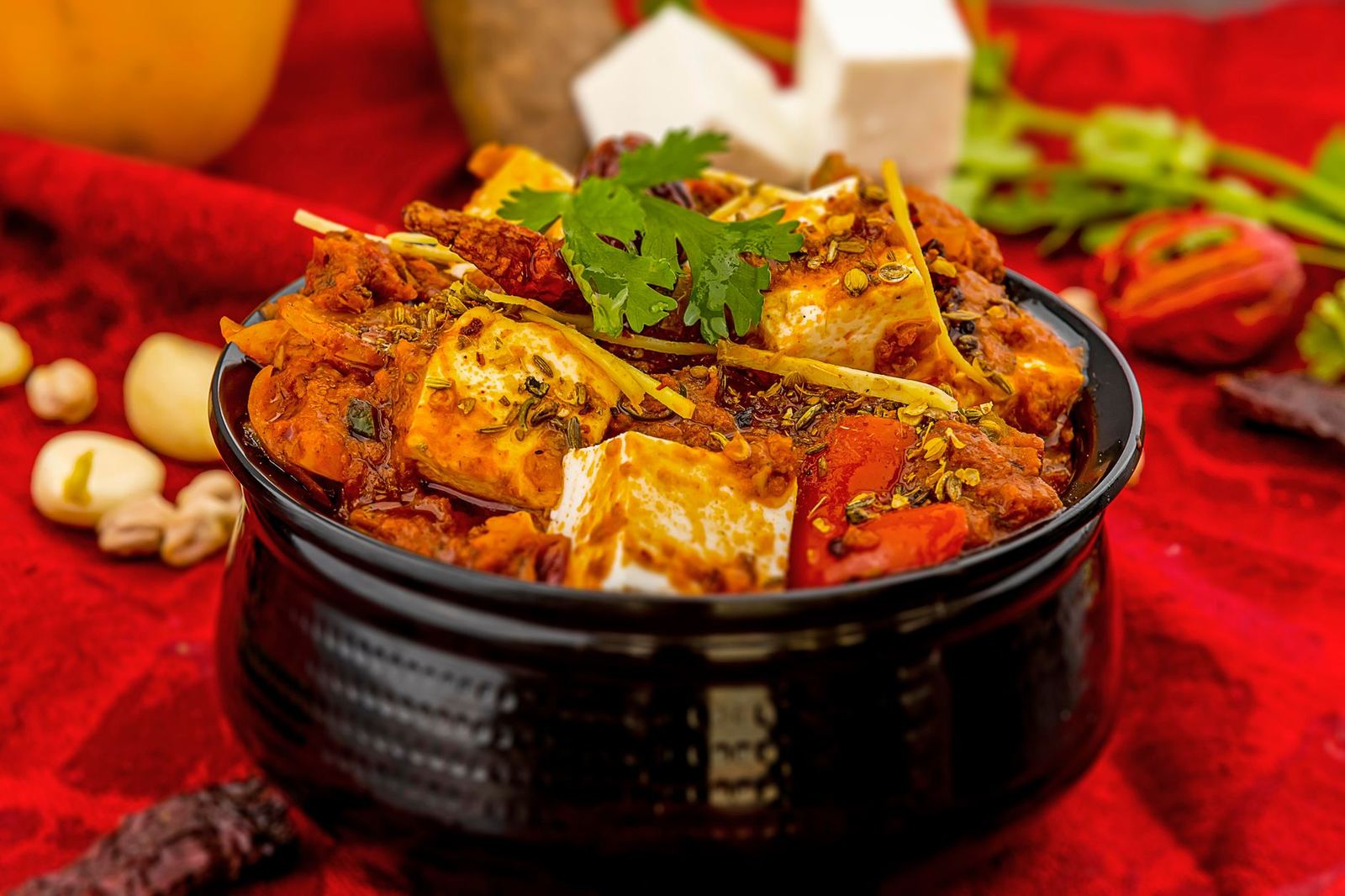
Paneer is the most common type of cheese used in traditional cuisines from the Indian subcontinent, and the range of dishes is wide. The entry lists palak paneer (paneer with spinach), matar paneer (paneer with peas) and paneer tikka, which is paneer placed on skewers and roasted.
Fresh paneer pairs well with a pot of dal. The steps in how to cook lentils show how to get a smooth, soft pot that suits a paneer curry. A bowl of fragrant basmati rice is the usual partner for any saucy paneer dish.
For frying, pat the cubes dry, use a hot pan with a little oil or ghee and turn them until golden on a few sides. For sauces, add the cubes near the end so they warm through without turning rubbery.
Dairy, digestion and when to ask a clinician
Milk and dairy products, such as cheese and yoghurt, are described by the NHS as great sources of protein and calcium. Paneer fits that picture as a fresh dairy food, though it is made from whole milk and the fat content depends on the milk used.
Lactose is the sugar found in milk and foods made with milk, as MedlinePlus explains, and people who cannot digest it may feel unwell after eating dairy. Anyone who suspects lactose intolerance can ask a clinician for guidance.
Ayurveda is a traditional system: the NCCIH describes the ancient Indian medical system, also known as Ayurveda, as being based on ancient writings. This site offers cooking information only. People with a health condition, who are pregnant or who take medication should talk to a clinician before changing their diet.
Frequently asked questions
Can paneer be made without lemon juice?
Yes. The usual alternatives are vinegar, citric acid or yogurt, all named in the standard description of the method.
How do you make paneer softer?
Press it for less time. A light press leaves more moisture in the curds, so the finished cheese is soft and crumbly instead of dense.
Why does paneer not melt?
The sources describe it as a non-melting soft cheese made by curdling milk with an acid, so it keeps its shape in a hot pan or sauce.
Is homemade paneer suitable for people who avoid lactose?
Paneer is a milk product, and lactose is the sugar found in milk. Someone with lactose intolerance should ask a clinician before relying on it.