
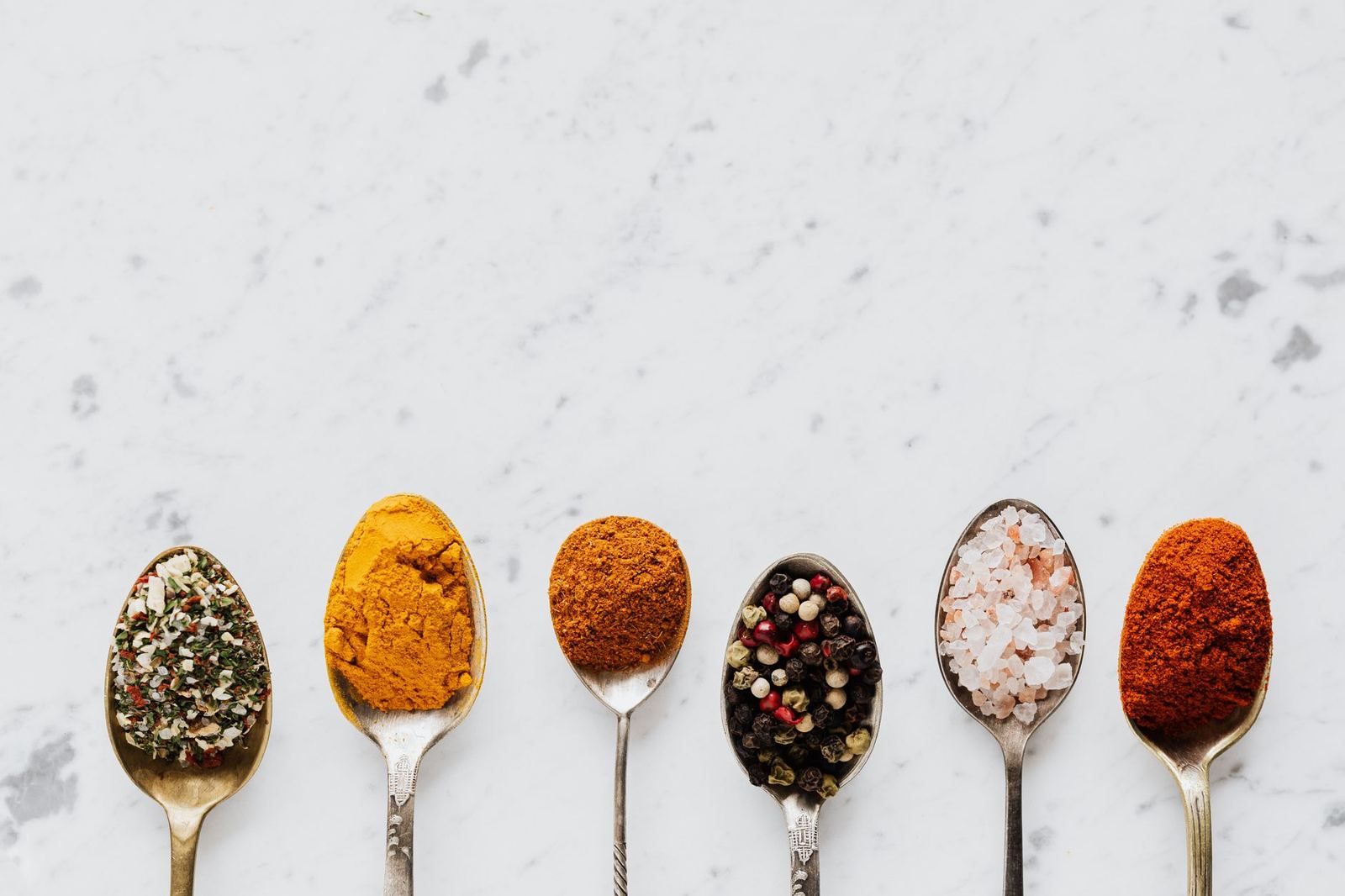
Ayurvedic spices are the dried seeds, roots, barks and resins that traditional Indian kitchens use to season food and, in the Ayurvedic view, to support digestion. This guide covers the core spices, what research bodies say about them and how cooks use them.
The spices sit inside a wider set of habits described in the guide to ayurvedic cooking, which is the best place to start if the whole approach is new.
What makes a spice “Ayurvedic”?
No spice is Ayurvedic by nature. The label describes how a spice is used: as part of a meal planned around taste, warmth, digestion and the season. Ayurveda is a traditional medical system of India, and the NIH’s National Center for Complementary and Integrative Health notes that it is one of the world’s oldest medical systems that remains one of India’s traditional health care systems.
In that tradition, food is described through its taste and qualities. A review in the Journal of Ayurveda and Integrative Medicine explains that the taste and qualities of foods affect the doshas in specified ways. Spices are the most concentrated way to change those qualities, which is why a pinch of one can change the character of a whole pot of lentils.
An article on Ayurvedic medicinal plants in the journal Integrative Medicine adds that some spices such as cumin, ginger and coriander are described as aiding digestion, and that their actions depend on the constitution of the person concerned. That framing, personal and cooked into meals, is the thread through the rest of this guide.
The core spices and what they do in the pot
Most Ayurvedic home cooking leans on a small set of everyday spices rather than a long exotic list. The table groups the ones that appear most often and pairs each with what a reputable health source says about it.
| Spice | Part of the plant | Role in the kitchen | What health sources say |
|---|---|---|---|
| Turmeric | Rhizome | Yellow colour, earthy flavour in dals, rice and milk drinks | Not enough evidence to call it beneficial for any health purpose |
| Ginger | Rhizome | Fresh heat in teas, soups and tempering | Studied mainly as a supplement for nausea; side effects possible |
| Cumin | Seed | Warm, nutty base note, often toasted in fat first | Named among spices described as aiding digestion |
| Coriander | Seed | Mild citrus sweetness that rounds out blends | Named among spices described as aiding digestion |
| Cinnamon | Bark | Sweet warmth in porridge, fruit and rice dishes | Likely safe in food amounts; research does not support health claims |
| Fenugreek | Seed | Bitter, maple-like note used sparingly in dals and vegetable dishes | Believed safe in food amounts; avoid larger amounts in pregnancy |
Health notes in the table come from NCCIH on turmeric and NCCIH on ginger.
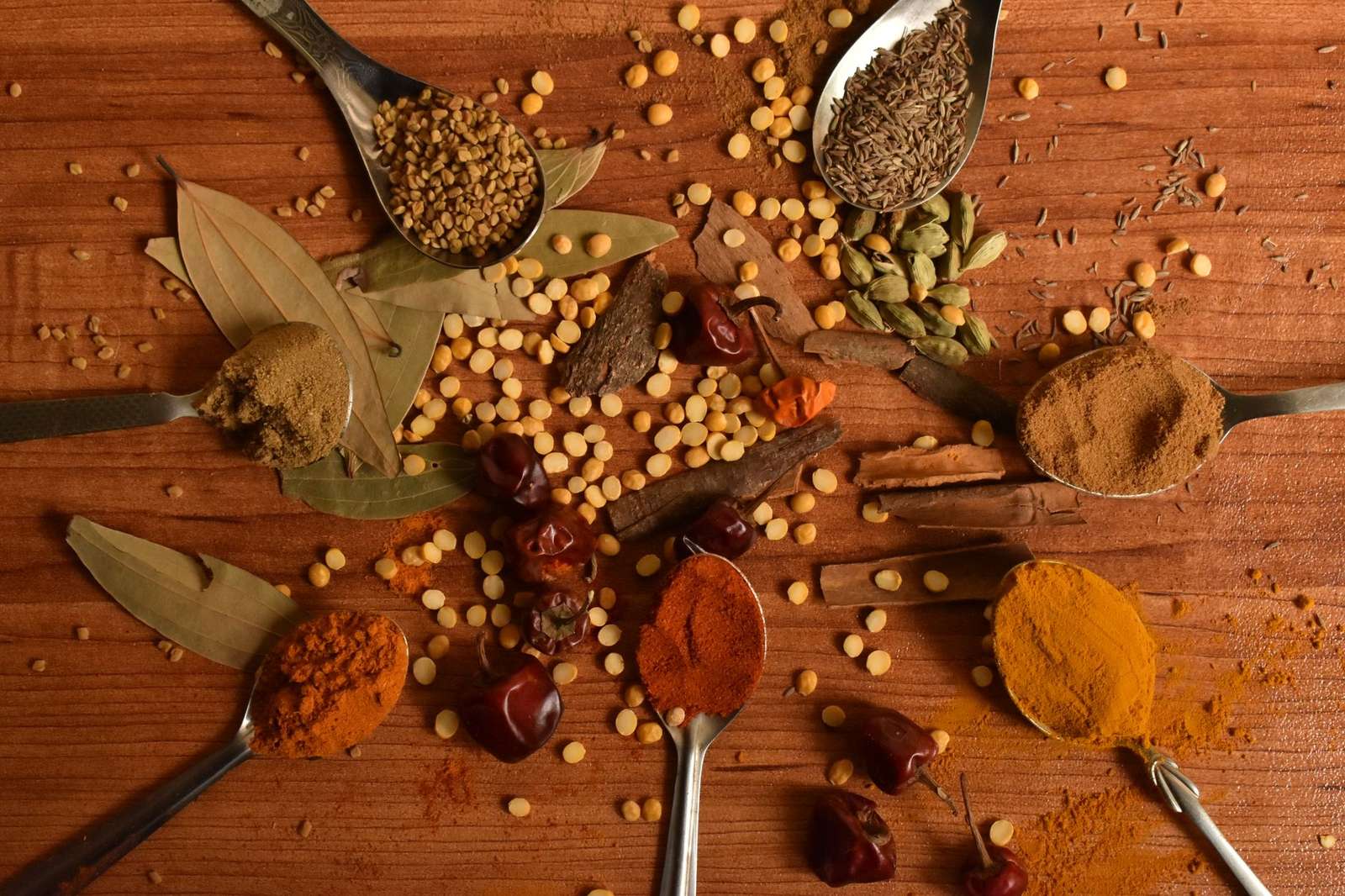
Turmeric and ginger: the two rhizomes
Turmeric and ginger are both rhizomes, the underground stems of plants in the same family. NCCIH describes turmeric as a plant in the ginger family and says its main pigment, curcumin, gives the spice its yellow color.
In the kitchen, turmeric goes in early, usually into hot fat or simmering water, so the raw edge cooks off and the colour spreads evenly. A small amount is enough for a whole pot. Fresh ginger works at the other end of the process: grated into a tempering, sliced into tea, or stirred in late for a sharper bite.
Health claims around both spices are far bigger than the evidence. On turmeric, NCCIH states plainly that the research does not allow a firm conclusion: we don’t know enough to definitively conclude if turmeric or curcumin is beneficial for any health purposes. On ginger, the same agency reports that ginger may be helpful for nausea and vomiting associated with pregnancy, but that most of the studies tested dietary supplements rather than foods. It also lists possible side effects of ginger taken by mouth, including abdominal discomfort, heartburn and diarrhea.
Cumin, coriander and the seed spices
Cumin and coriander seed form the backbone of many everyday blends. They are usually dry-toasted in a pan until fragrant, then either ground or dropped whole into hot ghee or oil. Toasting changes their flavour more than any other step, turning a flat, dusty seed into something warm and rounded.
Ground seeds lose aroma quickly, so many cooks grind small batches. Whole seeds keep longer and can be crushed with a mortar when needed. The same logic applies to fennel, which turns up in teas and after-meal traditions, and to mustard seed, which is popped in hot fat until it crackles.
The Ayurvedic medicinal plants article places cumin and coriander among the spices aiding digestion through the production of digestive enzymes, along with ginger. That is how the tradition describes them. It is a description of traditional use and not a clinical finding, and it should not be read as a promise about any individual.
Cinnamon and fenugreek: sweet and bitter extremes
Cinnamon is dried bark. NCCIH explains that it comes from the dried bark of various species of Cinnamomum trees, and that two main kinds are sold. Ceylon cinnamon is called true cinnamon and grows mainly in Sri Lanka, while cassia is the type most common in North America. In food, cinnamon lends sweetness without sugar to porridge, stewed fruit and rice dishes.
The safety note matters here. NCCIH says cinnamon is likely safe when consumed in the amounts commonly used in foods as a spice or flavoring agent, but that research does not clearly support it for any health condition. It also reports that cassia contains coumarin, a compound linked to liver interactions in some reports, and that some cassia products contain high levels, so people with liver disease have a reason to be careful with regular, heavy use.
Fenugreek sits at the opposite end of the flavour range. NCCIH says its seeds smell and taste like maple syrup and have been used as a spice and a traditional medicine. The bitterness is strong, so cooks use it by the pinch. The agency states that fenugreek is believed to be safe in the amounts commonly found in foods, and it adds that fenugreek is not safe during pregnancy in amounts greater than those found in food.
Buying, storing and building a first spice set
A workable starter set is short: turmeric, cumin seed, coriander seed, a fresh knob of ginger, a stick of cinnamon and a small jar of a bitter seed such as fenugreek. Buy whole seeds when possible, keep them in sealed jars away from heat and light, and replace anything that no longer smells strong when opened.
Fat carries flavour, which is why so many Ayurvedic dishes start with a short tempering in hot fat. The traditional choice of fat is covered in the piece on ghee in ayurveda.
Spices also pair with the idea of taste in a meal. Pungent, bitter, sweet and astringent notes each come from different jars, and the guide to the six tastes ayurveda describes how cooks try to include a mix at each sitting.
Safety and good judgement
Spices in food amounts are a different matter from concentrated extracts and Ayurvedic preparations sold as supplements. NCCIH warns that some Ayurvedic preparations may contain lead, mercury, or arsenic in amounts that can be toxic, and it advises people with a health condition to talk with their conventional health care provider before using Ayurvedic products. The same advice applies to anyone who is pregnant, nursing or taking medication: a clinician should be part of the decision before changing the diet or starting an herb or supplement.
This site is an independent informational resource. It is not affiliated with any Ayurvedic school, clinic, practitioner or product brand, and nothing here is medical advice.
Frequently asked questions
Are Ayurvedic spices different from ordinary spices?
No. The spices are ordinary ones; the difference is in how a cook combines them and the qualities they are said to bring to a meal in the tradition.
Is turmeric proven to treat any condition?
NCCIH says there is not enough evidence to conclude that turmeric or curcumin is beneficial for any health purpose, so it is best treated as a flavouring in food.
Should spices be toasted or fried first?
Many Indian recipes do one or the other. Dry toasting suits seeds, while frying in hot fat releases flavour into the dish from the start.
Can everyone eat these spices?
Food amounts are generally fine for most people, but anyone with a health condition, pregnancy or regular medication should check with a clinician first.