
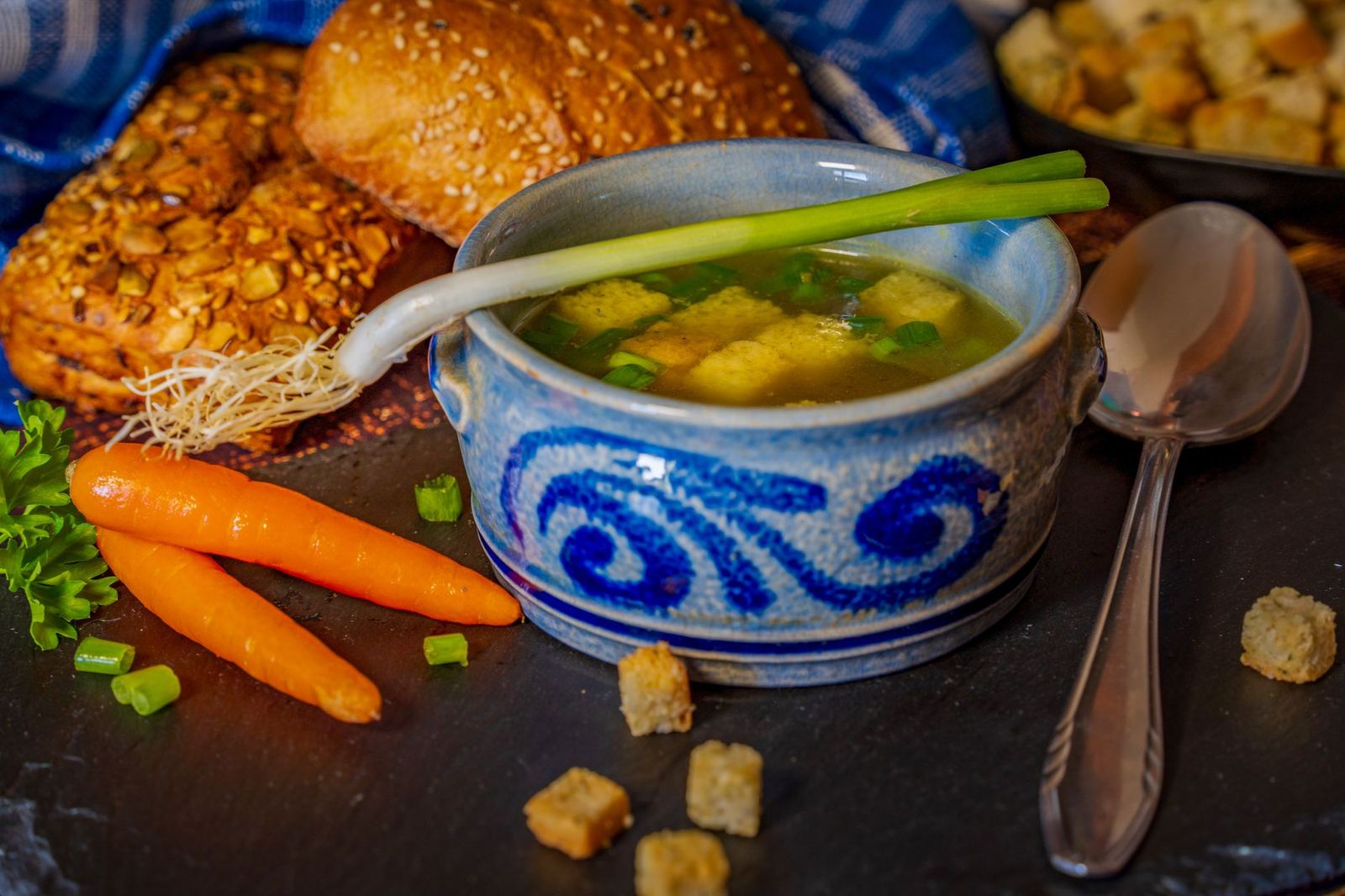
A vata diet, in Ayurvedic tradition, centres on warm, cooked, moist and slightly oily foods eaten at regular times, the opposite of the light, cold and dry qualities said to aggravate vata. This guide explains the idea and how cooks apply it.
It is one chapter of the wider practice laid out in the guide to ayurvedic cooking, where meals are planned around taste, temperature and digestion.
Vata in Ayurvedic theory
Vata is one of the three doshas, the principles Ayurveda uses to describe a person’s constitution and health. A review of Ayurveda, genetics and epigenetics in the journal Ayu says vata is formed from the lighter elements with properties of space and air, and that it regulates movement and communication, including blood flow, breathing and the movement of food through the digestive tract.
Cleveland Clinic summarises the same idea in everyday language: according to Ayurveda philosophy, vata controls the flow of movement in your body and mind. People who are described as vata-dominant are said to be creative, flexible and quick to act, with the downside of worrying or feeling anxious when there is too much vata.
None of this is a diagnosis. The dosha framework comes from a traditional system of medicine, and Cleveland Clinic notes that very few rigorous studies meeting Western standards of scientific validity have been conducted on Ayurveda. The vata diet is best read as a traditional way of organising meals, not a clinical plan.
The qualities behind a vata diet
Ayurvedic food advice works by matching qualities. The review of ayurveda and diet explains that the taste and qualities of foods affect the doshas in specified ways, and that time of day, season and age are all part of the picture. Because vata is described as light, cold and dry, the traditional counterbalance is food that is heavier, warmer and more moist.
A review of the Ayurvedic seasonal regimen, Ritucharya, shows the principle in a cold-weather setting. For the late autumn season it advises unctuous, sweet, sour and salty foods and says that vata aggravating foods, such as light, cold, and dry foods are to be avoided. It also says that intake of cold drinks is contraindicated in that season.
The same passage lists foods the texts favour then: new rice, flour preparations, green gram, sesame, milk and milk products, sugarcane products and fats. The list is useful as a window into the tradition, but it is a description of classical advice and it should not be read as a modern prescription.
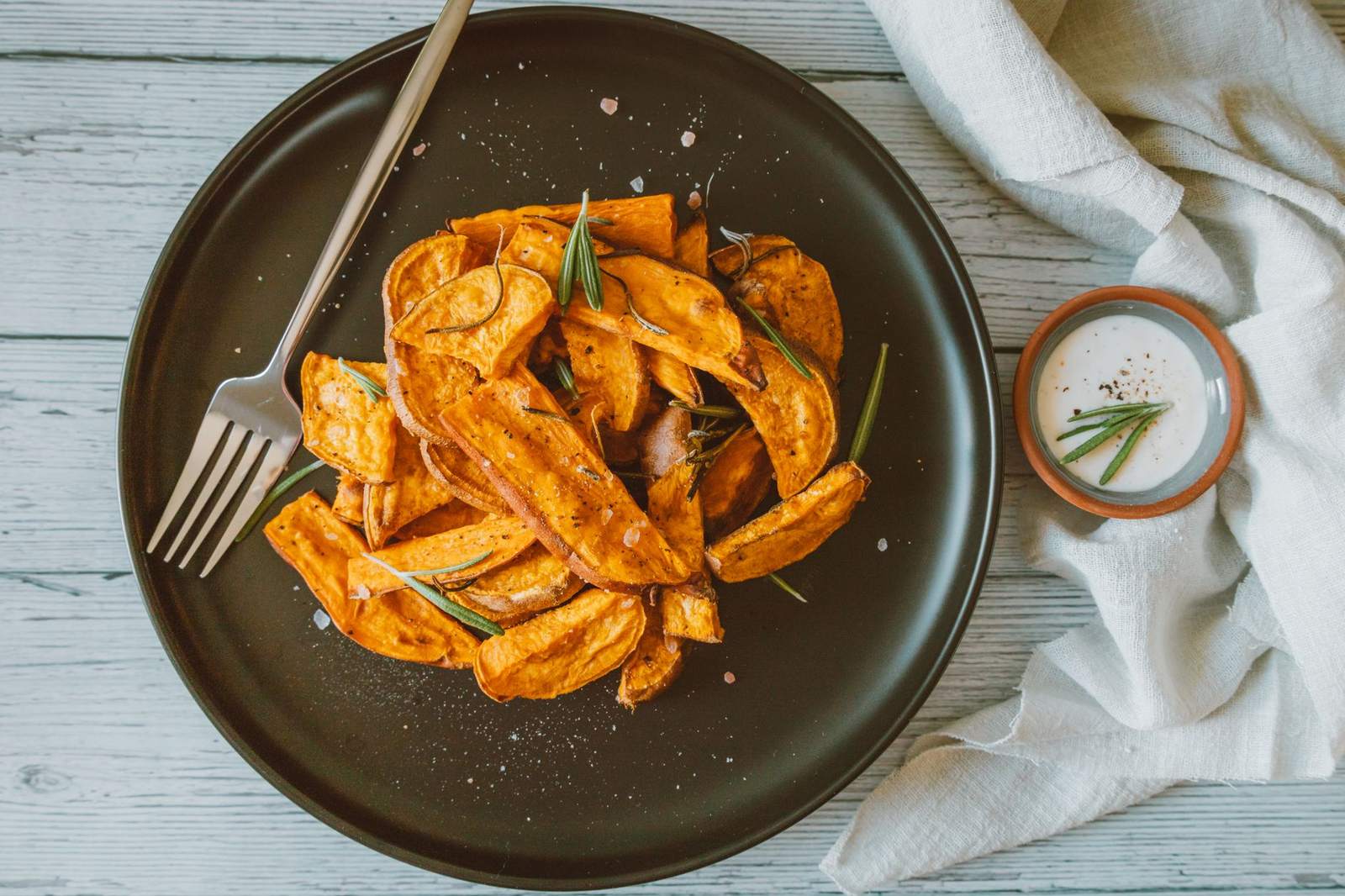
Foods usually associated with vata
Modern writers who summarise the tradition tend to group foods into those that suit vata and those that do not. The groupings below follow the qualities in the classical texts and are a starting point for cooks.
- Grains: cooked, soft grains such as rice, oats and wheat, eaten warm as porridge, khichdi or soft flatbread, rather than dry crackers or cold cereal.
- Legumes: mung beans and lentils, cooked until soft, usually split and peeled so they are easy to digest.
- Vegetables: root vegetables, squash and other cooked vegetables rather than raw salads.
- Fats: ghee, sesame oil and other oily foods that add moisture.
- Dairy and drinks: warm milk and warm spiced drinks, in place of iced drinks.
- Sweet fruits: ripe, juicy fruits, often stewed with a little cinnamon.
The same texts call for caution with foods that are cold, dry or raw, which is why dry snacks and iced drinks are the usual things to reduce.
Ghee, oils and warming spices
Ghee has a particular place in descriptions of the vata diet. The ghee review lists the effects the classical texts assign to each type: cow, goat and human ghee reduce all three doshas, while horse ghee increases vata. The piece on ghee in ayurveda goes into the background and the cautions from modern dietitians.
Spices are the other lever. Ginger, cumin and coriander are described in the Ayurvedic plants article as aiding digestion through the production of digestive enzymes, which fits the vata aim of a steady, well-working digestion. Cinnamon is a common sweet note, and NCCIH says it is likely safe when consumed in the amounts commonly used in foods as a spice or flavoring agent.
Those same health pages carry caveats. NCCIH reports that ginger can cause abdominal discomfort, heartburn and diarrhea when taken orally, and it says research does not clearly support cinnamon for any health condition. Spices belong in the pot as seasoning, not as treatment.
Regularity: when and how to eat
For vata, the tradition cares about rhythm as much as ingredients. Cleveland Clinic says that for someone with excessive vata, an Ayurvedic practitioner may suggest grounding techniques like sticking to a regular sleep-eat schedule, meditation, rest and relaxation.
In kitchen terms, this means meals at roughly the same times, eaten seated and unhurried, and food served warm. A common approach is to start the day with a cooked breakfast rather than skipping it, to make soup or a stew the centrepiece of a cold evening and to keep a flask of a warm, mildly spiced drink on hand.
Soft textures matter as much as temperature. Grains are cooked until tender, legumes until they fall apart, and vegetables until they yield easily to a spoon. Cooks who follow the tradition often finish a bowl with a spoonful of ghee or a few drops of sesame oil, add a pinch of mild spice and serve it while it is still steaming, since the whole point is to leave the eater feeling settled and not hurried.
The traditional vata sketch is also useful for planning. A day might be a warm porridge with stewed fruit and ghee, a lunch of rice, dal and cooked vegetables, and a light evening soup. Each meal is simple, soft and heated, and it avoids the cold, dry or raw extremes.
How the vata diet differs from the pitta diet
The vata diet is the warm, grounding end of a spectrum. At the other end the tradition describes foods that cool and calm. The article on the pitta diet covers that side, and reading the two together shows why Ayurvedic advice always depends on the person and the season. A food that suits vata in cold weather may not suit someone else in summer.
Safety and honest limits
Ayurveda is a traditional system. NCCIH notes that a few studies suggest that Ayurvedic preparations may reduce pain and increase function in people with osteoarthritis, but that most trials are small or not well designed and there is little scientific evidence on Ayurveda’s value for other health issues.
Anyone with a health condition, anyone who is pregnant or nursing and anyone taking medication should speak with a clinician before changing their diet or starting herbs or supplements. NCCIH also warns that some Ayurvedic preparations may contain lead, mercury, or arsenic in amounts that can be toxic, which is a risk of supplements and not of ordinary cooking.
This site is independent and is not affiliated with any Ayurvedic school, clinic, practitioner or product brand.
Frequently asked questions
Is a vata diet the same as a warm food diet?
Warm, cooked food is the core idea, but the tradition also stresses moist and slightly oily textures and regular meal times.
Do I need to know my dosha to cook this way?
No. The recipes are ordinary soups, grains and stews, and the dosha labels are a traditional way of describing them.
Is a raw salad bad for vata?
The tradition leans away from cold and raw food for vata, especially in cold weather, and favours cooked vegetables instead.
Is there scientific proof for the vata diet?
Cleveland Clinic notes that very few rigorous studies of Ayurveda have been conducted, so the diet remains a traditional practice and not an evidence-based treatment.