
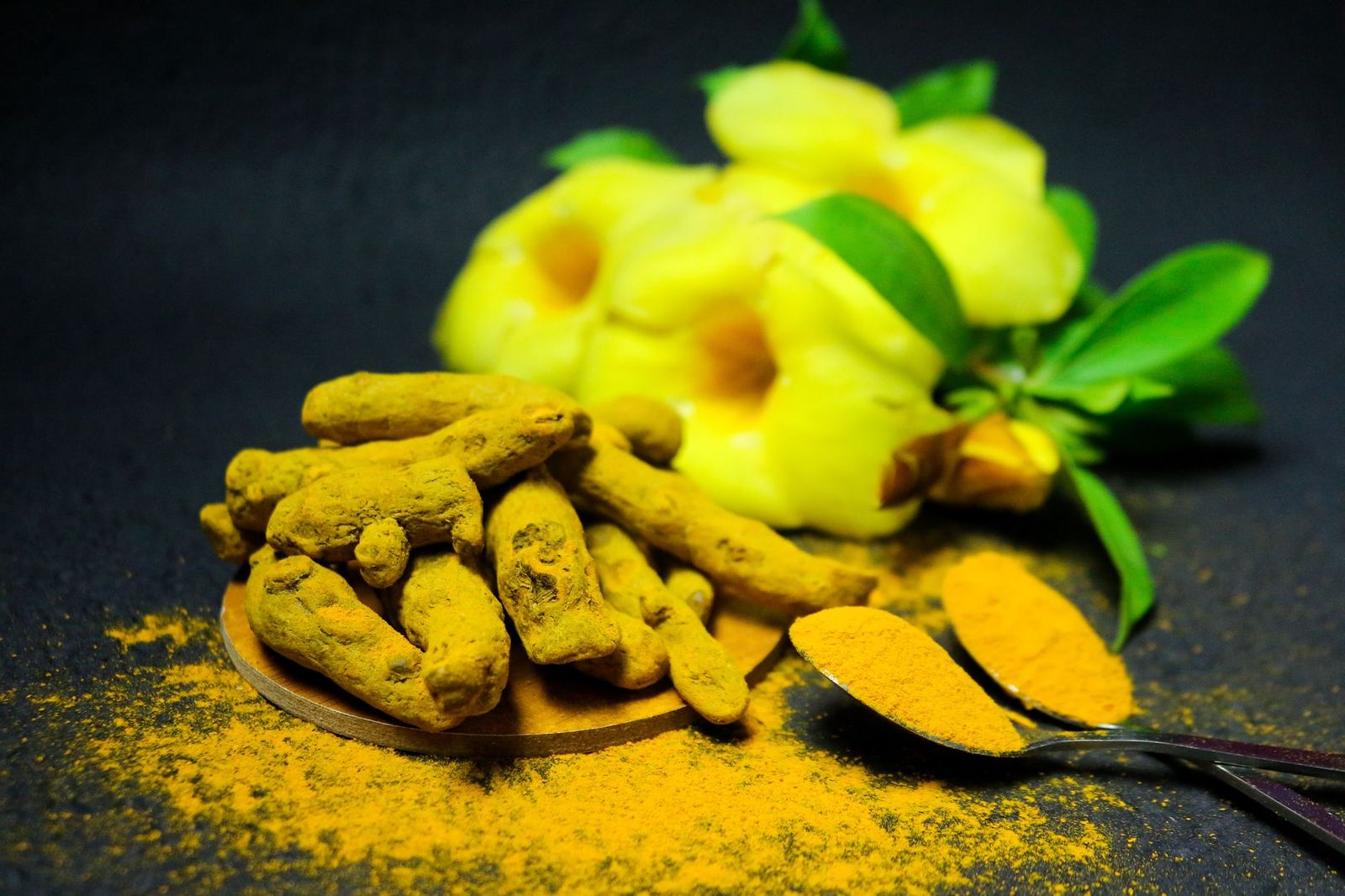
Turmeric ayurveda texts describe the golden rhizome as a daily kitchen spice and as a traditional remedy, while modern research gives a more cautious picture. This page keeps the two apart.
Turmeric is one of the first spices met when learning ayurvedic cooking, so it helps to know what tradition says about it and what researchers have actually measured.
The plant and its yellow color
Turmeric is a plant in the ginger family, and it is grown commercially in Southeast Asia and India, according to the U.S. National Center for Complementary and Integrative Health (NCCIH). The part cooks use is the rhizome, the underground stem, which is dried and ground into the bright powder found in most spice racks. The same NCCIH page notes that the rhizome has been used for culinary and cosmetic purposes, among others.
The color comes from curcumin, a major component of turmeric that gives the spice its yellow hue. Researchers often talk about curcumin rather than the whole spice, and that difference matters later in this guide: a spoonful of turmeric in a pot of lentils is a very different thing from a concentrated curcumin capsule, and the studies discussed below mostly concern the concentrated products.
In the kitchen, turmeric is valued first for color and an earthy, slightly bitter flavor. It is usually bloomed in warm fat early in the cooking, which keeps the raw edge out of a dish. Everything else on this page is about the wider story that surrounds that humble yellow powder.
Traditional uses of turmeric
NCCIH records that turmeric has historically been used in Chinese, Indian (including Ayurvedic), Islamic and Thai traditional medicine systems for conditions such as indigestion, the common cold, skin infections, arthritis, abdominal pain and liver disease. The same page adds that turmeric has also been used in some Indian religious ceremonies, which is a reminder that the spice carries cultural meaning well beyond the plate.
Ayurveda is a traditional medical system, and its writings are not clinical trials. When a classical text recommends a spice for a complaint, that is a statement about tradition and practice, not a laboratory finding. NCCIH describes turmeric as an herb often used in Ayurvedic preparations, which fits what any Indian home kitchen shows: it appears in everyday dal, vegetable dishes and rice rather than only in special preparations.
One thread in the historical list, indigestion, connects to the Ayurvedic idea of digestive strength. That concept is explained in the guide to agni ayurveda, which is a good companion read for anyone wondering why spices are so central to traditional meal planning.
The research literature on turmeric
The research on turmeric and curcumin is large but uneven. NCCIH states plainly that we do not know enough to definitively conclude whether turmeric or curcumin is beneficial for any health purpose. It also explains one of the reasons: it is hard to compare the available evidence because oral curcumin products vary in how much curcumin they actually contain, and they often include substances from other plants, such as piperine from black pepper.
The table gathers what NCCIH reports for the areas with the most studies. It describes supplements and extracts, not the amount of turmeric used in cooking.
| Area studied | What NCCIH reports |
|---|---|
| Osteoarthritis (oral) | Initial evidence is positive; higher-quality evidence is needed to reach definitive conclusions |
| Knee osteoarthritis (topical ointment) | It is unclear whether the ointment affects pain |
| Nonalcoholic fatty liver disease | Oral turmeric or curcumin might improve some measures, but it is unclear which are consistently improved |
| Oral mucositis during cancer treatment | Initial research suggests oral or mouthwash forms might improve symptoms |
Source: NCCIH, Turmeric: Usefulness and Safety.
The separate NCCIH overview of Ayurvedic medicine mentions ulcerative colitis. It says turmeric may help, but the two studies reporting this were small: one published in 2005 included 10 people, and the other, published in 2006, covered 89 people. Small trials can point researchers toward bigger studies, but they cannot settle a question, which is why neither NCCIH page treats turmeric as a proven therapy.
A fair summary is that early results exist, the evidence is mixed in quality, and the trials mostly test standardized extracts. Nothing in that literature turns the spice jar into a treatment, and this site does not suggest it does.
Safety: food, supplements and Ayurvedic products
The picture for ordinary food use is reassuring, but NCCIH separates it from supplements. For conventionally formulated oral turmeric or curcumin, meaning products not modified to enhance absorption, it says the use is likely safe in the recommended amounts for up to 2 or 3 months. It also lists possible adverse effects: nausea and vomiting, acid reflux, stomach upset, diarrhea or constipation.
The more serious caution concerns high-absorption products. NCCIH notes that many curcumin products with increased bioavailability are on the market and that liver damage has been reported in some people who consumed these formulations. Anyone who has taken such a product and notices fatigue, nausea, poor appetite, dark urine or jaundice is told to stop and speak to a health care provider.
Pregnancy is flagged too: NCCIH says turmeric supplements during pregnancy may be unsafe. People who are pregnant, have a health condition or take medicine should talk to a clinician before changing their diet substantially or using any herbal product, since some herbs and medicines interact in harmful ways.
A separate issue applies to traditional compounded products. NCCIH reports that some Ayurvedic preparations may contain lead, mercury or arsenic in amounts that can be toxic. That concern relates to certain manufactured preparations, not to a jar of ground turmeric from a grocery store, but it explains why a product bought online deserves more scrutiny than a spice.
Using turmeric in everyday cooking
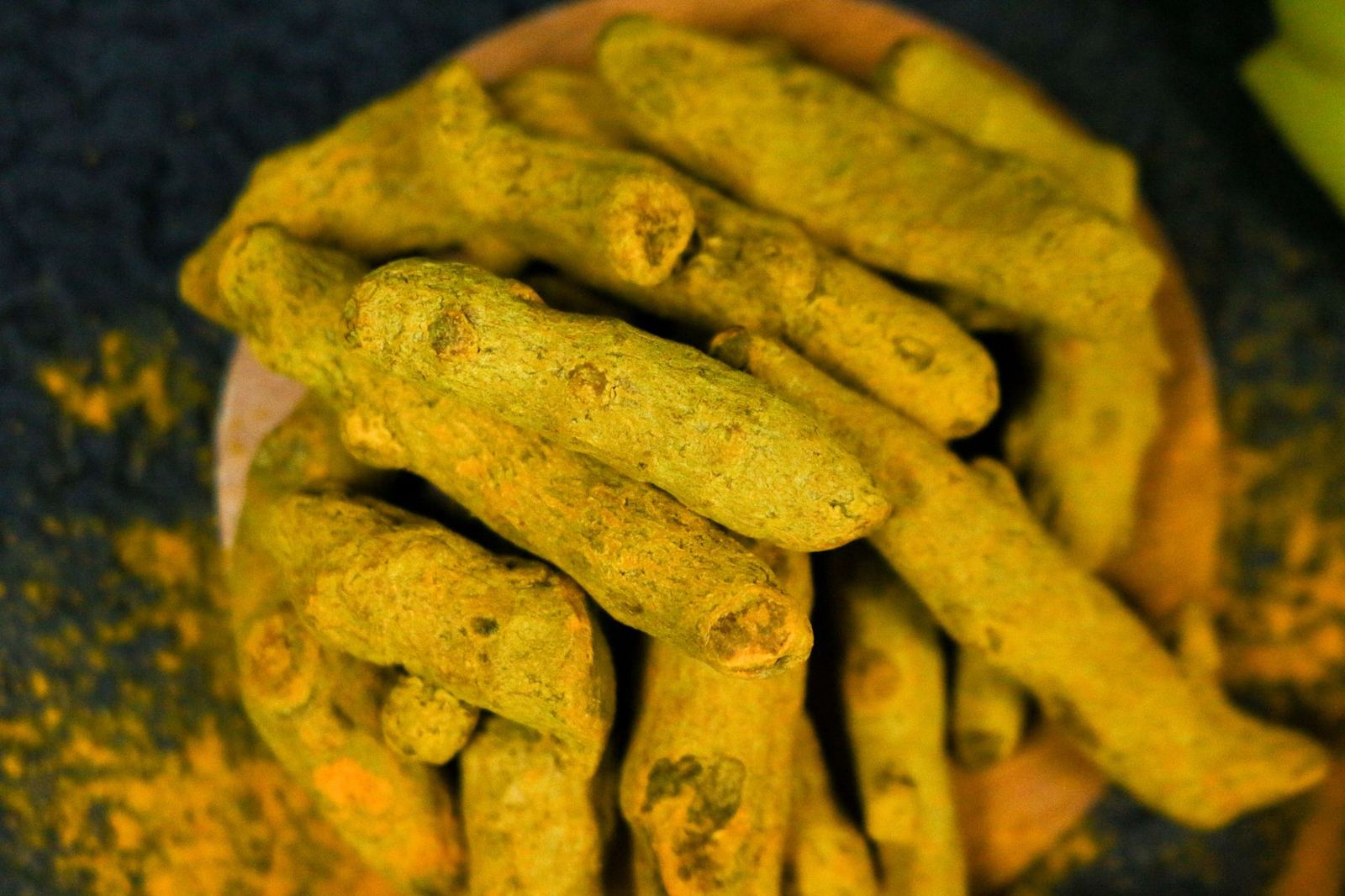
Because the research above concerns concentrated products, the sensible way to think about the spice in the kitchen is as a flavoring and a traditional ingredient. It goes into lentil dishes, rice, vegetable stir-fries, soups and spiced milk. The powder stains cutting boards and fingers, so cooks tend to measure it over the pot and wipe up promptly. Freshness matters for flavor: an old jar loses its aroma, so buying small amounts of ground turmeric and keeping it sealed away from heat and light gives a more vivid taste. Whole fresh rhizomes can also be grated into a dish, and they look much like small knobs of ginger with orange flesh inside.
Many traditional recipes pair turmeric with black pepper, and NCCIH mentions that piperine from black pepper appears in some curcumin products. That is a note about supplement formulations, and nothing here claims that a pinch of pepper changes what a meal does in the body.
Timing and rhythm also shape how spices are used in a traditional household: what is cooked in the morning, what is lighter at night, and when the main meal is eaten. Those ideas belong to the daily framework covered in the guide to dinacharya.
Frequently asked questions
Is turmeric the same as curcumin?
No. Curcumin is a major component of turmeric and gives the spice its yellow color, but turmeric is the whole ground rhizome. Studies often test curcumin products, which can contain more curcumin than food does.
Does Ayurveda prove turmeric works?
Ayurveda is a traditional system, and its texts record long use rather than clinical proof. NCCIH says not enough is known to conclude that turmeric or curcumin is beneficial for any health purpose.
Can turmeric supplements harm the liver?
NCCIH reports that liver damage has been reported in some people who consumed curcumin products with increased bioavailability. Anyone with symptoms such as dark urine or jaundice should stop the product and contact a health care provider.
Is turmeric safe during pregnancy?
NCCIH says turmeric supplements during pregnancy may be unsafe. Anyone who is pregnant should ask a clinician about supplements before using them.