
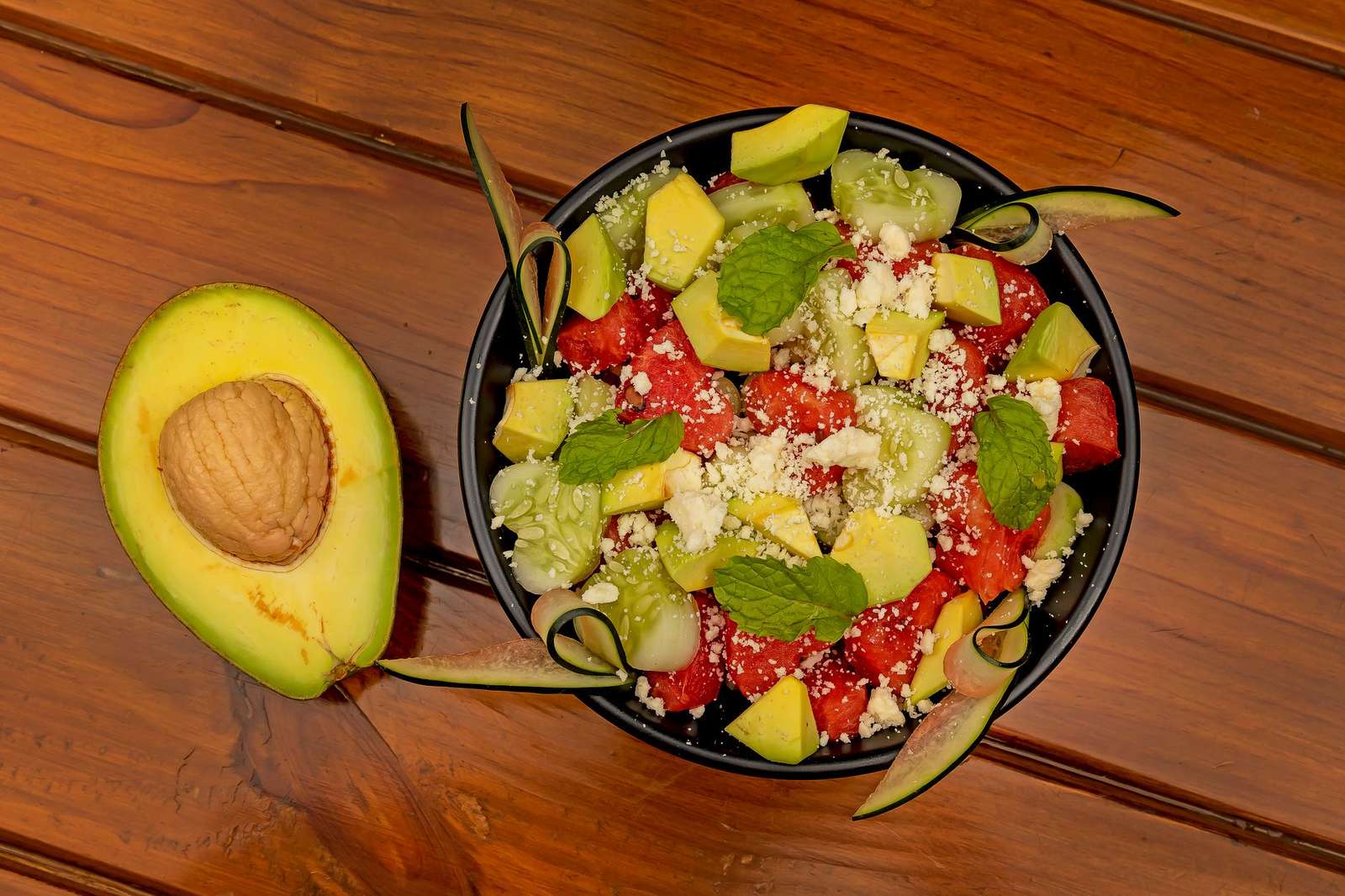
A pitta diet, in Ayurvedic tradition, favours cooling, lightly seasoned, sweet and bitter foods and goes easy on heat, because pitta is the dosha linked to fire and digestion. This guide explains the idea and how cooks apply it.
It belongs to the wider approach described in the guide to ayurvedic cooking, where food is chosen for its temperature and qualities as well as its taste.
Pitta in Ayurvedic theory
Pitta is one of the three doshas. A review of Ayurveda, genetics and epigenetics in the journal Ayu says pitta is formed from the elements with properties of fire and water, and that it regulates digestion, metabolism and transformation, including energy exchange, appetite and endocrine functions.
Cleveland Clinic gives the everyday version: pitta is loosely translated as fire, so think of this energy type as something that consumes other things. People described as pitta-dominant are said to be leaders who are competitive, strong-willed, confident and focused. When pitta is out of balance, the tradition links it to a quick temper, rash decisions and inflammation-type problems such as rashes, skin conditions and digestive issues.
These are traditional descriptions, not diagnoses. The same Cleveland Clinic article says very few rigorous studies that meet Western standards of scientific validity have been conducted on Ayurveda, so the framework is a way of organising food choices and not a proven medical model.
Cooling as the guiding idea
Because pitta is described as hot, the traditional counterbalance is food with cooling qualities. Cleveland Clinic reports that, to balance pitta, practitioners might suggest participating in cool, calming activities, and that eating cooler foods, or a Mediterranean diet that helps with inflammation, are also possible suggestions.
The Ayurvedic seasonal regimen shows the same logic in the hot, bright days of early autumn, which the texts treat as a pitta season. A review of Ritucharya says foods in that season are having Madhura (sweet) and Tikta (bitter) taste, and of Laghu (light to digest) and cold properties are advised. It lists wheat, green gram, sugar candy and honey among the foods to include.
The same passage says fat, oils and curds are not to be included in the diet during that season, and that one should eat only when there is a feeling of hunger. That detail is worth noting because it shows that the classical advice differs from some modern retellings, which add heavier foods to every dosha diet.
Foods usually associated with a pitta diet
Writers who summarise the tradition tend to group foods by how they feel and taste. The list below follows the qualities in the classical texts and works as a starting point for the kitchen.
- Grains: wheat and rice, eaten at room temperature or just warm instead of piping hot.
- Legumes: green gram, known elsewhere as mung beans, which the seasonal texts name directly.
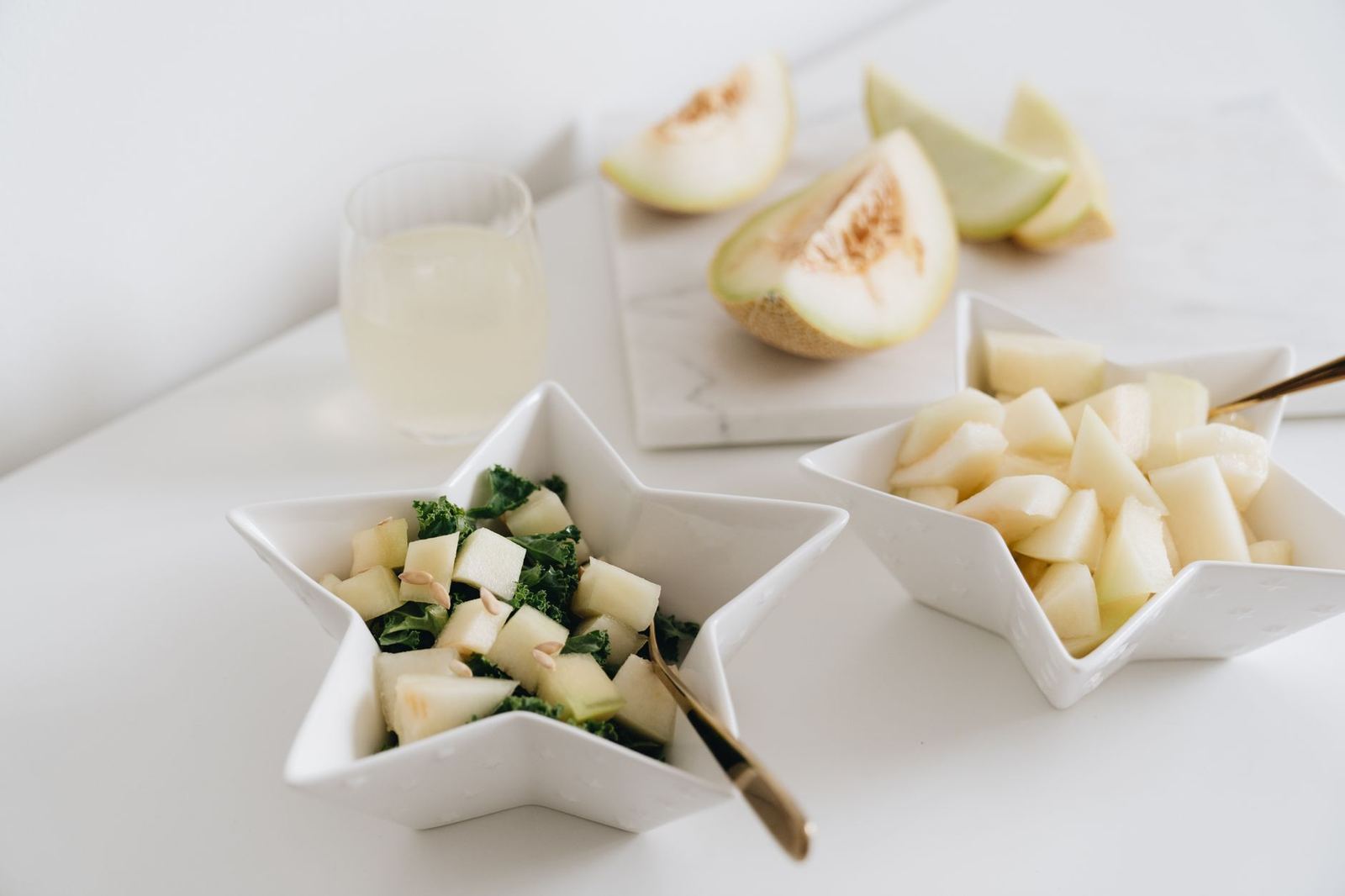
- Vegetables: sweet and bitter vegetables such as cucumber, gourds, leafy greens and zucchini, often steamed lightly or eaten fresh.
- Fruits: sweet, juicy fruits such as melon, pears and grapes.
- Sweeteners: honey and sugar candy in small amounts.
- Drinks: water, coconut water and room-temperature herbal infusions, in place of iced or very hot drinks.
The things the tradition asks people to reduce are the opposite of this list: very hot, sharp, oily or heavily spiced foods. That is why chilli, fried foods and salty snacks are usually the first items cut when a cook adapts a meal.
Spices and ghee on a pitta plate
Spices are still welcome, but the focus shifts to mild, aromatic ones. Cumin, coriander and ginger are described in the Ayurvedic plants article as aiding digestion through the production of digestive enzymes, and their actions depend on the constitution of the person concerned. Fennel and fresh coriander leaf are common in cooling dishes and teas, while very hot chilli is generally limited.
The health pages add useful limits. NCCIH reports that ginger can cause abdominal discomfort, heartburn and diarrhea when taken orally, which is relevant to anyone whose pitta is described as showing up in the stomach. On turmeric, the agency says we don’t know enough to definitively conclude if turmeric or curcumin is beneficial for any health purposes, so it belongs in the pot as flavour.
Ghee is a more nuanced case. The ghee review reports that cow, goat and human ghee reduce all three doshas, while buffalo ghee increases pitta, so the type of ghee matters in the classical scheme. Modern dietitians remind readers that ghee is a saturated fat to be used in moderation.
How the pitta diet differs from the vata diet
The two diets pull in opposite directions. The vata diet asks for warm, moist, grounding food in cold and dry conditions, while the pitta diet asks for cooling, light food in hot ones. The texts themselves show both ideas in seasonal terms, with the late autumn advice for vata stressing unctuous food and the early autumn advice for pitta stressing light and cold food.
The kapha diet, covered separately, takes a third direction: Cleveland Clinic says people with imbalanced kapha are steered toward lighter fare such as fruits and vegetables in smaller portions. Seeing all three side by side makes it clear that the tradition describes a person by the balance of the three, not a single type, and that the right meal depends on the weather as well as the individual.
Using the idea sensibly
A pitta-style plate is easy to build from ordinary food: a pot of mung beans and rice, cooling cucumber and mint, a sweet fruit for dessert and a pitcher of water. Nothing in it needs special equipment.
Temperature and timing deserve a word too. Cooks who follow the tradition tend to let hot dishes cool slightly before serving, to avoid skipping meals and then eating a large one in a rush, and to keep portions comfortable instead of heavy. These habits cost nothing, suit almost any menu, and fit the tradition’s general preference for calm, regular eating over extremes of heat, hunger or spice.
Some people have stomach pain, heartburn or inflammatory conditions that deserve proper medical attention. NCCIH is clear that people should not use Ayurvedic medicine to postpone seeing a conventional health care provider about a medical problem, and that those with a health condition should talk with their provider before using Ayurvedic products. Anyone who is pregnant or nursing, or who takes medication, should do the same before changing the diet or starting an herb or supplement.
NCCIH also notes that some Ayurvedic preparations may contain lead, mercury, or arsenic in amounts that can be toxic, a risk linked to supplements and not to ordinary cooking. This site is independent and is not affiliated with any Ayurvedic school, clinic, practitioner or product brand.
Frequently asked questions
Does a pitta diet mean avoiding all spice?
No. The tradition prefers mild, aromatic spices such as cumin, coriander and fennel and asks people to limit very hot or sharp ones.
Is the pitta diet the same as a Mediterranean diet?
Not exactly. Cleveland Clinic mentions a Mediterranean diet as one possible suggestion alongside cooler foods, but the two come from different traditions.
Can the pitta diet treat acid reflux or skin conditions?
The tradition links pitta imbalance with such problems, but no strong evidence shows the diet treats them, so a clinician should be consulted.
Should cold food always be chosen for pitta?
The tradition says cooling and light, which usually means room temperature or lightly cooked food and not ice-cold drinks.