
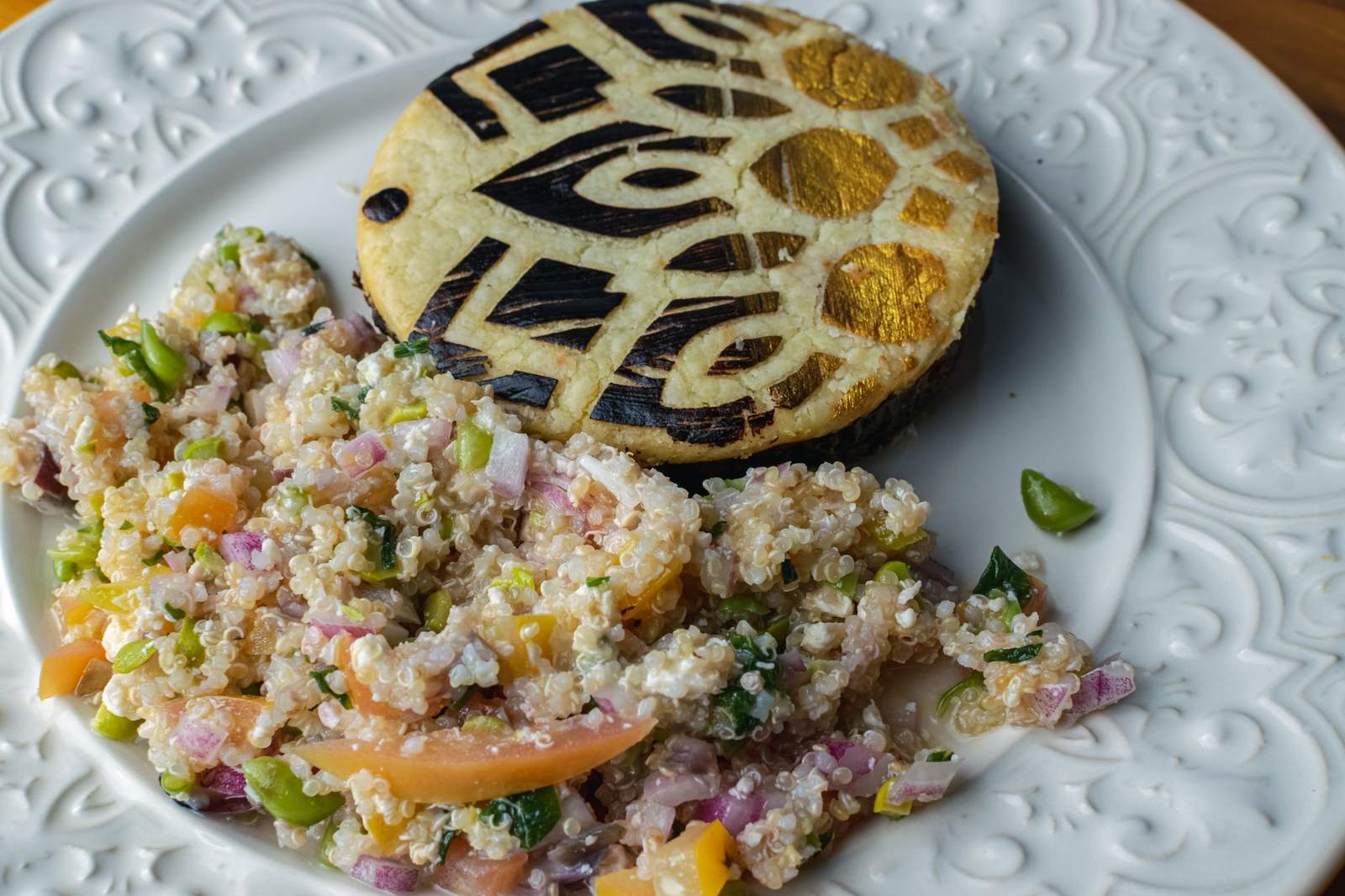
How to cook quinoa comes down to a few steps: rinse it if the package says so, use about two parts liquid to one part dry quinoa, bring it to a boil, then cover and simmer until tender.
It is a staple of everyday vegetarian cooking, and the method below works as a base for bowls, salads and soups.
What quinoa is, and why it behaves differently from rice
Harvard’s Nutrition Source describes quinoa as a type of edible seed that comes in various colors including black, red, yellow and white. It is indigenous to the Andean region of South America, specifically Bolivia, Ecuador, Chile and Peru, and the plant has been cultivated for about 5000 years. Though technically a seed, it is classified as a whole grain.
That matters in the kitchen. Quinoa cooks in a pot much like rice, but the grains are tiny, they absorb liquid quickly, and each one can unfurl into a small curl as it finishes. The goal is separate, tender grains rather than a sticky mass, and almost every common problem comes from too much liquid, too much stirring or too little resting time.
Healthline describes quinoa as a pseudocereal, a seed prepared and eaten like a grain, in the same family of foods as buckwheat and amaranth. It is also naturally gluten-free, though the package label is worth checking for cross-contamination.
Rinse or skip the rinse?
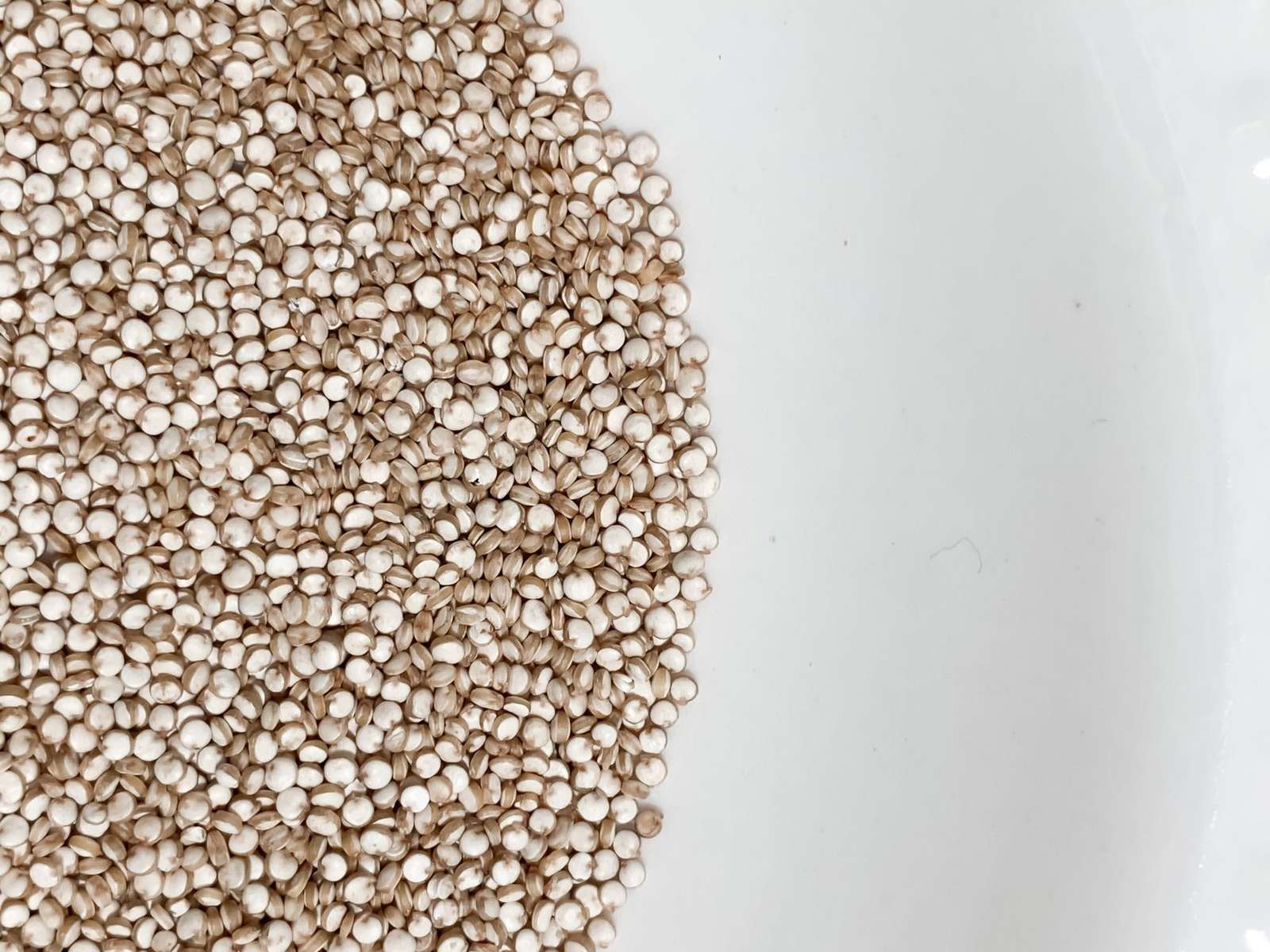
Quinoa seeds carry a natural coating of saponins. Harvard explains that after harvest the seeds are processed to remove these bitter-tasting compounds, which act as a natural pesticide on the outside of the seed. Packaged quinoa is usually pre-rinsed, but some brands may advise rinsing before cooking to remove any remaining saponins.
The practical rule is to follow the package. When rinsing is advised, use a fine mesh strainer so the small seeds are caught, and run the quinoa under cool water for a few passes. Healthline notes that the saponins are found naturally on the outer layer and can taste bitter, and that some brands sell quinoa pre-rinsed, making this step unnecessary.
Healthline adds that the saponins, tannins and phytic acid in quinoa can bind with nutrients such as iron and magnesium and reduce their absorption, and that rinsing, soaking or sprouting the quinoa before cooking can reduce this content. For anyone unsure about a brand, rinsing costs little time and removes the risk of a bitter pot.
The basic method, step by step
The ratio is the same as for many rice dishes. Harvard says quinoa is prepared similarly to rice using two parts liquid to one part dry quinoa, and that it can be prepared in water, stock or other liquids. One cup of dry quinoa will yield 3 cups cooked, which is useful when planning a week of lunches.
The ingredients are short:
- 1 cup quinoa, rinsed if the package advises it
- 2 cups water or stock
- A dash of salt, if wanted
- Optional herbs or spices for the pot, such as bay leaves, marjoram, thyme or black pepper
The method follows the sequence Harvard describes, with the optional dash of salt that Healthline includes:
- Rinse the quinoa in a fine mesh strainer if needed, then drain it well.
- Add the quinoa, the liquid, the salt and any herbs to a pot and bring to a boil on high heat.
- When a rolling boil is reached, reduce the heat to low and cover the pot.
- Simmer for about 15 minutes or until tender. A little white “tail” unfolds when the grains are fully cooked; this is the germ.
- Fluff with a fork before serving.
Healthline gives the same ratio and says quinoa can be ready to eat in as little as 15 to 20 minutes, with most of the water absorbed and a fluffy look. Done right, it should have a mild, nutty flavor and a satisfying crunch.
Fixing wet, bitter or bland quinoa
Quinoa that is too wet is the most common complaint. Harvard’s advice is to drain the cooked quinoa in a strainer if it is too wet or if a drier result is preferred, return it to the pot, then cover it and let it sit for 15 minutes to dry out further.
Bitter quinoa usually points back to the saponins, so rinsing more thoroughly next time is the fix. Bland quinoa is a seasoning problem: cooking in stock instead of water, adding a bay leaf or herbs to the pot, and finishing with fat and spice all make a difference.
A rice cooker is another option. Harvard says quinoa can be prepared in a rice cooker using the same ratio of 1 cup quinoa to 2 cups water, which makes it a hands-off choice for busy weeks.
Choosing a variety
The colour of the seed changes the flavour and the texture. Harvard reports that there are more than 120 known varieties of quinoa, and that white and yellow quinoa have the mildest flavor, so they are good varieties to try first. Red and black quinoa have slightly stronger, earthier flavors and tend to hold their shape better than lighter colored quinoa.
| Variety | Character |
|---|---|
| White and yellow | Mildest flavor; good varieties to try first |
| Red and black | Slightly stronger, earthier flavors; tend to hold their shape better |
The table summarises the variety notes on the Harvard Nutrition Source quinoa page.
Because red and black quinoa tend to hold their shape, they are a natural fit for salads and cold bowls, while white quinoa suits dishes where a gentle flavour is wanted.
Seasoning and serving ideas
Plain quinoa is a blank canvas, and the most flavourful way to use it is to add spice in hot fat at the end. A tadka of whole spices crackled briefly in oil or ghee can be poured over the finished grains, a technique that Wikipedia describes as cooking whole spices briefly in oil or ghee to liberate essential oils and enhance their flavours before pouring them, together with the oil, into a dish.
Harvard offers its own serving ideas. Quinoa can be prepared as a breakfast cereal by cooking it in milk or water and stirring in diced fresh fruit, cinnamon and a tablespoon of nuts. It can replace rice in stir-fries and sushi, it can go into salads or soups for more heartiness, and it can replace pasta in pasta salad. It can even be popped in a hot, dry pot similarly to popcorn.
Healthline notes that combining quinoa with beans, tofu and mixed vegetables quickly makes a plant-based, protein-rich meal.
Nutrition notes and cautions
Harvard says one cup cooked provides about 8 grams of protein and 5 grams of fiber, and that quinoa is a good source of plant protein. It lists manganese, phosphorus, magnesium, folate and thiamin (vitamin B1) among the nutrients it supplies. Healthline notes that some experts argue quinoa should be considered nearly complete rather than complete protein because it contains low amounts of certain amino acids, and that experts recommend eating various protein-containing foods through the day.
There are cautions too. Healthline points out that, according to a 2022 review, quinoa is also pretty high in oxalates, which can potentially contribute to recurring kidney stones. Anyone with a kidney condition, another health condition, or who is pregnant or taking medication should talk to a clinician or registered dietitian before making quinoa a daily staple.
It is also worth remembering what quinoa does not supply. MedlinePlus says vitamin B12 is not present in plant foods unless fortified, so a quinoa-based diet still needs a plan for that nutrient. The article on the vitamin B12 vegetarian question explains the usual sources, and this page makes no claim that quinoa prevents or treats any condition.
This site is an independent informational resource and is not affiliated with any brand, author or practitioner.
Frequently asked questions
Does quinoa always need rinsing?
Not always. Packaged quinoa is usually pre-rinsed, but Harvard says some brands advise rinsing to remove any remaining saponins, so the package instructions decide.
What liquid ratio gives fluffy quinoa?
Harvard gives two parts liquid to one part dry quinoa, the same as 1 cup quinoa to 2 cups water in a rice cooker or pot.
How can wet quinoa be rescued?
Drain it in a strainer, return it to the pot, cover it and let it sit for 15 minutes so it dries out further.
Is quinoa gluten-free?
It is naturally gluten-free according to Harvard, and Healthline advises checking the package label for cross-contamination.
How much cooked quinoa does one cup of dry quinoa make?
One cup of dry quinoa yields 3 cups cooked, according to Harvard.