
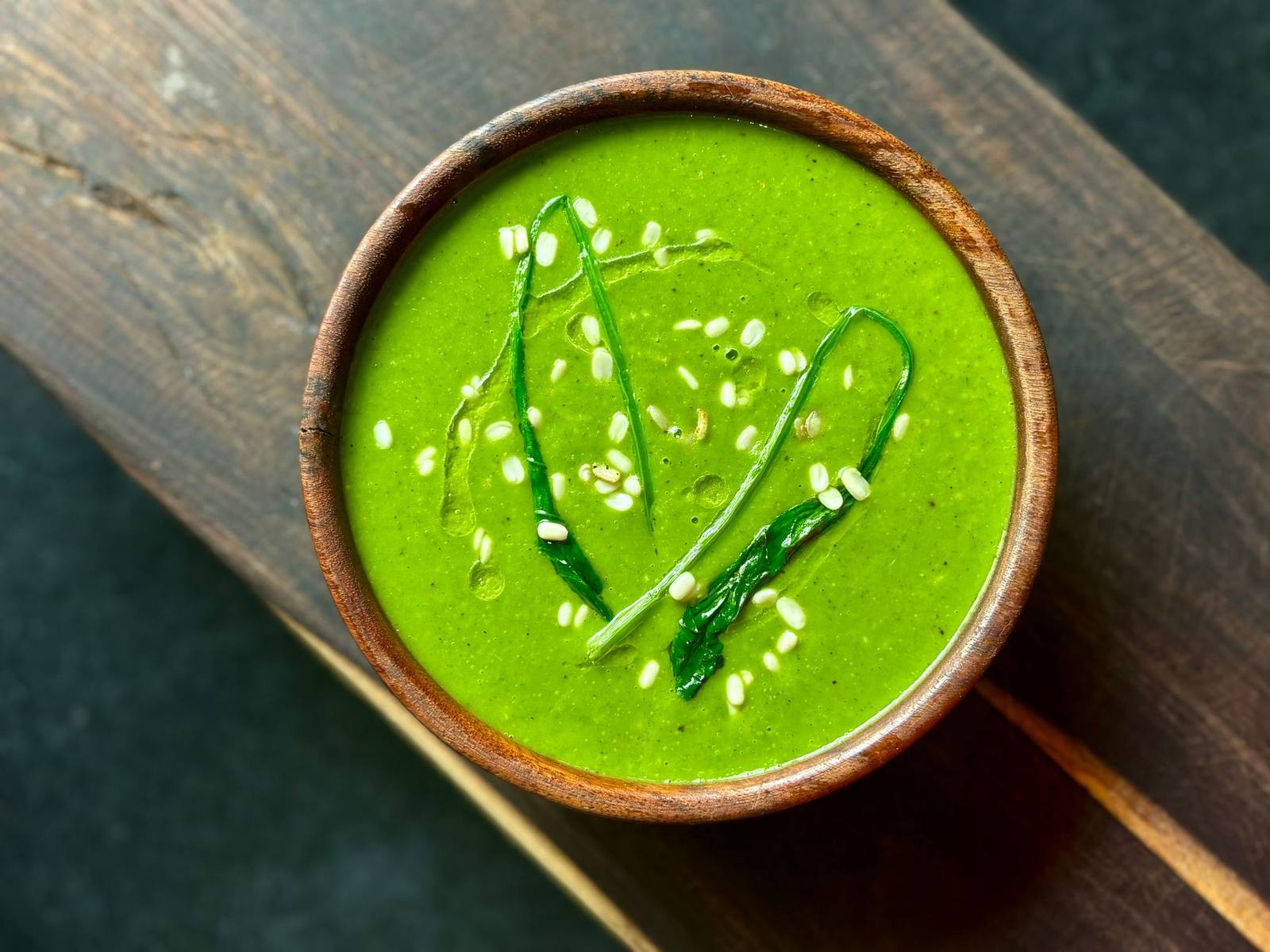
Fennel soup is a light, summery bowl made by softening sliced fennel bulb and onion in a little oil, simmering them in vegetable stock and blending them with fresh dill into a pale green, fragrant purée. It can be served warm or chilled.
It is a gentle, refreshing dish among the ayurvedic recipes on this site, and the method below needs only one pot and a blender.
What makes this fennel soup light and cooling
Fennel bulb is crisp and faintly sweet, with a mild anise flavor that softens when cooked. Dill adds a grassy, fresh note, and a squeeze of lemon lifts the whole bowl. The soup has no cream and only a modest amount of fat, so it feels clean and light on a warm day.
In Ayurvedic tradition, which NCCIH describes as combining products (mainly derived from plants), diet, exercise and lifestyle, meals are often matched to the season. A cooling, lightly spiced soup is a natural fit for summer under that idea, though this page presents it first and foremost as a recipe.
Ingredients
This makes a generous pot of soup. Amounts are in words, since fennel bulbs and potatoes vary in size. Taste as you go.
- A couple of large fennel bulbs, trimmed, with the feathery fronds saved.
- A medium onion, thinly sliced.
- A medium potato, peeled and diced, to give the soup body.
- A spoonful of olive oil or ghee.
- A pinch of cumin seeds or fennel seeds (optional).
- Vegetable stock or water, enough to cover the vegetables generously.
- A large handful of fresh dill, stems removed.
- Juice of half a lemon, plus extra to taste.
- Salt and freshly ground white or black pepper.
- A spoonful of plain yogurt or coconut milk to finish (optional).
Method: from chopping board to bowl
- Trim the fennel, remove the tough outer layer if it looks bruised, cut out the dense core and slice the bulb thinly. Keep a few fronds for garnish.
- Warm the oil or ghee in a heavy pot over medium-low heat. Add the cumin or fennel seeds if using, and let them sizzle briefly.
- Add the onion and fennel with a pinch of salt. Cook slowly, stirring often, until both are soft and just beginning to turn translucent, without letting them brown. Browning would add a roasted flavor and spoil the pale color.
- Add the potato and stock. Bring to a boil, then lower the heat, cover and simmer until the potato and fennel are completely tender.
- Remove the pot from the heat and add most of the dill. Let it sit for a few moments so the herb softens in the warmth.
- Blend until smooth with an immersion blender, or work in batches in a countertop blender, leaving the lid vent open and covering the lid with a cloth so hot steam can escape.
- Return to the pot if needed, stir in lemon juice and taste. Adjust the salt, pepper and lemon.
- Serve with a swirl of yogurt or coconut milk, the reserved fronds and a little extra dill.
Adding the dill off the heat protects its delicate flavor, which fades quickly in a boiling pot.
Serving it warm or chilled
Served warm, the soup is comforting but still light. For a chilled version, let the soup cool, then refrigerate it until thoroughly cold, and add the lemon and a fresh handful of dill just before serving, since both lose brightness as the soup sits. A cold bowl is especially welcome beside a glass of turmeric lemonade.
Good accompaniments include toasted flatbread, a small salad of cucumber and herbs, or a spoonful of cooked rice stirred into the bowl for a more filling meal. For a sweet finish to the same meal, try the chocolate almond bars.
Tips for a smooth, balanced soup
- Slice thinly: thin fennel cooks evenly and blends without stringy bits.
- Do not skip the potato: it makes the soup creamy without dairy.
- Strain if needed: if the soup is not perfectly smooth, push it through a sieve for a velvety result.
- Season at the end: lemon, salt and pepper all taste different once the soup is blended, so wait until then to adjust.
- Use the fronds: the feathery tops are edible and make a pretty garnish.
Choosing and preparing fennel and dill
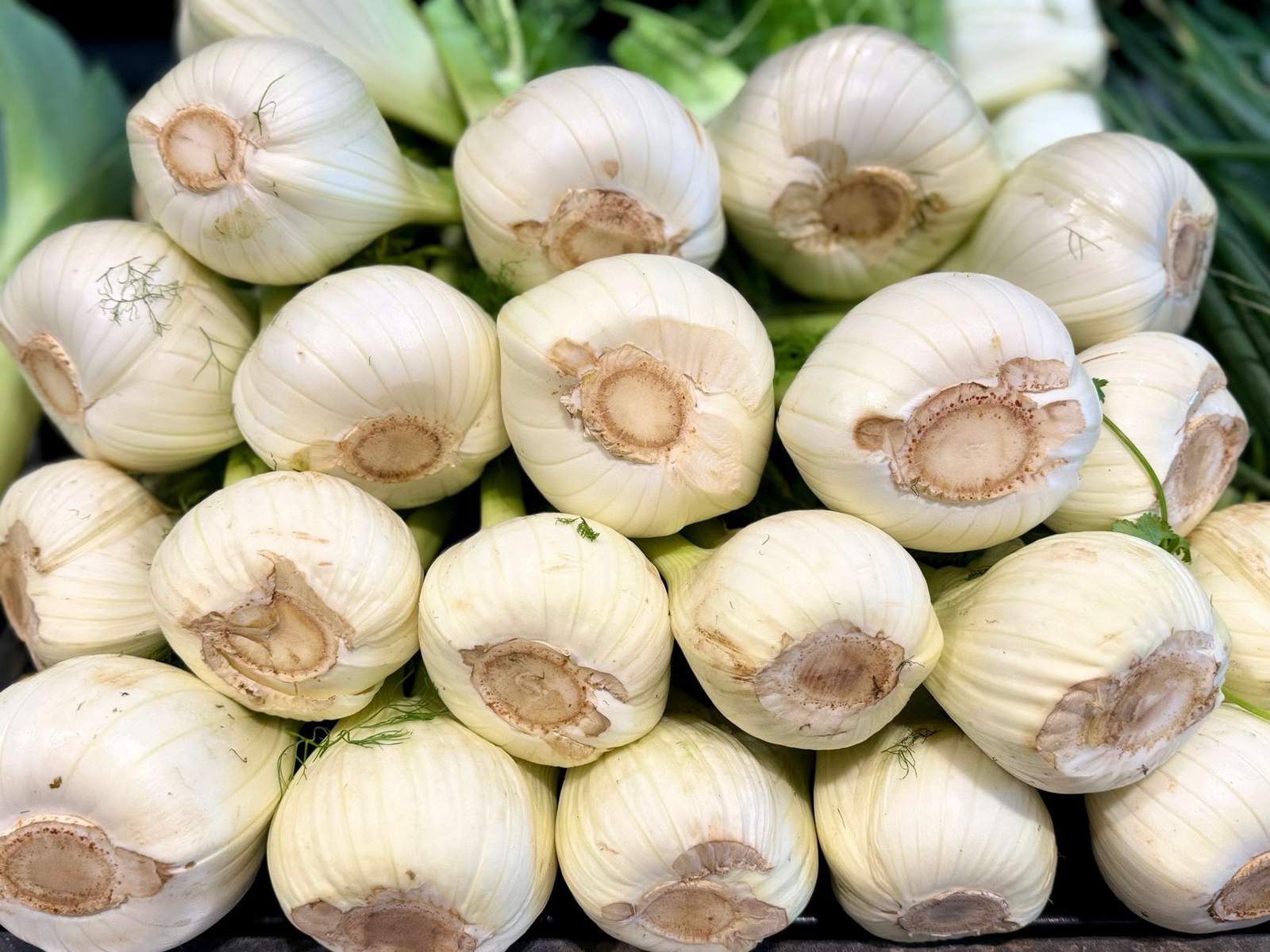
Look for fennel bulbs that are firm, pale and heavy, with no browning or cracks and with fresh, bright green fronds still attached. Limp fronds and dry, split layers suggest the bulb has been stored too long. Smaller bulbs tend to be more tender, while very large ones can have thick, fibrous outer layers that need to be peeled away.
Dill is best bought as a fresh bunch with bright, feathery leaves. Wrap the stems in a damp paper towel and keep the bunch in the refrigerator, or stand it in a glass of water like cut flowers. Chop dill only when needed, since it bruises and loses flavor quickly. The thick lower stems are tough and can go into the stock pot, but the soft tips belong in the soup.
Rinse the vegetables well. Fennel hides soil between its layers, so slice first and wash the slices, which also makes the soup cleaner and prevents any gritty texture in the final purée.
Storing leftovers safely
Cool leftover soup promptly instead of leaving it out on the counter, divide it into shallow containers so it chills quickly, and refrigerate it covered. Reheat only the portion that will be eaten until it is steaming hot throughout. The bright green color dulls with time, but the flavor remains pleasant. The soup freezes well before the yogurt and fresh dill are added, and those can be stirred in after thawing.
A note on spices, herbs and health
Fennel and dill are everyday culinary herbs here, used for flavor. The soup is not a treatment for any condition. NCCIH notes that Ayurvedic medicine is described as combining diet, exercise and lifestyle with plant-derived products, and it advises people not to use Ayurvedic medicine to postpone seeing a conventional health care provider about a medical problem. It also advises that anyone with a health condition talk with a conventional health care provider before using Ayurvedic products.
The same caution holds for any dietary change. People who have a health condition, who are pregnant or who take medicine should talk with a clinician before changing their diet or using herbs and supplements in larger amounts than normally found in food.
Ways to vary the bowl
The base soup welcomes small changes. A handful of peas added with the potato gives extra sweetness and a deeper green. A sliced leek in place of the onion makes the flavor milder and more delicate. A spoonful of white beans, blended in, thickens the soup and adds substance for a main course. Fresh mint or parsley can stand in for part of the dill, and a grating of lemon zest at the end gives a fragrant lift without more sourness.
Frequently asked questions
Can the soup be made vegan?
Yes. Use olive oil in place of ghee and finish with coconut milk or a drizzle of oil instead of yogurt.
What if the fennel has a strong anise flavor?
Cooking mellows it. Slow softening in oil and the addition of potato and lemon balance the licorice note.
Can the soup be frozen?
Yes, ideally before adding the dill, yogurt or lemon. Thaw it in the refrigerator, reheat until steaming and stir in the fresh ingredients afterward.
Can dried dill replace fresh?
Fresh dill gives the best flavor. If only dried is available, use a much smaller amount and add it earlier so it can soften in the simmering stock.