
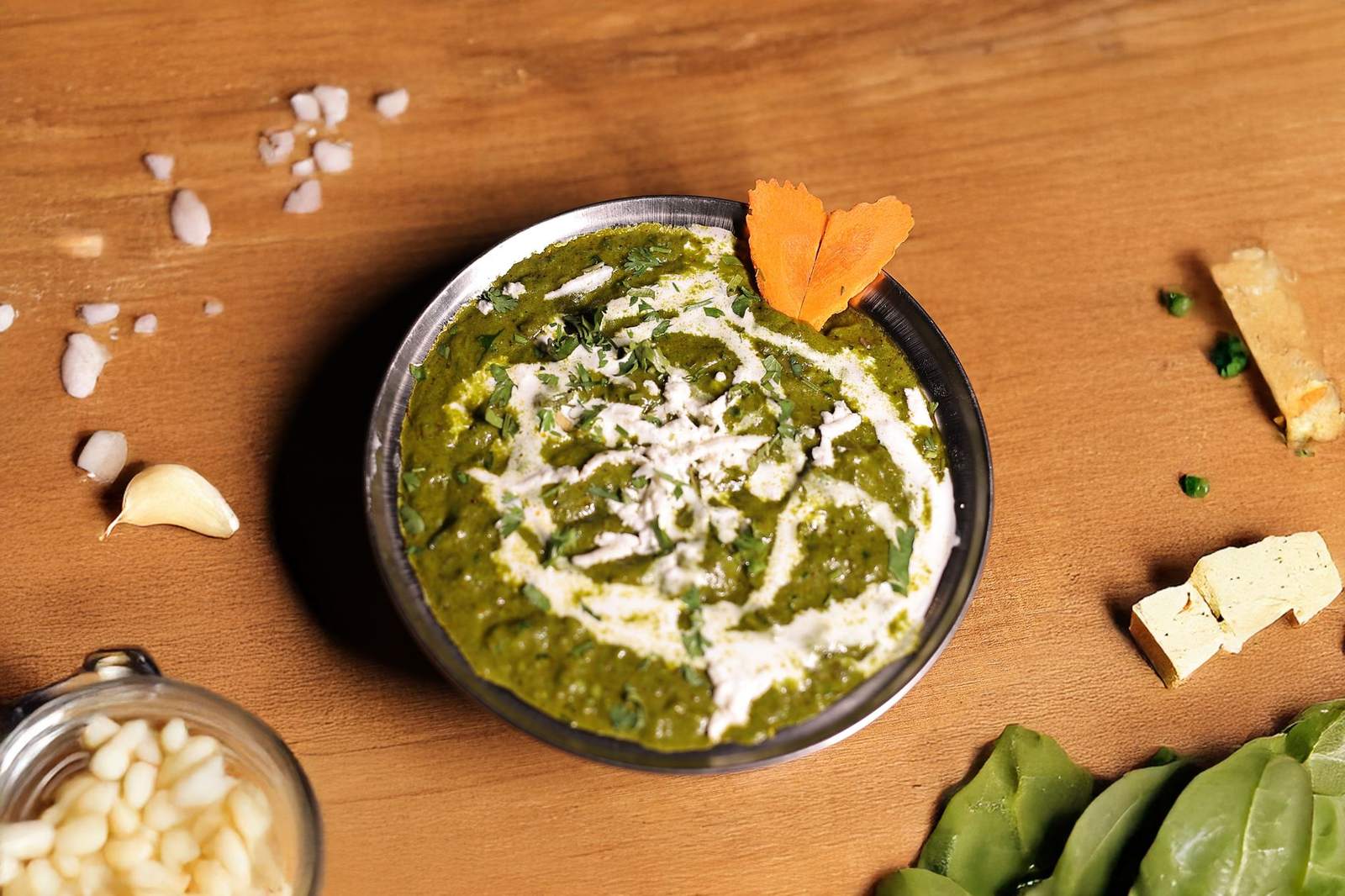
A good saag recipe turns a large heap of leafy greens into a thick, spiced, savory dish that is eaten with flatbread. Mustard greens and spinach are the classic choices, cooked down with onion, ginger and garlic.
Saag is a staple of vegetarian cooking across northern India, and the method below sticks to technique rather than strict measurements.
What saag is and where it comes from
According to Wikipedia’s saag entry, saag is a leafy vegetable dish from the Indian subcontinent. The same entry notes that the word saag is derived from the Apabhraṃśa, Prakrit word ‘sāgun’ and Sanskrit word shaak (śāka) meaning leafy green vegetables, so the name is really a category rather than a single recipe.
The entry also says saag can be made from mustard greens, collard greens, basella or finely chopped broccoli along with added spices and sometimes other ingredients, such as chhena. In Punjab, it says, saag is usually made with mustard leaves, although spinach is common in other parts of the world. That regional split explains why one cook’s saag is sharp and slightly bitter, while another’s is mild and sweet: the pot reflects the leaf.
Saag is also a seasonal dish. A reference quoted in the same entry describes spinach greens, or palak saag, as a traditional winter dish from the Punjab region of northern India and Pakistan, which fits the way hardy, cold-season greens are cooked down into something warming.
Choosing and preparing the greens
The base of a classic saag is mustard greens. As Wikipedia’s entry on the mustard plant puts it, the seeds can also be pressed to make mustard oil, and the edible leaves can be eaten as mustard greens. Mature leaves carry a peppery bite that softens as they cook, and many cooks balance them with a milder leaf. A common blend is mustard greens for flavor and spinach for sweetness and body, with fenugreek leaves or collards added if they are around.
Preparation starts with washing. The U.S. Food and Drug Administration advises to wash all produce thoroughly under running water before preparing and eating, including produce grown at home or bought from a grocery store or farmers’ market. Its guidance also says that washing fruits and vegetables with soap, detergent, or commercial produce wash is not recommended. For saag, that means filling a clean sink or basin with cool water, lifting the leaves out so grit stays behind, and repeating until the water is clear.
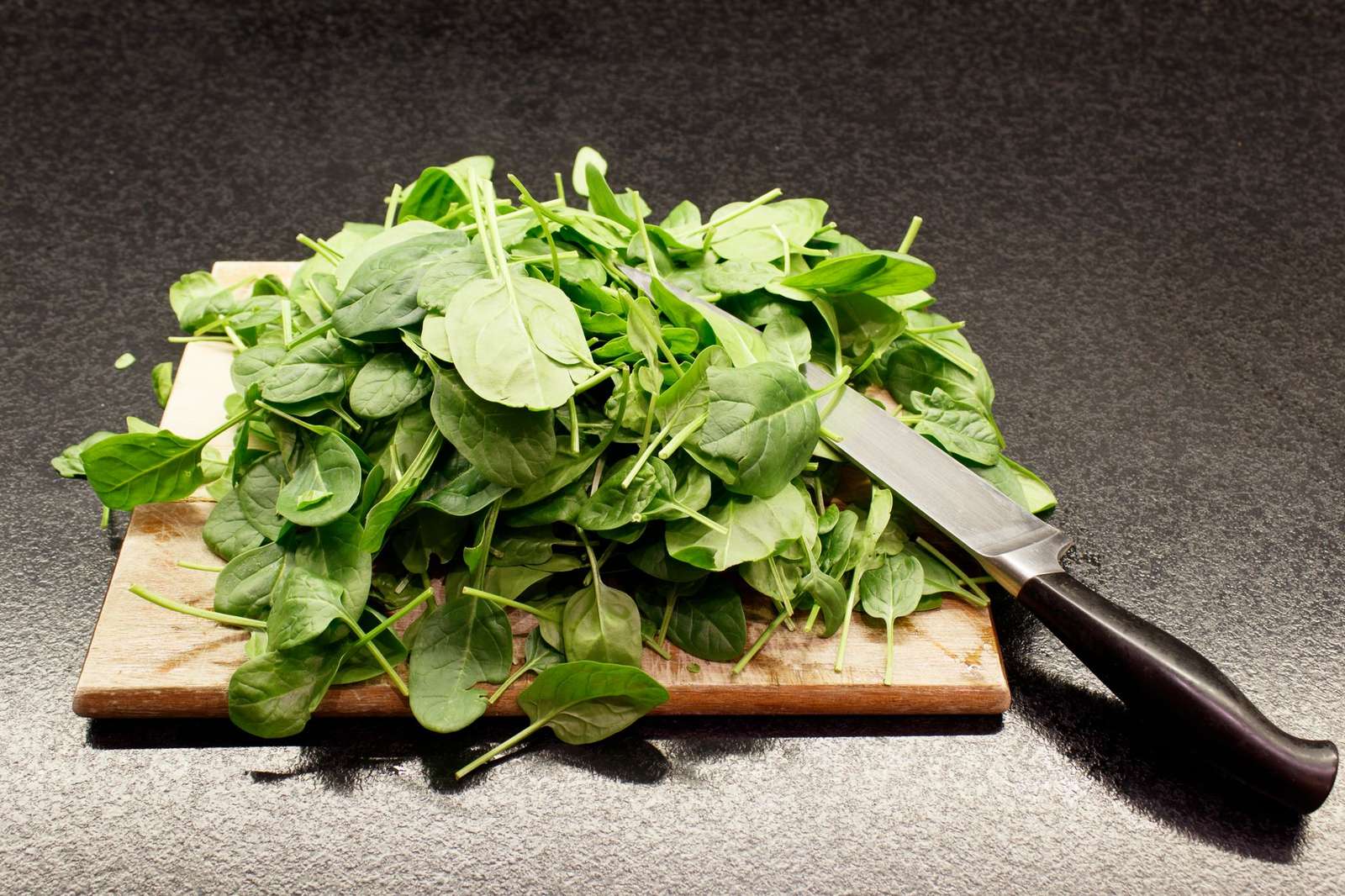
Then trim. Pull the thickest, toughest stems off mustard leaves and discard them, since they stay stringy even after long cooking. Tender stems from spinach can stay in, chopped roughly. Everything gets a coarse chop before it goes in the pot, which helps the greens wilt evenly.
Ingredients for a basic saag
This is an original, flexible method. Because no measured source is cited here, proportions are given in words: use enough greens to fill a large pot to the brim, since they shrink dramatically as they wilt.
- A very large bunch of mustard greens, washed and trimmed
- A large bunch of spinach, washed
- A handful of fenugreek leaves or collards, optional
- Ghee or a neutral oil, plus a little extra butter for finishing
- An onion, finely chopped
- Plenty of fresh ginger, grated, and several cloves of garlic, minced
- A fresh green chili or two, slit or chopped, to taste
- Whole cumin seeds, ground coriander, turmeric and salt
- A spoonful of cornmeal or fine maize flour to thicken, optional
- A squeeze of lemon juice to finish
The method, step by step
The traditional approach is to cook the greens down until they are very soft, then mash or blend them roughly so the dish has a thick, spoonable texture. Cooks in some regions go further and use the same boil-then-grind idea for other wild leaves. For example, the Wikipedia entry describes a nettle version in which the leaves are boiled in water, rendering their stinging hairs harmless, before grinding them into a paste and cooking with ghee, tomato and spices to flavour them.
- Put the washed, chopped mustard greens in a large pot with a splash of water. Cover and let them wilt over medium heat, stirring occasionally, until they collapse and turn deep green.
- Add the spinach and any fenugreek or collards. Keep cooking until everything is soft and the liquid has mostly cooked off.
- Cool the greens slightly, then blend or mash them to a coarse purée. A hand blender works well and leaves some texture.
- In a wide pan, heat the ghee or oil and add the cumin seeds. When they sizzle and smell toasty, add the onion and cook until golden and soft.
- Stir in the ginger, garlic and chili and cook until the raw smell is gone. Add the turmeric and coriander and stir for a moment so the spices do not scorch.
- Add the puréed greens and salt. Simmer gently, stirring often, so the mixture thickens and the flavors marry. If using cornmeal, sprinkle it in gradually while stirring to avoid lumps.
- Finish with a spoonful of ghee or butter and a squeeze of lemon, then taste and adjust the salt.
The pot is ready when the saag holds together on a spoon instead of running off it and the oil begins to separate around the edges. If it is too thick, loosen it with a little hot water; if it is too loose, simmer uncovered a few minutes longer.
Cooking notes: oxalates, vitamin C and iron
Greens are often described as an iron food, but the picture is more nuanced. Wikipedia’s spinach entry says spinach contains oxalates, which may inhibit absorption of calcium and iron in the stomach and small intestine, and that cooked spinach, such as by blanching, has lower levels of oxalates, allowing some micronutrients to be absorbed more completely. The same entry points out that cooking spinach significantly decreases its vitamin C concentration, as vitamin C is degraded by heating.
That trade-off is one reason a squeeze of lemon at the end of a saag recipe makes practical sense. MedlinePlus notes that foods rich in vitamin C (such as citrus, strawberries, tomatoes, and potatoes) also increase iron absorption, so a sharp, fresh finish does double duty at the table. For plant-based eaters, a lemon wedge on the plate is a simple habit worth keeping.
Serving saag
Saag is rarely eaten alone. As the Wikipedia entry on saag explains, it is commonly served hot, usually with roti (wheat bread), chapati, makki ki roti, bajra ki roti and topped with clarified butter. The same page notes that the most common preparation in northern India is sarson ka saag (mustard plant leaves), which may be eaten with makki ki roti, a yellow roti made with maize flour.
Fresh, soft flatbread is the natural partner, and the method for it is covered in the guide to making chapati on this site. Rice also works, and a spoonful of plain yogurt on the side adds a cooling contrast.
Saag also pairs well with other dishes on the table. A simple vegetable curry alongside saag gives a meal with two textures and two spice profiles, and a bowl of dal or rice rounds it out.
Storing and reheating
Saag usually tastes better the next day, once the spices have settled into the greens. Cool it quickly, cover it, and keep it in the refrigerator. Reheat gently in a pan with a splash of water, stirring until it is hot all the way through, then finish with a fresh knob of butter or a squeeze of lemon to bring the flavor back.
As with any cooked leftovers, keep portions small enough to cool quickly and avoid leaving the pot on the counter. Saag can also be frozen in small containers for easy weeknight meals, and the texture holds up well because the greens are already puréed.
People with a health condition, who are pregnant, or who take medication should check with a clinician before making major changes to their diet. Saag is an everyday food, but individual circumstances differ.
Frequently asked questions
Can saag be made with only spinach?
Yes. Spinach-only saag, often called palak saag, is milder and sweeter than the mustard version, and it cooks down faster. Adding a few mustard or fenugreek leaves brings back some of the bite.
Why is my saag bitter?
Mature mustard greens can taste harsh, especially the thick stems. Trim the toughest stems, blend with a milder leaf such as spinach, and finish with a little butter or ghee to round off the edge.
Do I need to blend the greens?
Not strictly. Blending gives the classic thick, even texture, while a rough chop with long simmering gives a more rustic saag. A hand blender used briefly sits somewhere in between.
Can saag be made vegan?
Yes. Use a neutral oil instead of ghee or butter, and skip any dairy garnish. Cornmeal and a squeeze of lemon still give body and brightness.