
Iron vegetarian diet planning comes down to eating a variety of plant sources, pairing them with vitamin C, and watching what else is on the plate. With careful planning, a meatless diet can supply the iron the body needs.
Iron is one nutrient to think about when learning vegetarian cooking, and the sections below cover the two forms of iron, good plant sources and kitchen habits that help.
Why iron matters
Harvard’s Nutrition Source states that iron is an important mineral that helps maintain healthy blood. It explains that iron is a major component of hemoglobin, a type of protein in red blood cells that carries oxygen from your lungs to all parts of the body. Without enough iron, there aren’t enough red blood cells to transport oxygen, which leads to fatigue.
MedlinePlus adds that the body cannot make iron, so it must be taken in with the food we eat. When iron stays low for a long time, the result can be iron deficiency anemia, and MedlinePlus lists symptoms that include lack of energy, shortness of breath, headache, irritability, dizziness, or weight loss. Those symptoms have many possible causes, which is why a blood test and a clinician’s advice matter more than guesswork.
Harvard says iron-deficiency anemia affects all ages, with children, women who are pregnant or menstruating, and people receiving kidney dialysis among those at highest risk for this condition. Nothing on this page replaces that kind of individual assessment.
Heme and non-heme iron
The key idea for vegetarians is that iron in food comes in two forms. According to Harvard, iron from food comes in two forms: heme and non-heme. Heme is found only in animal flesh like meat, poultry, and seafood. Non-heme iron is found in plant foods like whole grains, nuts, seeds, legumes, and leafy greens.
The forms are not absorbed equally. Harvard notes that heme iron is better absorbed by the body than non-heme iron, and it names the consequence for meatless eaters: those who eat a diet without heme iron from meats, fish, and poultry may develop iron-deficiency anemia if they do not include adequate non-heme iron foods in the diet. Because non-heme iron is not well-absorbed, either greater quantities of these foods may be required or careful attention is needed in how they are eaten to improve absorption.
The reassuring side is also on record. Harvard states that it is possible to obtain enough iron in a vegetarian/vegan diet with careful planning, and the NHS says most people should be able to get all the iron they need by eating a varied and balanced diet.
Plant foods that supply iron
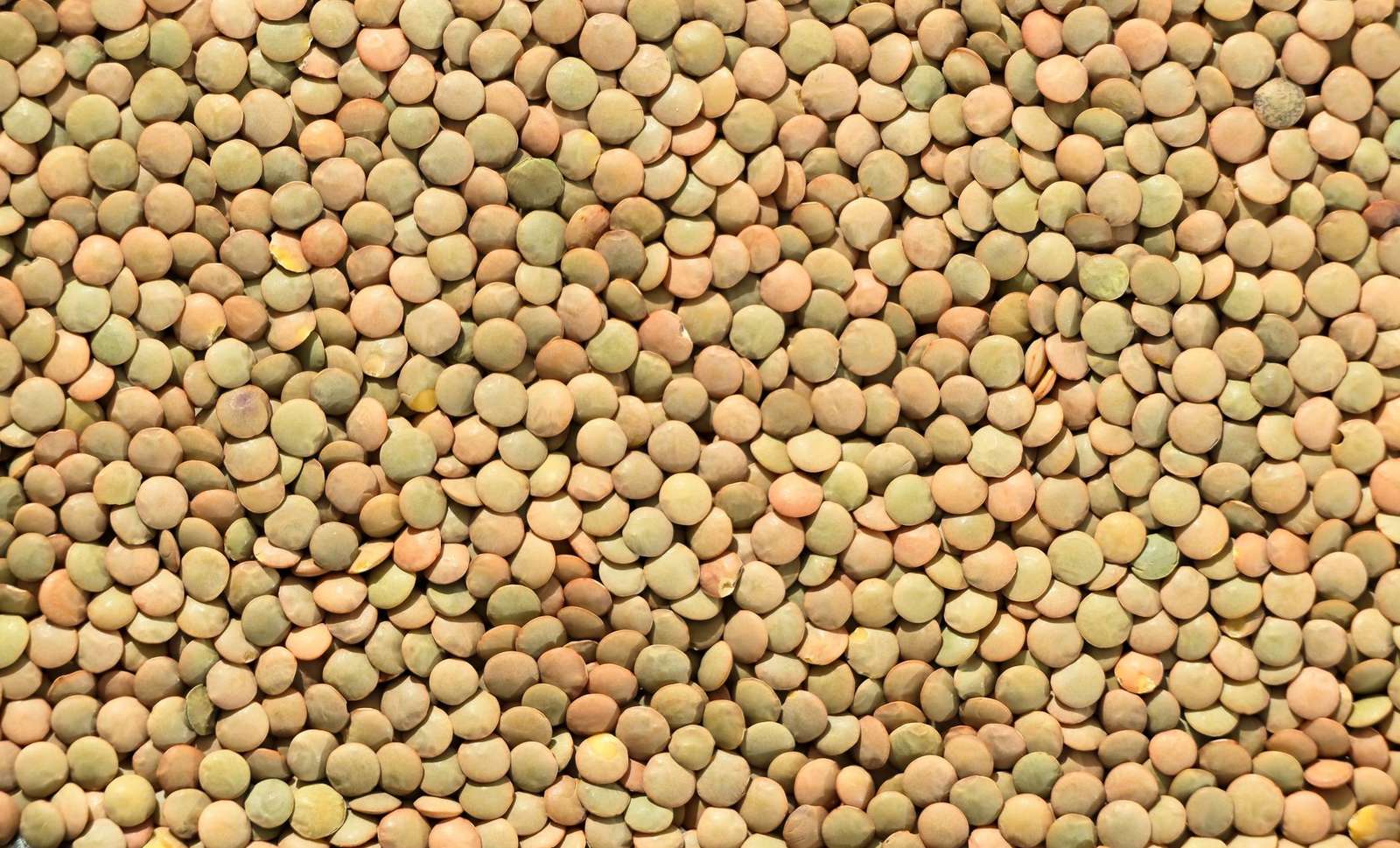
The lists published by health agencies overlap heavily. Harvard names fortified breakfast cereals, beans, lentils, spinach, potato with skin, nuts, seeds, and enriched rice or bread as sources of non-heme iron. The NHS lists beans, such as red kidney beans, edamame beans and chickpeas, nuts, dried fruit such as dried apricots, fortified breakfast cereals and soy bean flour among the good sources of iron.
MedlinePlus adds dried fruits such as prunes, raisins and apricots, almonds and Brazil nuts, vegetables such as broccoli, kale, collards, asparagus and dandelion greens, and whole grains such as wheat, millet, oats and brown rice. The table groups these by type so they are easy to scan when planning meals.
| Food group | Examples named by health agencies |
|---|---|
| Legumes | Beans, lentils, chickpeas, soybeans, lima beans |
| Whole and fortified grains | Wheat, millet, oats, brown rice, fortified breakfast cereals, enriched bread |
| Dark leafy greens | Spinach, kale, collards, dandelion greens |
| Nuts and seeds | Almonds, cashews, pumpkin seeds |
| Dried fruit | Apricots, raisins, prunes |
Food groups are compiled from Harvard T.H. Chan School of Public Health, The Nutrition Source and MedlinePlus, Iron in diet.
A note about spinach
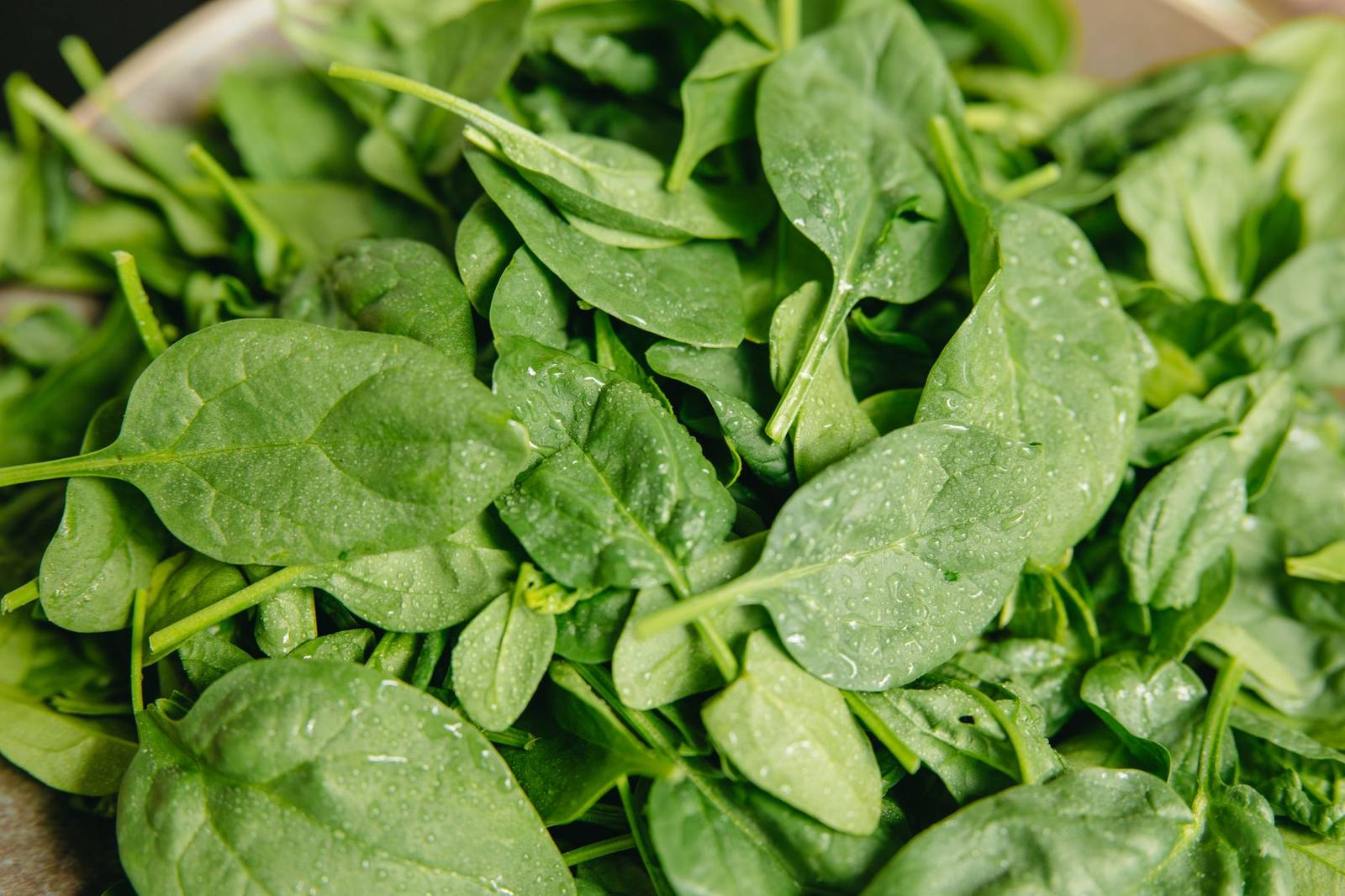
Spinach has a reputation as the iron vegetable, thanks partly to a famous cartoon sailor. Wikipedia’s spinach entry says that, as it happens, spinach is not a better source of dietary iron than many other vegetables, and it calls the idea that spinach is an especially good source of dietary iron an academic urban legend.
The same entry explains one reason: spinach contains oxalates, which may inhibit absorption of calcium and iron in the stomach and small intestine. Cooked spinach, such as by blanching, has lower levels of oxalates, allowing some micronutrients to be absorbed more completely. None of this makes spinach a poor choice. It makes it one good vegetable among many, best treated as part of a mixed diet rather than a magic fix.
Kitchen habits that help absorption
Several simple habits shift the odds toward better absorption of non-heme iron. They matter most for meals that are the main iron source of the day.
- Add vitamin C. Harvard says vitamin C and heme iron taken at the same meal can improve the absorption of non-heme iron. MedlinePlus likewise notes that foods rich in vitamin C (such as citrus, strawberries, tomatoes, and potatoes) also increase iron absorption. A squeeze of lemon over lentils, or tomatoes in a bean dish, is an easy way to do it.
- Mind the tea. MedlinePlus explains that black teas contain substances that bind to dietary iron so it cannot be used by the body. Many people simply move the tea away from the main meal.
- Watch inhibitors. Harvard lists bran fiber, large amounts of calcium particularly from supplements, and plant substances like phytates and tannins as things that can inhibit the absorption of non-heme iron.
- Use cast iron. MedlinePlus notes that cooking foods in a cast-iron skillet can also help to increase the amount of iron provided.
Harvard even offers a model combination of this kind: cooked beans or lentils with diced fresh tomatoes, raw baby spinach, pumpkin seeds or cashews, and raisins or dried chopped apricots, dressed with lemon. It pairs several iron-containing plant foods with vitamin C in a single bowl.
Putting iron into everyday meals
Instead of thinking about single foods, think about the pattern of the day. Beans or lentils appear at one meal, a whole-grain or fortified cereal at breakfast, and nuts or seeds as snacks. Add a vitamin C food to each.
Starchy staples contribute too. The NHS notes that starchy foods are a good source of energy and nutrients in our diet, and as well as starch, they contain fibre, calcium, iron and B vitamins. A soft whole-wheat flatbread is a good example, and the guide to making chapati shows how to cook one at home. Served with a bean or lentil dish and a squeeze of lemon, it makes an iron-conscious meal.
Vitamin B12 is a different nutrient with its own challenges for meatless eaters. The guide to vitamin B12 vegetarian food choices covers it separately.
Needs, limits and when to ask a clinician
Harvard gives the Recommended Dietary Allowance for adults 19-50 years as 8 mg daily for men, 18 mg for women, 27 mg for pregnancy, and 9 mg for lactation. The higher amounts for women and in pregnancy reflect blood loss through menstruation and the rapid growth of the fetus. The NHS applies its own, slightly different figures for the United Kingdom, a reminder that national guidelines differ.
More is not better. Harvard states that toxicity is rare because the body regulates iron absorption and will absorb less if iron stores are adequate, but that excessive iron occurs most often from taking high-dosage supplements when not needed or from having a genetic condition that stores too much iron. It says some people have a hereditary condition called hemochromatosis that causes an excessive buildup of iron in the body. The NHS adds that if you take iron supplements, do not take too much as this could be harmful.
The NHS also notes that women who lose a lot of blood during their monthly period (heavy periods) are at higher risk of iron deficiency anaemia and may need to take iron supplements, and it advises speaking to a GP or a registered dietitian. The same advice holds for anyone with a health condition, who is pregnant, or who takes medication: ask a clinician before starting supplements or making big changes to the diet. Iron supplements are a medical question and not covered here.
Frequently asked questions
Can vegetarians get enough iron without supplements?
Many can, with planning. Health sources describe a varied, balanced diet as enough for most people, and a clinician can check blood levels if there is a concern about low iron.
Which vegetarian foods are best for iron?
Beans, lentils, chickpeas, fortified cereals, whole grains, seeds, nuts and dried fruit are all named by health agencies. Variety and pairing with vitamin C matter more than any single food.
Does tea or coffee affect iron absorption?
Black tea contains substances that bind iron, according to MedlinePlus. Moving tea away from the main meal is a common habit for people who want to keep more of the iron they eat.
Is spinach the best source of iron?
No. It is a useful vegetable, but its reputation as an exceptional iron source is widely described as a myth, and its oxalate content can limit what the body takes in.