
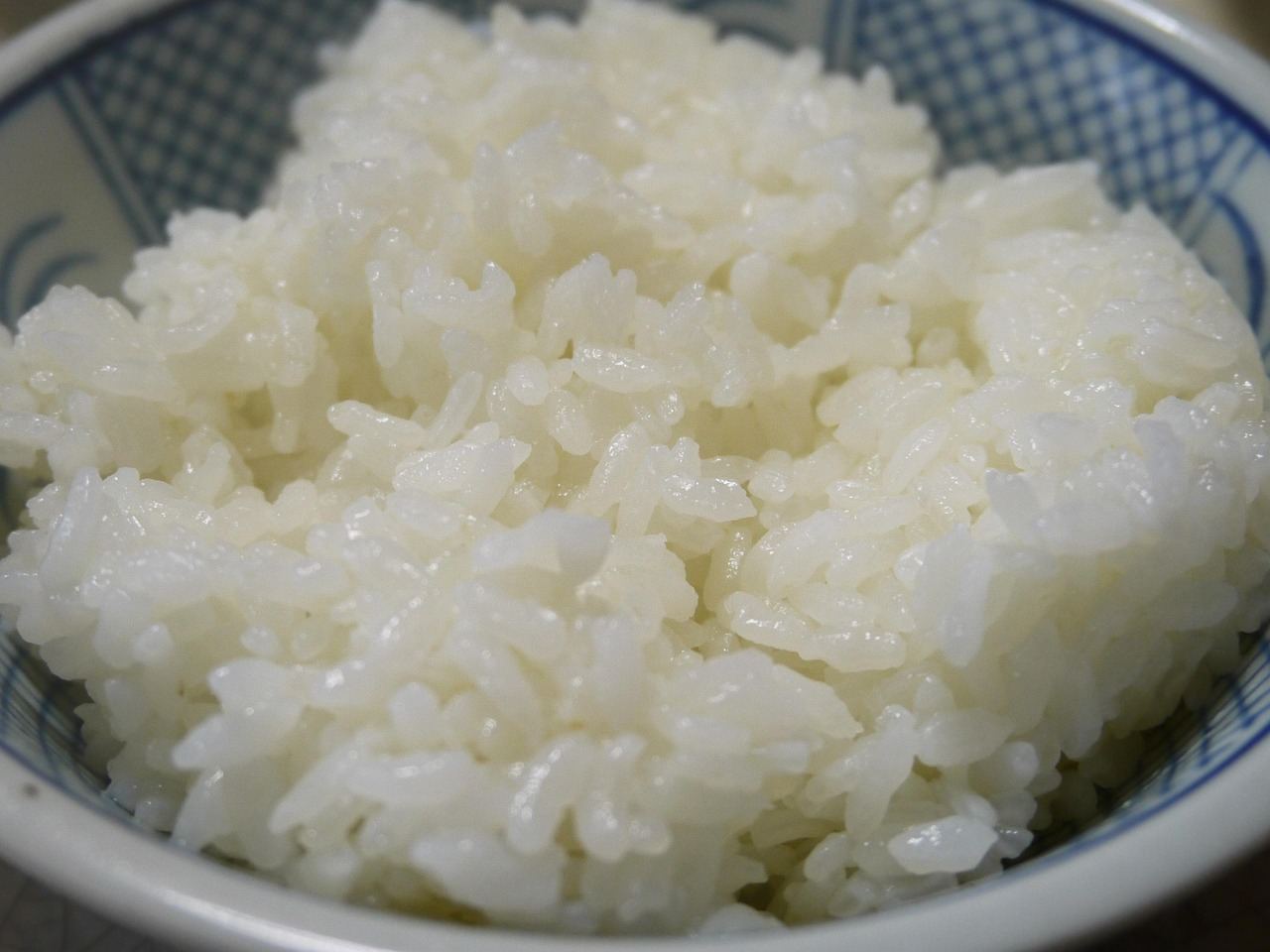
This coconut rice recipe cooks rice in coconut milk and water, then finishes it with a sizzling tempering of mustard seeds and curry leaves. The result is fragrant, lightly sweet, savory rice that goes with vegetables, dal or yogurt.
It belongs with the ayurvedic recipes collection on this site as an everyday grain dish, and the method below explains each step, the choices that change the result and how to store leftovers safely.
What coconut rice with curry leaves and mustard seeds is
Coconut rice appears in many South Indian home kitchens under names that vary by region. The shared idea is simple: plain rice is cooked with coconut, either as milk in the pot or as fresh or dried shreds stirred in at the end. A tadka, a tempering of whole spices fried briefly in hot fat, is poured over the top for aroma.
Mustard seeds and curry leaves give this version its character. Mustard seeds pop and turn nutty when they hit hot fat. Curry leaves, the small glossy leaves of the curry tree, add a savory, slightly citrusy fragrance that is difficult to replace. Neither has much flavor until it is fried, so the tempering step is the heart of the dish.
This site describes Ayurveda as a traditional system. NCCIH calls Ayurvedic medicine one of the world’s oldest medical systems and one of India’s traditional health care systems, and notes that Ayurvedic treatment combines products, diet, exercise and lifestyle. Coconut rice is simply a home-style meal from that broad culinary world. It is presented here as a recipe, with no promise about health.
Choosing the rice, coconut and fat
Long-grain white rice such as basmati cooks into separate, fluffy grains and is the easiest choice. Short-grain varieties turn soft and sticky, which some cooks prefer. Brown rice also works, but it needs more liquid and a longer cooking time, so follow the package directions for the grain chosen. The NHS points out that rice and grains, particularly brown and wholegrain varieties, can contain fibre and B vitamins.
For the coconut, a tin or carton of coconut milk gives the most reliable flavor. Full-fat milk makes a richer pot, and a lighter milk diluted a little with water makes a more delicate one. Unsweetened desiccated coconut can be toasted and sprinkled on top for texture.
For the tempering, ghee gives a buttery taste, while coconut oil or a neutral oil keeps the dish dairy-free. Any of them withstands the brief high heat needed to pop the seeds.
Ingredients
- Basmati or other long-grain rice, rinsed in several changes of water until the water runs nearly clear.
- Coconut milk, replacing part of the cooking water. Use the rice package as a guide to the total liquid needed.
- Water, to make up the remaining liquid.
- A pinch of salt.
- Ghee or coconut oil, for the tempering.
- Black mustard seeds, a small spoonful.
- A handful of fresh curry leaves, stripped from the stem.
- A few dried red chilies or a green chili, split lengthwise (optional).
- A small piece of fresh ginger, finely chopped (optional).
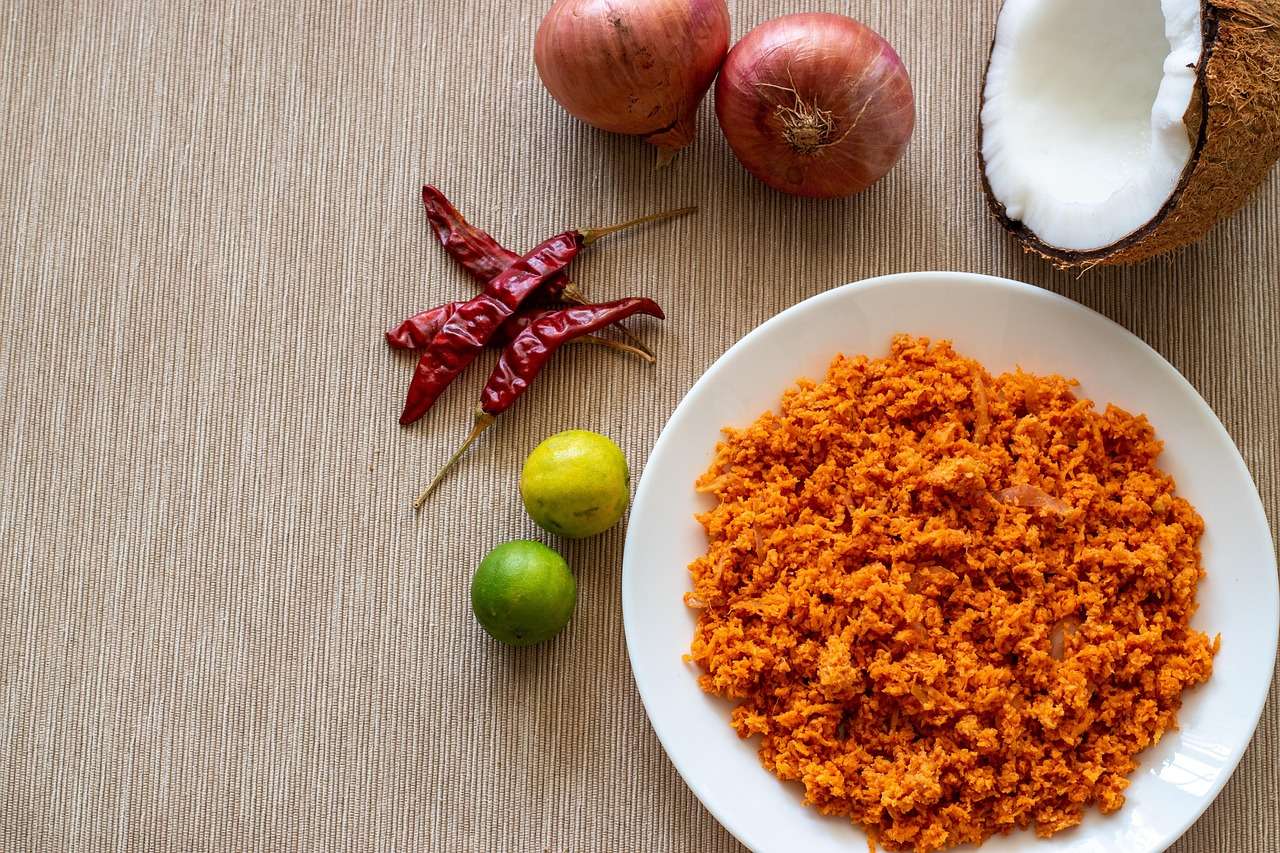
- Toasted shredded coconut or chopped cilantro, to finish.
Method: cooking the rice and making the tempering
- Rinse the rice until the water is nearly clear, then drain well. Rinsing removes surface starch and keeps the grains separate.
- Combine the rice, coconut milk, water and salt in a heavy saucepan. Stir once and bring to a boil over medium heat.
- As soon as the pot reaches a boil, lower the heat as far as it will go, cover tightly and cook until the liquid has been absorbed and the rice is tender. Do not lift the lid often, because steam escaping lengthens the cooking time.
- Turn off the heat and leave the pot covered so the grains finish steaming. Then fluff with a fork.
- While the rice rests, warm the ghee or oil in a small pan over medium heat. Add the mustard seeds and cover the pan loosely, because they pop and jump. Wait until the popping slows down.
- Add the curry leaves, chilies and ginger. Stand back slightly, as the leaves spit when they meet the hot fat. Fry just until the leaves are crisp and the chilies darken.
- Pour the whole tempering, fat and all, over the rice. Fold gently with a fork so the grains stay whole.
- Top with toasted shredded coconut or cilantro and serve warm.
Tips for better coconut rice
Coconut milk scorches more easily than water, so a heavy pot and low heat are important. If the base of the pan begins to smell toasted before the rice is done, add a splash of hot water and keep the lid on.
Fry the mustard seeds only in hot fat. Cold or lukewarm fat leaves them hard and bitter. If a few seeds fail to pop, they are still edible, but a burnt seed is acrid, so remove the pan from the heat the moment the seeds quiet down.
Fresh curry leaves are sold at many South Asian grocers and freeze well. Dried leaves have a much weaker flavor, so use extra and expect a subtler result.
For variations, stir in cooked peas, roasted peanuts or cashews, or a squeeze of lime juice just before serving. A handful of sautéed onion in the tempering gives a sweeter background. People who are allergic to nuts should leave out peanuts and cashews and check labels on any packaged coconut products.
Serving and pairing
Coconut rice is mild enough to sit beside spicy vegetable dishes and dal, and it also works as a main course with a simple salad and yogurt. A glass of spiced buttermilk is a traditional cooling companion at a meal like this, and a mug of fresh ginger tea makes a warm, caffeine-free finish afterward.
It travels well in lunchboxes, which makes it a practical candidate for batch cooking. Storage is where the main safety issue arises, as explained below.
Storing and reheating cooked rice safely
Cooked rice needs more care than many cooks expect. The NHS explains that the spores of some food poisoning bugs can survive cooking. If cooked rice or grains are left standing at room temperature, the spores can germinate, and the bacteria multiply and produce toxins that make you vomit and give you diarrhoea. The NHS states plainly that reheating food will not get rid of these toxins.
Its guidance is to serve rice and grains as soon as they have been cooked. If that is not possible, cool them within 1 hour of cooking and keep them refrigerated until reheating or using them in a recipe such as a salad. It also says any rice and grains left at room temperature overnight should be thrown away.
Coconut rice follows the same rule, because the added coconut milk and ghee do not make it safer. Spreading the rice in a shallow container helps it cool quickly. When reheating, heat it until it is steaming hot all the way through.
Anyone with a health condition, who is pregnant, or whose immune system is weakened should ask a clinician about food safety and diet, particularly before relying on leftovers.
Frequently asked questions
Can coconut rice be made with water only?
Yes. Without coconut milk the dish becomes a mustard and curry leaf rice. Stir in toasted shredded coconut at the end to keep a coconut flavor.
Why rinse the rice first?
Rinsing washes away loose surface starch, which otherwise makes the grains clump and turns the pot gummy.
What can replace curry leaves?
Nothing matches them exactly. Without them, the dish still works with mustard seeds, chili and ginger, but the aroma is milder.
Can the rice be made dairy-free?
Yes. Use coconut oil or a neutral oil for the tempering instead of ghee, and check that the coconut milk contains no added dairy.
How should leftover coconut rice be kept?
Cool it quickly, refrigerate it, and reheat it until steaming hot. Discard rice that has stood at room temperature overnight.